
Main Courses
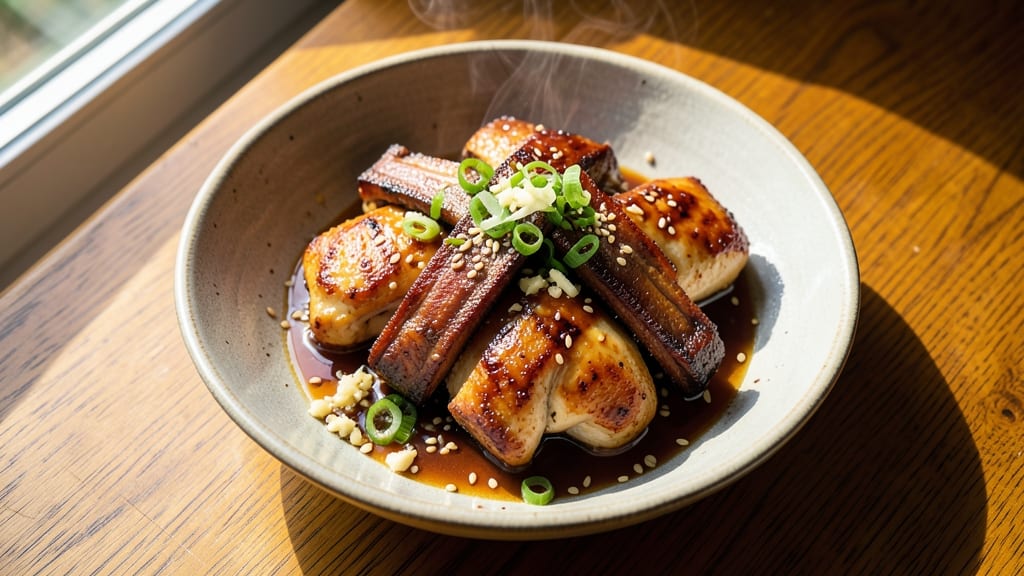
This chicken with rib meat recipe delivers a bold fusion of textures and flavors you won’t find in ordinary dishes—crispy edges on both proteins, juicy centers that practically melt in your mouth, and a sauce that ties everything together with perfect balance.
The secret lies in cooking the chicken and pork ribs side by side, ensuring they develop complementary textures while absorbing the same aromatic marinade. I perfected this technique during a weekend project where I wanted to showcase how two different proteins could shine together without overpowering each other.
The method is straightforward but precise: the chicken thighs stay tender and succulent, while the pork ribs develop a crispy bark that contrasts beautifully with their tender interior. A homemade glaze—sweet, smoky, and slightly tangy—binds the proteins together, creating a dish that’s rich yet balanced.
What makes this recipe stand out is the way the flavors meld during cooking, resulting in a meal that feels both hearty and refined. The sauce, made from a blend of soy, ginger, and a touch of honey, adds depth without overwhelming the natural taste of the meats.
By the time you plate this dish, you’ll have a presentation that’s as impressive as it is delicious—juicy chicken pieces arranged alongside crispy rib meat, all drizzled with that glossy glaze. The contrast in textures and the harmony of flavors make this a standout for dinner parties or family gatherings.
Serve it with steamed jasmine rice or roasted seasonal vegetables to complete the meal. Let’s get cooking—this fusion dish is worth every minute of effort.
This recipe scales beautifully for crowds, and leftovers reheat well for lunch the next day. The key to success? Don’t rush the cooking process—patience ensures the ribs stay crispy and the chicken remains juicy.
Trust the method, and you’ll have a restaurant-quality meal that feels entirely homemade. Here’s how to bring it to life.
Ingredients for chicken with rib meat
Two proteins, one pan, and a sauce that ties it all together—crispy edges, juicy centers, and flavors that sing.
| Ingredient | Amount | Notes |
|---|---|---|
| Chicken Thighs 🍗 | 1 ½ lb | Bone-in, skin-on preferred |
| Pork Rib Meat 🍖 | 1 ½ lb | Baby back or spare ribs |
| Extra-Virgin Olive Oil 🫒 | ½ cup | For high-heat searing |
| Soy Sauce 🍶 | ¼ cup | Low-sodium preferred |
| Honey 🍯 | ⅛ cup | Wildflower for depth |
| Fresh Ginger 🌿 | 2 tbsp | Finely grated, not powdered |
| Garlic Cloves 🧄 | 6 cloves | Minced for marinade |
| Brown Sugar 🍚 | ⅛ cup | Light or dark works |
| Smoked Paprika 🌶️ | 1 tbsp | For smoky depth |
| Kosher Salt 🧂 | 1 ½ tsp | For seasoning |
| Ground Black Pepper 🌶️ | 1 tsp | Freshly cracked |
| Rice Vinegar 🍶 | 1 tbsp | For tangy balance |
| Sesame Oil 🌿 | 1 tsp | For aroma finish |
| Fresh Cilantro 🌿 | ¼ cup | Chopped for garnish |
The chicken thighs and pork ribs are the stars here. Bone-in, skin-on chicken thighs stay juicy while the skin crisps beautifully. For the ribs, baby back or spare ribs work best—they’re tender enough to cook through without drying out. I grab mine from Costco when I’m doing a big batch, but any grocery store with a decent butcher section will have them. Look for ribs with good marbling—they’ll stay juicier during cooking. The chicken? Trader Joe’s often has the best prices on bone-in thighs, and they’re usually high-quality. If you’re buying a whole chicken, ask the butcher to cut them for you—it’s worth the extra minute to get even-sized pieces.
No soy sauce? Coconut aminos work in a pinch, though the flavor won’t be identical. Fresh ginger is non-negotiable—powdered ginger lacks the brightness this dish needs. Short on sesame oil? Toasted sesame seeds sprinkled at the end add a similar nutty aroma. The honey should be wildflower or clover—avoid the cheap grocery-store brands, trust me. For the glaze, if you’re in a hurry, store-bought hoisin sauce can replace the soy-honey-ginger combo, but you’ll lose some depth. And if you’re feeling fancy, swap the brown sugar for maple syrup—it adds a subtle floral note that pairs perfectly with the smoky ribs.
This dish reheats like a dream—just warm it in a skillet with a splash of water to keep everything moist. Keeps in the fridge for 4 days, freezes for 3 months if you portion it properly. I like to wrap individual servings in foil before freezing so they’re ready to reheat. The ribs and chicken can be prepped ahead, marinated, and stored separately in the fridge for up to 24 hours before cooking. Just let them sit at room temperature for 15 minutes before searing for even cooking. And if you’re making this for a crowd, double the sauce—it disappears fast!
Why You'll Love This Recipe
- Here’s what sold me: bone-in, skin-on chicken thighs and pork ribs stretch every dollar without sacrificing taste. The olive oil and honey feel fancy, but they’re used in just the right amounts—no waste, all flavor. And since it freezes for 3 months, I make double batches and thank myself later.
- One-Pan Magic: I swear by this—just one skillet, no extra dishes. The chicken thighs and pork ribs sear right alongside each other, and by the time you’re done, your kitchen looks cleaner than when you started. That’s 20 minutes of cooking, 5 minutes of cleanup.
- Sweet-Savory Bomb: Honestly, the combo of honey and soy sauce in that glaze? It’s like a flavor explosion. The smoky paprika and sesame oil add depth, while the ginger and garlic make every bite taste like it’s been simmering all day—even though it’s ready in under an hour.
- Weeknight Crowd-Pleaser: Between us, this is the dish I pull out when friends drop by unexpectedly. The ribs and chicken feed four easily, and the leftovers? They keep for 4 days in the fridge—perfect for lazy lunches or reheating for dinner. Plus, the marinade can sit overnight, so you’re basically cheating.
Step-by-step instructions for chicken with rib meat
Here's how to create perfectly balanced seared edges and tender centers using your ingredients.
Prepare the Marinade and Season the Meats
In a small bowl, combine the 0.25 cup soy sauce, 0.125 cup honey, 2 tbsp fresh ginger, 6 cloves garlic cloves (minced), 0.125 cup brown sugar, 1 tbsp smoked paprika, 1.5 tsp kosher salt, and 1 tsp ground black pepper. Whisk until the brown sugar dissolves completely. This marinade will tenderize the meats while adding depth of flavor.
Pat the 1.5 lb chicken thighs and 1.5 lb pork rib meat dry with paper towels—this step is crucial for crispy edges. Place both meats in a large resealable bag or shallow dish and pour the marinade over them. Make sure every surface is coated. Let them marinate at room temperature for 30 minutes or refrigerate for up to 4 hours if you're preparing ahead. The longer they marinate, the more flavorful they'll become.
Sear the Chicken and Pork Rib Meat
Heat a large skillet over medium-high heat and add 0.5 cup extra-virgin olive oil. Once the oil shimmers (about 2 minutes), carefully add the chicken thighs, skin-side down. Let them sear undisturbed for 4-5 minutes until the skin becomes golden brown and crispy. You'll see the fat render out, which is a good sign. Flip the chicken and cook for another 3-4 minutes until the internal temperature reaches 165°F. Remove the chicken and set it aside on a plate.
In the same skillet, add the pork rib meat in a single layer. Sear for 5-6 minutes per side, turning occasionally, until the edges are deeply browned and the internal temperature reaches 145°F. The pork should be slightly charred in spots but still juicy inside. Remove the pork and let it rest with the chicken. Don't skip this resting step—it allows the juices to redistribute, ensuring tender bites.
Create the Glazed Sauce
Return the skillet to medium heat and add 1 tbsp rice vinegar and 1 tsp sesame oil. Let it simmer for 1 minute to deglaze the pan, scraping up any browned bits from the bottom. These bits are packed with flavor and will form the base of your sauce. Reduce the heat to low and stir in the remaining 0.25 cup soy sauce from the marinade (if any was left behind). Simmer for 2-3 minutes until slightly reduced.
Add the 0.125 cup honey and 0.125 cup brown sugar to the pan. Stir continuously for 1-2 minutes until the mixture thickens and becomes glossy. The sauce should coat the back of a spoon but still be pourable. Taste and adjust the seasoning with a pinch more 1.5 tsp kosher salt or 1 tsp ground black pepper if needed. This glaze will add a perfect balance of sweet and savory to your dish.
Finish and Serve
Return the chicken thighs and pork rib meat to the skillet with the glaze. Spoon the sauce over the top and let it simmer together for 2-3 minutes until everything is heated through and coated in the glossy mixture. The residual heat will help the glaze stick to the meats, creating a delicious caramelized crust.
Transfer the chicken and pork to a serving platter. Garnish with 0.25 cup chopped fresh cilantro just before serving. The cilantro adds a bright, fresh contrast to the rich, savory flavors of the dish. Serve immediately while the edges are still crispy and the centers remain juicy. This dish pairs beautifully with steamed rice or roasted vegetables.
Pro Tips For Making Chicken With Rib Meat
- Don’t Rush the Sear: I used to flip the chicken at 3 minutes, thinking it was "done," but the skin stayed pale and rubbery. Let that first side sear until the skin pulls away from the meat—about 4-5 minutes—and you’ll get the crispy crust this dish needs. The pork ribs take longer; don’t rush them either, or you’ll end up with gray, tough edges.
- Grate That Ginger Fine: Fresh ginger is non-negotiable here, but I learned the hard way that chunky bits sit like little sandpaper in your mouth. Use a microplane or the smallest holes on a grater—you want it so fine it practically dissolves into the marinade. No one wants to chew through their glaze.
- Save the Browned Bits: That blackened crust stuck to your skillet? That’s flavor gold. Scrape it up with a wooden spoon while deglazing with rice vinegar—it’s the difference between a good sauce and a great one. If you skip this, you’re basically throwing away the best part of the dish.
- Rest Before Glazing: I know, you’re eager to eat, but if you toss the meat back in the pan too soon, all those juices will spill out when you cut into it. Give the chicken and ribs a solid 5-10 minutes under foil before finishing with the glaze. Trust me, your first bite will be juicier than if you skipped this.
Best sauces and condiments for chicken with rib meat
Glazed Sauce Perfection
The homemade glaze in this recipe—made with the remaining soy sauce, honey, brown sugar, and a touch of sesame oil—is where the magic happens. The key is balancing sweetness and umami while keeping the sauce glossy enough to cling to the meats.
I like to reduce it just until it coats the back of a spoon, ensuring it's thick enough to caramelize slightly when brushed on the hot proteins. 💫
Spicy Sesame Dip
For a bold contrast, serve this dish with a quick spicy sesame dip made from 2 tablespoons tahini, 1 tablespoon rice vinegar, 1 teaspoon sriracha, and 1 teaspoon honey. Whisk it together and drizzle over the top or serve on the side for dipping.
The nutty, tangy, and spicy notes cut through the richness of the chicken and ribs beautifully. I keep this on hand year-round—it’s a game-changer for any protein dish.
Garlic Butter Finish
If you want to elevate the dish further, finish it with a garlic butter sauce made from 2 tablespoons softened butter, 1 minced garlic clove, and a pinch of kosher salt.
Swirl it into the pan just before serving—it adds a luxurious, buttery richness that pairs perfectly with the crispy edges and juicy centers. This is especially nice if you’re serving the dish to guests who prefer a milder flavor profile.
Pickled Vegetable Accompaniment
Brighten the plate with quick-pickled vegetables like radishes, carrots, or daikon. Toss them with 1 tablespoon rice vinegar, 1 teaspoon sugar, and ½ teaspoon salt, then let them sit for 15 minutes before serving.
The acidity and crunch provide a refreshing contrast to the rich, caramelized meats. I often use this technique for summer dishes, but it works year-round.
Extra Glaze for Dipping
Don’t let any of that delicious glaze go to waste! Set aside a small portion of the sauce before finishing the dish and serve it warm in a small bowl for dipping.
The extra glaze adds another layer of flavor and lets everyone customize their bites. I’ve even seen people use it as a drizzle for rice or noodles—it’s that versatile. 🍜
Nutrition facts
Frequently asked questions
Can I substitute chicken thighs with chicken breasts?
Chicken breasts are leaner and cook faster than thighs, so they won’t develop the same crispy skin or juicy texture. For best results, stick with bone-in, skin-on thighs—the fat and connective tissue keep them tender while the skin crisps beautifully. If you must use breasts, pounder them to an even thickness and reduce cooking time by about 2 minutes per side.
How do I adjust the recipe for a slow cooker?
This dish isn’t ideal for a slow cooker because the chicken and ribs need high-heat searing for crispy edges. Instead, marinate the meats as directed, then sear them in a skillet before transferring to the slow cooker with the sauce. Cook on low for 2-3 hours until the chicken reaches 165°F and ribs 145°F. The texture will be more tender than crispy, but it’s a great option for busy days.
Why did my ribs turn out tough instead of tender?
Overcooking is the most common mistake—ribs should reach 145°F internally, not higher. Also, ensure you’re using baby back or spare ribs (not back ribs, which are tougher). Pat them dry before searing, and don’t skip the resting step—this lets juices redistribute. For extra tenderness, marinate overnight instead of just 30 minutes.
Can I make this dish ahead of time?
Prep the marinade and store the raw meats separately in the fridge for up to 24 hours. After cooking, let the dish cool completely, then refrigerate for up to 4 days or freeze for 3 months. Reheat gently in a skillet with a splash of water to keep everything moist. The flavors actually deepen overnight, making it perfect for meal prep.
What’s the best way to serve leftovers?
Leftovers reheat best in a skillet over medium-low heat with a little extra glaze or water to prevent drying. For a quick fix, wrap portions in foil and reheat in a 350°F oven for 10-15 minutes. Serve with steamed rice or noodles to soak up the extra sauce. The crispy edges will soften slightly, but the juicy centers stay intact.