
Main Courses
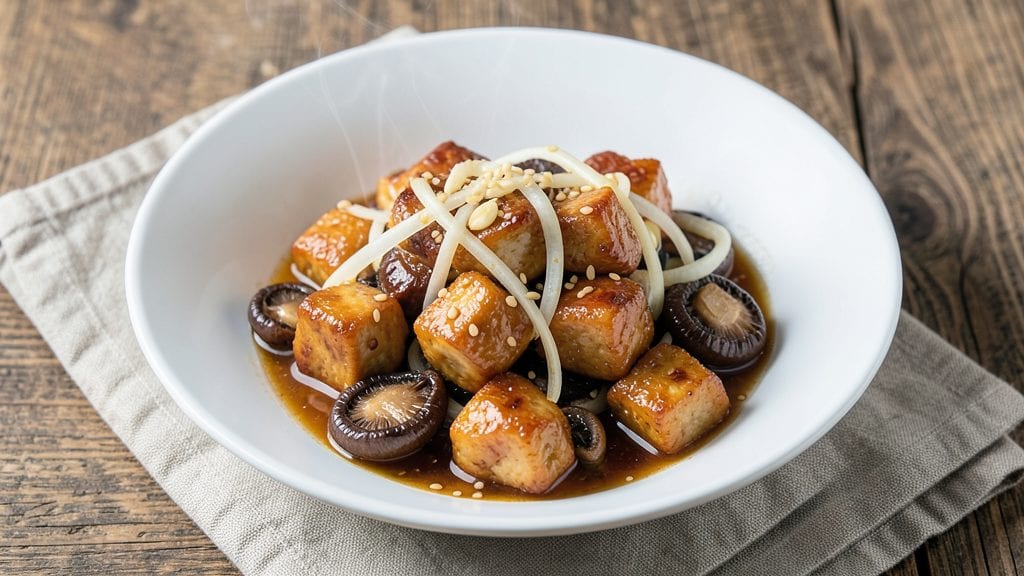
This copycat Panda Express mushroom chicken recipe brings home the beloved crispy, tender bites and that signature rich, savory sauce. This copycat recipe combines precise protein preparation with a foolproof sauce technique that ensures restaurant-quality results every time.
The secret lies in marinating the chicken properly and achieving that perfect balance of crispy edges and juicy centers.
What sets this recipe apart is the authentic sauce—thick, aromatic, and packed with umami from mushrooms and soy. I developed this method after years of perfecting Asian-inspired dishes, ensuring the sauce clings perfectly to the chicken without overwhelming its natural flavor.
The process is straightforward but requires attention to detail, particularly when it comes to emulsifying the sauce for that signature consistency.
By the time you're done, you'll have golden-brown chicken pieces with crispy edges and tender, juicy meat inside, all coated in that familiar, flavorful sauce. The dish is hearty enough to serve as a main course but works equally well as part of a larger spread.
Whether you're hosting a dinner party or craving takeout flavors at home, this recipe delivers the real deal.
Pair it with steamed rice or egg fried rice for the full Panda Express experience. The combination of textures and flavors creates a satisfying meal that's impossible to resist. Let's get started on bringing this classic to your kitchen.
Ingredients for copycat panda express mushroom chicken
Pantry staples meet Asian market finds for restaurant-quality mushroom chicken at home.
| Ingredient | Amount | Notes |
|---|---|---|
| Boneless Chicken Breast 🍗 | 1 ½ lb | Cut into 1-inch cubes |
| Shiitake Mushrooms 🍄 | 8 oz | Fresh, sliced thin |
| White Onion 🧅 | 1 whole | Medium, Diced, about 1 cup |
| Garlic Cloves 🧄 | 6 cloves | Minced finely |
| Soy Sauce 🥢 | ½ cup | High-quality, like Kikkoman |
| Sesame Oil 🫒 | 1 tbsp | Toasted, not flavored |
| Oyster Sauce 🍜 | 2 tbsp | Lee Kum Kee preferred |
| Honey 🍯 | 2 tbsp | Pure, mild variety |
| Cornstarch 🌾 | 1 tbsp | For sauce thickening |
| Vegetable Oil 🫒 | ½ cup | For frying chicken |
| All-Purpose Flour 🌾 | ½ cup | For dredging chicken |
| Salt 🧂 | 1 tsp | Kosher or sea salt |
| Black Pepper 🌶️ | ½ tsp | Freshly ground |
| Sesame Seeds 🌱 | 1 tbsp | Toasted, for garnish |
| Green Onions 🧅 | 3 whole | Sliced thin, for garnish |
The mushrooms make or break this dish. Shiitake delivers that signature umami depth—fresh is ideal, but dried mushrooms rehydrated in soy sauce work in a pinch. For the best texture, slice them thinly before cooking. Asian grocery stores usually carry fresh shiitake, but most supermarkets stock them too. Look for plump, firm caps with no sliminess. The chicken should be boneless, skinless breast—cut into even 1-inch cubes for consistent cooking. Pounding the cubes slightly ensures even crispiness, but it's not mandatory if you're in a hurry.
No sesame oil? Toasted peanut oil works similarly, though the flavor will differ slightly. The Kikkoman soy sauce is a standard, but any high-quality brand with no added sugar will do. For the sauce, cornstarch is key to achieving that signature thickness—arrowroot powder works too at the same ratio. If you can't find Lee Kum Kee oyster sauce, Hoisin sauce with a splash of soy mimics the flavor profile. The honey adds just enough sweetness to balance the savory elements, so don't skip it. For extra authenticity, toast your sesame seeds in a dry pan for 30 seconds before garnishing—they'll release their aroma instantly.
This dish reheats beautifully, but the sauce can separate. To prevent that, stir in a splash of water or chicken broth when reheating. Store leftovers in an airtight container in the fridge for up to 4 days. For longer storage, freeze the chicken and sauce separately for up to 3 months. The sauce freezes well, but it may thicken further—thin with a bit of water when reheating. Garnish with fresh green onions and sesame seeds just before serving to keep everything vibrant. Pair with steamed jasmine rice to complete the meal.
Why You'll Love This Recipe
- The secret’s in that sauce: ½ cup soy sauce, 2 tbsp oyster sauce, and 2 tbsp honey all working together. I’ll be real—it’s not just sweet, it’s umami magic. The cornstarch slurry gives it that glossy cling you crave, and the shiitake mushrooms add depth. Each bite’s a perfect harmony of flavors.
- No-Fry-Fail Crispiness: Honestly, getting that perfect golden crust on the chicken was my biggest worry—until I tried this flour-and-oil method. The ½ cup vegetable oil at 350°F does all the work, and those 4-5 minutes in batches? Game-changer. No soggy chicken here—just that restaurant-worthy crunch every time.
- Sweet-Savory Balance Nailed: The secret’s in that sauce: ½ cup soy sauce, 2 tbsp oyster sauce, and 2 tbsp honey all working together. I’ll be real—it’s not just sweet, it’s umami magic. The cornstarch slurry gives it that glossy cling you crave, and the shiitake mushrooms add depth. Each bite’s a perfect harmony of flavors.
- Double as Leftovers: I always make this for dinner, but the next day? It’s lunch. The chicken keeps its crispiness for up to 4 days in the fridge—just reheat gently. And if you’re prepping ahead, freeze the chicken and sauce separately for up to 3 months. Zero waste, zero stress.
Step-by-step instructions for copycat Panda Express mushroom chicken
Here's the exact method to recreate that signature restaurant combination at home.
Prepare the Chicken for Crispy Perfection
Cut the 1½ lb boneless chicken breast into 1-inch cubes—uniform size ensures even cooking. In a medium bowl, combine the ½ cup all-purpose flour, 1 tsp salt, and ½ tsp black pepper. Add the chicken cubes and toss gently until fully coated. Let them sit for 5 minutes while you heat the oil.
This flour coating creates the crispy exterior that's key to the restaurant version. Don't skip the resting time—it helps the coating adhere properly. Meanwhile, pour ½ cup vegetable oil into a deep skillet or Dutch oven and heat over medium-high heat until it reaches 350°F. Use a thermometer for accuracy—the oil should shimmer but not smoke when a wooden chopstick is inserted.
Fry the Chicken Until Golden and Tender
Carefully add the floured chicken cubes to the hot oil in batches, leaving space between them to prevent crowding. Fry for 4-5 minutes per batch until the chicken is golden brown and reaches an internal temperature of 165°F. Use a meat thermometer to check—this ensures perfect doneness without overcooking.
Transfer the fried chicken to a paper towel-lined plate to drain excess oil. Here's the thing—don't let the chicken sit too long or it'll lose its crispiness. Keep it warm in a 200°F oven while you prepare the sauce. The chicken should be tender enough to cut with a fork but still hold its shape.
Sauté the Mushroom and Onion Base
In the same skillet (no need to clean it—the browned bits add flavor), heat 1 tbsp sesame oil over medium heat. Add the 8 oz sliced shiitake mushrooms and 1 diced white onion, cooking for 5-6 minutes until the mushrooms soften and the onions become translucent. Stir occasionally to prevent burning.
Add the 6 minced garlic cloves and cook for 30 seconds until fragrant. This step develops the savory foundation of the sauce. If the mushrooms release too much liquid, let it evaporate completely before proceeding—you want a dry pan for the next step.
Make the Signature Sauce
Reduce heat to medium-low and stir in the ½ cup soy sauce, 2 tbsp oyster sauce, and 2 tbsp honey. Let the mixture simmer for 3-4 minutes until it thickens slightly. In a small bowl, whisk together 1 tbsp cornstarch with 2 tablespoons water to create a slurry.
Slowly pour the cornstarch slurry into the sauce while stirring constantly. The sauce will thicken dramatically within 1-2 minutes—this is what gives the restaurant version its glossy, clingy texture. If the sauce is too thick, add 1 teaspoon water at a time until it reaches a smooth, pourable consistency.
Combine and Garnish for Restaurant Quality
Return the fried chicken to the skillet with the sauce and toss gently to coat evenly. Cook for 1-2 minutes until the sauce clings to the chicken. The chicken should be fully coated with the glossy sauce—this is your signal that it's ready to serve.
Transfer to a serving platter and garnish with 1 tbsp toasted sesame seeds and 3 sliced green onions. Serve immediately with steamed rice—each bite should deliver crispy, tender chicken with that signature sweet-savory sauce. The sesame seeds add texture contrast while the green onions provide freshness to cut through the richness.
Pro Tips For Making Copycat Panda Express Mushroom Chicken
- Use a Thermometer for Oil: I learned this the hard way—guessing oil temp leads to greasy chicken or burnt flour. Hit 350°F exactly (use a candy or deep-fry thermometer) so the chicken crisps without turning into a soggy mess. That shimmer test works, but don’t trust your eyes if you’re new to this.
- Slice Mushrooms Uniformly: Thin, even slices cook faster and absorb sauce better than thick, inconsistent ones. Aim for 1/8-inch cuts—this prevents some mushrooms from turning rubbery while others stay crunchy. A mandoline makes this easier, but a sharp knife works if you’re patient.
- Keep Chicken Warm, Not Dry: That 200°F oven isn’t just for show—it’s the only way to keep fried chicken crispy while you finish the sauce. If you’re tempted to rush, cover the plate loosely with foil (not airtight) to trap heat without steaming the coating.
- Toast Sesame Seeds Fresh: Store-bought toasted sesame seeds taste stale compared to toasting 1 tbsp yourself in a dry skillet over medium heat for 30 seconds until fragrant. They’ll add real crunch and aroma—worth the extra 30 seconds before garnishing.
Wine and beer pairings for copycat panda express mushroom chicken
Crisp White Wine Pairings
The bright acidity of a Sauvignon Blanc from New Zealand cuts through the richness of the mushroom sauce and fried chicken beautifully. Look for a Maritime or Cloudy Bay—their citrus and herbal notes refresh your palate between bites.
The acidity balances the umami from the soy and oyster sauce, making each mouthful feel balanced and refreshing. 🍷
Rich Red Wine Options
For those who prefer red, a Pinot Noir from Oregon’s Willamette Valley works surprisingly well. The lighter body and red fruit flavors complement the dish without overpowering it.
I particularly like Domaine Serene—its earthy notes harmonize with the mushrooms while the cherry undertones echo the sweetness of the honey in the sauce.
Asian-Inspired Beer Choices
If you’re craving beer, a Japanese sake or a Japanese-style lager like Asahi Super Dry adds a subtle crispness that enhances the dish’s flavors. For craft beer lovers, a hoppy IPA like Deschutes The Abyss provides a refreshing contrast to the savory chicken.
The citrusy finish cleanses your palate between bites, making the dish feel even more vibrant.
Sweet & Savory Pairing
A Chinese rice wine like Shaoxing wine (used in the sauce) pairs surprisingly well when sipped alongside the dish. Its nutty, slightly sweet profile mirrors the honey in the sauce while adding complexity.
If you’re not familiar with rice wine, a dry Riesling from Germany offers a similar balance of sweetness and acidity. 🍶
Unexpected But Delicious
Believe it or not, a lightly sparkling rosé from Provence makes an excellent pairing. The bubbles and floral notes provide a refreshing contrast to the crispy chicken and rich sauce.
I’ve even had success with a crisp Belgian witbier like Hoegaarden—its coriander and citrus notes complement the dish’s savory-sweet profile perfectly.
Nutrition facts
Frequently asked questions
Why does the chicken need to rest after coating?
The 5-minute rest lets the flour coating fully adhere to the chicken, creating that signature crispy exterior. Without this step, the coating can fall off during frying, leaving you with soggy chicken instead of the perfect golden-brown bites. This is a key technique for achieving that authentic Panda Express texture!
What if I don't have a meat thermometer?
You can still check for doneness by cutting into a piece of chicken—it should be opaque and no longer pink inside. For the oil temperature, use a wooden chopstick: if it sizzles and shimmers when inserted, your oil is ready at 350°F. This method works just as well for the restaurant-quality result!
Can I make the sauce ahead of time?
Yes, but store it separately from the chicken. The sauce keeps well in the fridge for 3-4 days and freezes beautifully for up to 3 months. When ready to serve, just reheat it gently and toss with the chicken—it'll cling perfectly to those crispy bites!
What's the best way to reheat leftovers?
Reheat gently in a skillet over medium-low heat, adding a splash of water or chicken broth if the sauce thickens too much. Avoid microwaving—it can make the chicken dry and the sauce separate. The key is to keep it warm and moist for that perfect texture!