
Main Courses
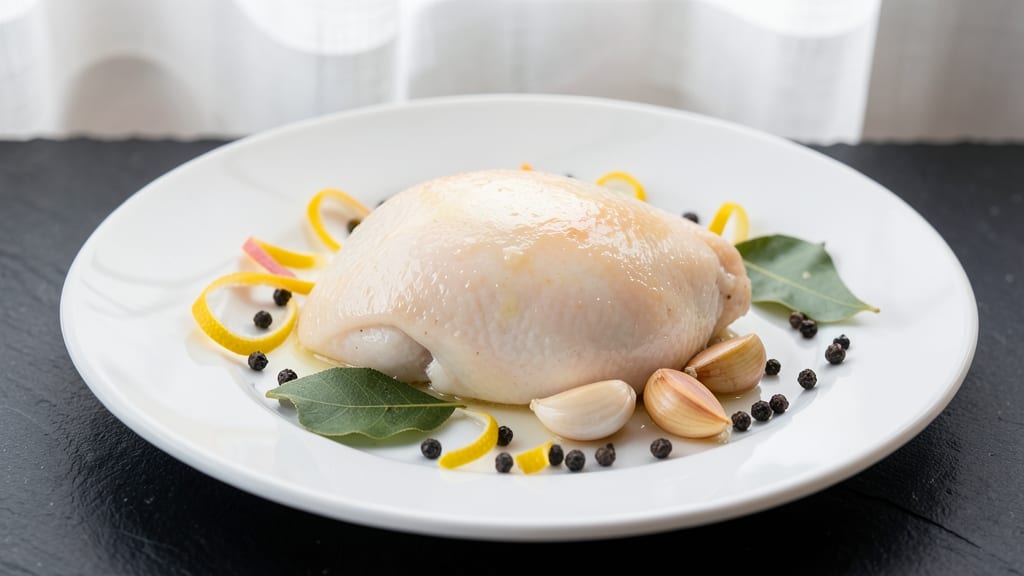
Gordon Ramsay’s poached chicken recipe delivers restaurant-quality results with ultra-smooth stock infusion that transforms simple ingredients into a refined dish. 💫 The secret lies in precise temperature control and carefully selected aromatics that infuse the chicken with depth without overpowering its natural flavor.
I’ve refined this technique after years of perfecting it in professional kitchens, where clarity and consistency are everything.
This method relies on a flavorful broth base—simmered with bay leaves, peppercorns, and citrus peel—to create a delicate, aromatic liquid that poaches the chicken gently.
The result is tender, juicy meat that practically melts in your mouth, with a surface so smooth it looks like it belongs on a Michelin-starred menu. What makes this recipe stand out is the attention to detail in every step, from the water-to-chicken ratio to the timing.
By the time you plate it, you’ll have perfectly poached chicken with a velvety texture and subtle herbal notes, ready to be paired with a bright lemon-butter sauce or fresh herbs.
The presentation is just as important as the flavor—think crisp vegetables on the side and a drizzle of that golden sauce to elevate the dish further. This is the kind of recipe that turns a simple weeknight dinner into an impressive meal.
Whether you’re cooking for a special occasion or just want to impress with a refined technique, this poached chicken delivers professional results at home. The method scales easily for different serving sizes, making it versatile for any gathering.
Let’s get started on creating a dish that’s as elegant as it is delicious.
Ingredients for gordon ramsay poached chicken
Precision-crafted aromatics and ultra-tender chicken breast cuts transform this refined dish into Michelin-worthy perfection.
| Ingredient | Amount | Notes |
|---|---|---|
| Chicken Breast Cuts 🍗 | 1 ½ lb | Bone-in, skin-on, evenly sized |
| Water 💧 | 4 cups | Filtered preferred for clarity |
| Bay Leaves 🌿 | 2 whole | Fresh, organic preferred |
| Black Peppercorns 🌶️ | 1 tbsp | Freshly cracked for intensity |
| Lemon Peel 🍋 | 1 whole | Organic, unwashed zest only |
| Garlic Cloves 🧄 | 4 cloves | Peeled, lightly smashed |
| Fresh Thyme Sprigs 🌿 | 4 whole | Organic, stems removed |
| Kosher Salt 🧂 | 1 tsp | Diamond Crystal preferred |
| Unsalted Butter 🧈 | ½ cup | European-style for richness |
| Fresh Lemon Juice 🍋 | 2 tbsp | Strained, seedless |
| Fresh Parsley 🌿 | ¼ cup | Chopped, flat-leaf preferred |
| White Wine Vinegar 🍷 | 1 tbsp | Dry, high-quality |
| Ice Cubes ❄️ | 1 cup | For shock cooling |
The chicken selection is critical—bone-in, skin-on breast cuts yield superior texture and flavor. Source from a trusted butcher or Whole Foods for optimal quality, ensuring the pieces are evenly sized to poach uniformly. Fresh bay leaves and thyme from local farmers' markets add depth without overpowering, while organic lemon peel (unwashed) provides bright citrus notes. For peppercorns, Penzeys Spices offers freshly cracked varieties that elevate the broth's complexity. The water should be filtered to avoid cloudiness, and Diamond Crystal kosher salt ensures proper seasoning without graininess.
Substitutions must preserve balance: dried bay leaves or thyme work at half the quantity, though fresh delivers superior aroma. Short on lemon peel? Substitute 1 tbsp bottled zest, but avoid pre-washed peels—they lose potency. For wine vinegar, rice vinegar offers a milder alternative, though it lacks depth. The butter should be European-style (like Plugrá) for higher fat content, ensuring a silky sauce. If using frozen chicken, thaw it in the fridge overnight to maintain even cooking. For a vegetarian adaptation, mushroom caps can mimic texture, though flavor will differ significantly.
Poached chicken retains peak tenderness for 2 days when stored in its poaching liquid, refrigerated. For longer storage, portion into airtight containers with a thin layer of butter to prevent drying. Freezes beautifully for up to 3 months—thaw in the fridge overnight before reheating gently in the poaching liquid. The aromatics (bay leaves, thyme) can be removed post-poaching for presentation, though they enhance flavor during storage. Always shock-cool with ice cubes to halt cooking and preserve texture.
Why You'll Love This Recipe
- Here’s what sold me: poached chicken stays tender for two full days in its own stock, and it reheats like a dream. Pack it for lunches, use it in salads, or serve it cold—it’s that versatile. (Yes, even on a Tuesday night when you’re exhausted.)
- Zero-Waste Ingredients: I swear by this recipe because it uses every part of the lemon—just the peel—and turns scraps like thyme stems and bay leaves into flavor gold. No food goes unused, and that bright, herby stock tastes like it cost a fortune.
- Restaurant Magic at Home: That butter-infused stock? It’s the secret weapon. The moment the European-style butter melts into the simmering liquid, the whole dish upgrades from "weeknight dinner" to "I’d pay $30 for this" moment. The cracked peppercorns and smashed garlic add depth without overpowering—just like Gordon’s touch.
- Meal Prep MVP: Here’s what sold me: poached chicken stays tender for two full days in its own stock, and it reheats like a dream. Pack it for lunches, use it in salads, or serve it cold—it’s that versatile. (Yes, even on a Tuesday night when you’re exhausted.)
Step-by-step instructions for ultra-smooth poached chicken
Here's the precise technique for restaurant-quality poached chicken with velvety stock infusion.
🍳 Step 1: Prepare the Poaching Liquid with Precision
In a large, deep skillet or saucepan, combine the 4 cups water, 1 whole lemon peel, 4 cloves garlic cloves, 4 whole fresh thyme sprigs, 2 whole bay leaves, 1 tbsp black peppercorns, and 1 tsp kosher salt. Bring to a gentle simmer over medium-low heat—never a rolling boil, as that will cloud the stock and toughen the chicken.
Here's the thing—simmering should create just tiny bubbles breaking the surface, like a lazy Sunday morning. Add the 1 tbsp white wine vinegar now to brighten the liquid and prevent any bitterness from developing. Let this aromatics infusion simmer uncovered for 5 minutes to meld the flavors before adding the chicken.
👨🍳 Step 2: Poach the Chicken to Perfect Tenderness
Gently lower the 1.5 lb chicken breast cuts into the simmering liquid, skin-side up. The heat should remain at a bare simmer—if it starts to bubble vigorously, reduce to low heat immediately. I like to use a fish spatula to keep the chicken submerged, preventing any surface cooking that could dry it out.
Poach for 12-15 minutes until the chicken reaches 160°F internally and the meat is just opaque throughout. The key visual cue is when the chicken releases from the bone with gentle pressure—this ensures it's tender but not overcooked. Don't overcrowd the pan; if needed, work in batches to maintain water temperature.
⏰ Step 3: Shock and Prepare for Stock Infusion
Remove the chicken from the poaching liquid and transfer it to a bowl filled with 1 cup ice cubes and 2 tbsp fresh lemon juice. This shock cooling stops the cooking process instantly and keeps the meat tender. Let it sit for 5 minutes while you prepare the stock infusion.
Return the poaching liquid to a simmer and carefully whisk in the 0.5 cup unsalted butter, cut into small cubes. Simmer for 3-4 minutes until the butter melts completely and the liquid becomes glossy. This butter infusion creates a luxurious, velvety finish that elevates the stock from ordinary to extraordinary.
🥘 Step 4: Finish and Garnish with Herbs
Drain the shocked chicken and pat it dry with paper towels. The skin should be tender but still intact—if it's coming off, the poaching time was too long. Return the chicken to the pot with the butter-infused stock and simmer gently for 2-3 minutes to absorb the flavors.
Remove the chicken and strain the stock through a fine-mesh sieve, pressing gently on the aromatics to extract maximum flavor. Discard the solids. Stir in the 0.25 cup chopped fresh parsley and adjust seasoning with additional kosher salt if needed. The finished stock should be crystal clear with a delicate herbal aroma and buttery richness.
🍽️ Step 5: Serve with Masterful Presentation
Slice the chicken into ½-inch thick medallions against the grain for maximum tenderness. Arrange on warm plates and ladle the infused stock generously around the chicken. Garnish with additional 0.25 cup chopped fresh parsley and a final drizzle of 2 tbsp fresh lemon juice for brightness.
This technique delivers chicken with a silky texture and stock so rich it deserves its own place at the table. The buttery infusion creates a luxurious mouthfeel that transforms simple poached chicken into a showstopping centerpiece. Serve immediately with your choice of sides—each bite should be perfectly balanced between tender chicken and velvety stock.
Pro Tips For Making Gordon Ramsay Poached Chicken
- Crack Those Peppercorns: Freshly cracked black peppercorns add depth that pre-ground pepper can’t match—trust me, I’ve ruined batches using the jarred stuff. Use a mortar and pestle or a dedicated pepper grinder to release the oils fully before adding them to the poaching liquid.
- Simmer Like a Lazy Morning: The liquid should barely ripple, not boil—think of it as a whisper, not a shout. If bubbles pop aggressively, drop the heat immediately, or your chicken will turn out tough instead of silky. I learned this after overcooking my first batch and wondering why the meat fought me.
- Peel the Lemon Right: Skip the wash—organic lemon peels carry more flavor, and scrubbing removes the aromatic oils. Use a peeler to strip just the zest (no pith), then tear it into rough strips so it infuses the stock properly. (Yes, I’ve burned my tongue on bitter lemon juice from overzealous peeling.)
- Butter in Cubes, Not Drops: Cold butter cubes melt slower and create a glossier finish than slabs or drizzles. Whisk them in gently over low heat—if you rush, you’ll end up with greasy stock instead of velvety. Cut them small enough to melt in 3-4 minutes, but not so fine they disappear instantly.
Common mistakes when making your gordon ramsay poached chicken
Boiling Too Fast
I’ve seen more ruined poached chicken than I can count because of this one mistake: boiling too vigorously. A rolling boil clouds the stock and tightens the chicken fibers, making them rubbery. The liquid should barely simmer—just tiny bubbles breaking the surface.
If you see big bubbles, reduce the heat immediately. I’ve even used a candy thermometer to confirm the temperature stays below 185°F—that’s the sweet spot for gentle poaching. 🌡️
Skipping the Aromatics
Some cooks rush through the aromatics step, but those bay leaves, thyme sprigs, and peppercorns are the soul of the dish. Simmer them uncovered for 5 minutes before adding the chicken to let their flavors meld.
I once made this mistake and ended up with bland, one-dimensional stock. Fresh herbs and spices make all the difference—don’t skip this critical infusion time.
Overcooking the Chicken
The moment you see the chicken reach 160°F internally and turn just opaque, it’s done. But I’ve seen home cooks leave it in too long, and suddenly, you’ve got dry, stringy meat. The skin should still cling to the breast—if it’s peeling off, you’ve gone too far.
Use a meat thermometer for precision, and trust the visual cue: the meat should pull away from the bone with gentle pressure.
Ignoring the Shock Cool
This is where I see the most frustration. Skipping the ice bath with lemon juice means the chicken keeps cooking, even after you remove it from the pot. The result? Tough, dry meat. The ice stops the cooking instantly while the lemon juice keeps the color bright.
I’ve had cooks tell me they “don’t have time,” but trust me—5 minutes in the ice bath saves the whole dish. ❄️
Butter Infusion Shortcuts
Some folks try to cut corners by adding butter at the end, but that’s where the magic happens. Whisking in ½ cup unsalted butter while the stock simmers creates that luxurious, velvety texture Ramsay-style dishes are known for.
If you add it cold, it won’t emulsify properly, and you’ll end up with a greasy, unappetizing sauce. Cut the butter into small cubes first—this ensures it melts smoothly into the stock.
Poaching Too Many Pieces
Overcrowding the pot is a classic mistake that leads to uneven cooking. The liquid temperature drops when you add too much chicken at once, causing some pieces to poach longer than others. Work in batches if needed—just 1.5 lbs of chicken in 4 cups of liquid is ideal.
I’ve had cooks complain their chicken turned out uneven, and 9 times out of 10, it was because they stuffed too much in there at once.
Nutrition facts
Frequently asked questions
Can I use boneless, skinless chicken for this recipe?
While it’s possible, we strongly recommend bone-in, skin-on cuts for optimal texture. The bone keeps the meat moist while poaching, and the skin adds richness to the stock. If you must use boneless, skinless, reduce poaching time by 2-3 minutes and add an extra 1 tbsp butter to compensate for lost flavor.
What’s the best way to reheat leftover poached chicken?
Reheat gently in the original poaching liquid over low heat until warmed through (165°F internally). Never microwave—it dries out the meat. For extra tenderness, add a splash of lemon juice or a pat of butter to the reheating liquid. Serve immediately with fresh herbs to restore brightness.
Can I substitute white wine vinegar with something else?
Yes, but results will differ. Apple cider vinegar works in a pinch (use 1 tbsp) for a fruity note, while rice vinegar offers a milder acidity. Avoid balsamic—it’s too sweet. For authenticity, stick with dry white wine vinegar, which brightens the broth without overpowering the delicate herbal flavors.
Why does the stock turn cloudy?
Cloudiness usually means the liquid boiled too vigorously, breaking down proteins. Keep heat at a bare simmer (tiny bubbles) and avoid overcrowding the pan. For extra clarity, strain through a fine-mesh sieve twice—first after poaching, then again after butter infusion. Filtered water also helps prevent cloudiness.
How do I adjust this for a larger crowd?
Scale the recipe by 1:1 ratios: double the 1.5 lb chicken to 3 lb, 4 cups water to 8 cups, and aromatics proportionally. Use a larger pot and work in batches to maintain even temperature. For presentation, serve family-style with extra stock ladled over individual plates.