
Main Courses
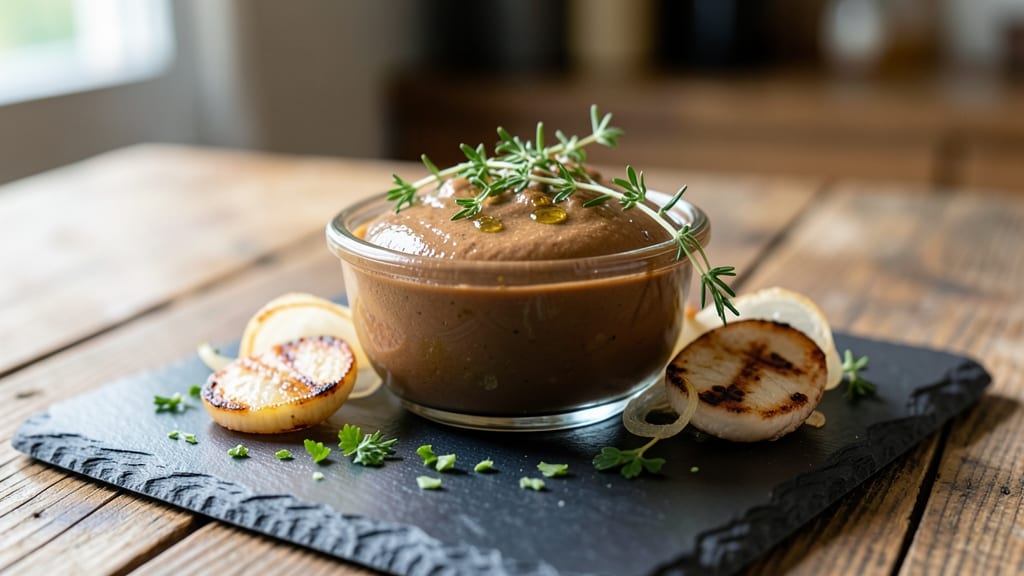
There’s nothing quite like the joy of cooking a perfect chicken liver pâté recipe—where rich, velvety offal transforms into a herb-infused masterpiece that steals every gathering. cut into something extraordinary.
This isn't just a recipe; it's a lesson in texture and flavor balance that will impress even the most discerning guests.
The process begins with carefully trimming and poaching the livers in aromatic broth, then blending them with rendered fat until silky smooth. Fresh herbs like thyme and parsley add depth without overpowering, while a touch of brandy or cognac lifts the flavors to new heights.
What makes this pâté special is its versatility—serve it chilled with crusty bread, as a sophisticated appetizer, or even as a filling for delicate pastries.
By the time you're done, you'll have a spread so rich and flavorful it becomes the centerpiece of any meal. The secret? Precision in cooking temperatures and patience in blending—no shortcuts here, just restaurant-quality results at home.
This is the kind of dish that turns a simple gathering into an unforgettable culinary experience.
Perfect for holiday menus, dinner parties, or even a special weeknight treat, this pâté proves that offal can be luxurious. The technique is straightforward once you understand the fundamentals, and the reward is a spread that tastes like it belongs in a five-star restaurant.
Let's get started on creating something truly special.
Ingredients for joy of cooking chicken liver pate
Rich offal, aromatic herbs, and velvety fat—this pâté transforms humble livers into a luxurious spread.
| Ingredient | Amount | Notes |
|---|---|---|
| Fresh Chicken Livers 🍗 | 1 ¼ lb | Trimmed of connective tissue |
| Unsalted Butter 🧈 | ¾ cup | Cold, cubed for rendering |
| Chicken Stock 💧 | 2 cups | Homemade preferred, low-sodium |
| Fresh Thyme 🌿 | ¼ cup | Leaves only, finely chopped |
| Fresh Parsley 🌿 | ¼ cup | Flat-leaf, finely chopped |
| Shallots 🧅 | 3 whole | Mince finely, about 2 tbsp |
| Brandy or Cognac 🍷 | 2 tbsp | High-quality, 80 proof |
| Heavy Cream 🥛 | ¼ cup | Full-fat for richness |
| Diamond Crystal Kosher Salt 🧂 | ½ tsp | Adjust to taste |
| Freshly Ground Black Pepper 🌶️ | ¼ tsp | Coarsely ground |
| Garlic Cloves 🧄 | 2 cloves | Peeled, minced |
| Cold Water 💧 | ¼ cup | For ice bath |
| Lemon Zest 🍋 | 1 tsp | From organic lemon |
The quality of your chicken livers is non-negotiable—look for bright red, firm livers from a trusted butcher or specialty grocer like Whole Foods or D'Artagnan. Trim away any connective tissue or discolored spots immediately, as these can make the pâté bitter. For rendering fat, unsalted butter is ideal—it adds richness without overpowering. If you can't find fresh livers, high-quality frozen livers (thawed overnight in the fridge) work in a pinch, but fresh is always superior. The shallots should be vibrant and firm; yellowing indicates age. Penzeys Spices carries excellent dried options if you need to supplement fresh herbs, though fresh thyme and parsley are essential for that bright herbal depth the pâté is known for.
No brandy? High-quality vodka or even a splash of dry sherry will elevate the flavors, though brandy’s caramel notes are irreplaceable. If you’re avoiding alcohol entirely, a touch of vanilla extract (½ tsp) can mimic some of the depth. For the chicken stock, homemade is best—store-bought low-sodium works if you’re short on time, but avoid anything with added preservatives. The heavy cream must be full-fat; reduced-fat versions won’t achieve that silky texture. Diamond Crystal kosher salt dissolves cleanly, so it’s ideal for seasoning—avoid iodized table salt, which can leave a metallic aftertaste. For the lemon zest, use an organic lemon if possible; conventional lemons often have a wax coating that can impart a bitter note.
This pâté must be chilled for at least 4 hours before serving—patience is key to achieving that perfect texture. Store it in an airtight container in the fridge for up to 5 days, or freeze in portion-sized ramekins for up to 3 months. To serve, spread a thin layer on toasted baguette slices or use it as a filling for phyllo cups. For a restaurant-worthy presentation, garnish with extra parsley leaves and a drizzle of high-quality olive oil. The pâté tastes even better the next day as flavors meld, so double the batch if you’re hosting—it disappears quickly.
Why You'll Love This Recipe
- One-Pan Magic: I swear by this recipe because it’s actually minimal effort—just one skillet, no chopping boards, and the only cleanup is scraping out the golden butter fond. The key? Searing those livers in 0.75 cup cold, cubed butter until they’re deep brown, then letting the shallots and brandy do the rest. Honestly, it’s the kind of dish that makes me feel like a chef without the stress.
- Umami Bomb: That first bite? The brandy and shallots caramelize into something rich, while the fresh thyme and parsley cut through with bright, herby notes. The lemon zest adds this unexpected citrus punch that makes it taste like a restaurant dish—not just some offal spread. (Yes, even on a Tuesday night.)
- Party in a Bowl: This pâté is my go-to for game day, holiday appetizers, or just a fancy snack when I’m too lazy to cook. Spread it on crusty bread with a drizzle of honey, slather it on crackers with cornichons, or even use it as a dip for veggies. The heavy cream makes it velvety enough to impress, but it’s still simple enough to make last-minute.
- Leftovers That Don’t Suck: Between us, most pâtés turn rubbery or dry after a day. Not this one—the ice bath trick keeps it silky, and it actually tastes better the next day. Store it for up to 5 days in the fridge, or freeze it in ramekins for 3 months if you’re prepping ahead. (Trust me, your future self will thank you.)
Step-by-step instructions for chicken liver pâté
Mastering this velvety spread requires precision and patience—each step builds on the last.
Prepare the Chicken Livers for Cooking
Begin by trimming all connective tissue and membranes from the 1.25 lb fresh chicken livers, rinsing them thoroughly under cold water, and patting them completely dry with paper towels. This step is critical—any moisture remaining will prevent proper searing and result in a watery pâté. Place the cleaned livers in a bowl and set aside.
In a separate bowl, combine the 0.25 cup finely chopped fresh thyme, 0.25 cup finely chopped fresh parsley, 0.5 tsp diamond crystal kosher salt, 0.25 tsp freshly ground black pepper, 2 cloves minced garlic, and 1 tsp lemon zest. Mix gently to distribute the herbs and aromatics evenly. This herb blend will infuse the pâté with bright, layered flavor.
Sear the Livers and Build the Base
Heat a large skillet over medium-high heat and add 0.75 cup cold, cubed unsalted butter. Once the butter has melted and begins to foam, add the chicken livers in a single layer, ensuring they don’t overcrowd the pan. Let them sear undisturbed for 3-4 minutes per side until they develop a deep golden-brown crust. This step is essential—it locks in juices and creates a rich foundation for the pâté.
As the livers sear, they’ll release their natural oils, which will combine with the rendered butter. Remove the livers from the pan and set them aside on a plate. In the same skillet, reduce the heat to medium and add the 3 whole minced shallots. Sauté for 2-3 minutes until softened and translucent, stirring occasionally to prevent burning. Deglaze the pan immediately with the 2 tbsp brandy or cognac, scraping up any browned bits from the bottom. Let the alcohol cook off for 1-2 minutes until the liquid reduces by half.
Simmer and Infuse the Flavors
Return the seared livers to the skillet and pour in the 2 cups chicken stock. Bring the mixture to a gentle simmer, then reduce the heat to low and cover partially. Let it cook for 10-12 minutes, stirring occasionally, until the livers are tender and easily pierced with a fork. Overcooking at this stage will turn the pâté rubbery, so monitor closely.
Once the livers are tender, transfer them to a food processor or blender along with the herb mixture prepared earlier. Pulse briefly to break down the livers into small pieces, then add the 0.25 cup heavy cream and process until completely smooth, scraping down the sides as needed. The texture should be silky and homogeneous—this is where the pâté’s luxurious consistency is achieved.
Refine and Chill for Perfection
Strain the puréed mixture through a fine-mesh sieve into a clean bowl, pressing gently to extract every last drop of flavor. This step ensures a velvety finish without any gritty texture. Return the strained pâté to the skillet and place it over low heat, stirring constantly for 3-4 minutes to infuse the flavors further and thicken slightly. The mixture should coat the back of a spoon but remain spreadable.
Transfer the pâté to a heatproof bowl and set it over a larger bowl filled with 0.25 cup cold water (ice bath method). This rapid cooling process stabilizes the texture and prevents the pâté from continuing to cook. Once cooled to room temperature, cover the bowl with plastic wrap pressed directly onto the surface to prevent a skin from forming. Refrigerate for at least 4 hours, or ideally overnight, to allow the flavors to meld completely.
Pro Tips For Making Joy Of Cooking Chicken Liver Pate
- Trim Like a Pro: I learned this the hard way—skipping the connective tissue trimming makes the pâté grainy. Use kitchen scissors to snip off membranes, then rinse and dry the livers thoroughly. Wet spots turn to steam in the pan, and nobody wants a soggy pâté.
- Cold Butter Wins: Start with the 0.75 cup cold, cubed butter—this isn’t a melt-and-go situation. The cubes render slowly, building flavor and creating a silky base. If you melt it all at once, you’ll miss that golden foam that’s the secret to depth.
- Don’t Rush the Stock Simmer: The 10-12 minutes in the chicken stock at a gentle simmer is non-negotiable. Overcook the livers here, and you’ll end up with a paste that’s tougher than your last attempt at veganism. Test with a fork—it should slide in like butter.
- Ice Bath or Bust: That 0.25 cup cold water ice bath isn’t just for show. It stops the cooking process dead in its tracks, locking in the texture. Skip it, and your pâté will keep thickening in the fridge—trust me, you’ll know when it’s wrong.
Flavor customization for this recipe
Herb Variations
Swap the classic thyme and parsley for rosemary and tarragon for a more Mediterranean twist—just reduce the garlic to 1 clove to avoid overpowering. I often use ½ cup fresh sage when making a holiday version, adding ½ tsp cinnamon during the simmer for warmth.
For a bright, citrusy profile, try ½ cup chopped mint and 1 tbsp lemon juice instead of zest. 🌿
Spicy Kick
Add ½ tsp smoked paprika and ¼ tsp cayenne to the herb blend for subtle heat, or stir in 1 tbsp hot honey during the final simmer. For a bold kick, fold in 1 tbsp chopped chipotle in adobo after blending—this adds smoky depth without overpowering.
I’ve also experimented with ½ tsp ground coriander for a Middle Eastern-inspired variation. 🌶️
Umami Boost
Enhance richness by adding 1 tbsp soy sauce or 1 tsp fish sauce to the stock during simmering. For a deep, savory note, stir in 1 oz finely chopped prosciutto (discard the fat) with the shallots.
My go-to umami hack is 1 tsp mushroom powder (like Umami Bomb) mixed into the herb blend—it’s a game-changer for vegetarians. 💫
Sweet Contrast
Balance the liver’s richness with 1 tbsp honey or 1 tsp maple syrup during the final simmer. For a luxurious touch, fold in 2 tbsp whipped mascarpone after blending—it adds a creamy sweetness that pairs beautifully with crusty bread.
I’ve also used ½ cup cooked pear purée for a fruit-forward pâté that’s perfect with holiday charcuterie. 🍯
Alcohol Alternatives
Replace the brandy with 1 tbsp apple cider for a non-alcoholic twist or 1 tbsp balsamic vinegar for tang. For a richer depth, try 1 tbsp coffee liqueur (like Kahlúa)—it adds a mocha note that’s unexpected but delicious.
My wildcard choice? 1 tbsp pomegranate molasses for a fruity, tart complexity. 🍷
Texture Play
For a chunky variation, reserve ¼ cup of the cooked livers before blending and chop them finely to fold in at the end. Add 1 tbsp toasted pine nuts or crumbled pancetta for crunch.
I’ve also made a deconstructed version by layering the pâté with whipped cream cheese and herb-infused oil for a modern appetizer. 💡
Nutrition facts
Frequently asked questions
Why do I need to trim the connective tissue from the chicken livers?
Trimming connective tissue is essential because it prevents bitterness in your pâté. The membranes and tough bits contain bitter compounds that can ruin the smooth, rich texture. Spend 5-10 minutes cleaning them thoroughly—it makes all the difference in the final result.
Can I use frozen chicken livers instead of fresh?
Yes, but thaw them completely in the refrigerator overnight. Never use livers straight from the freezer, as they'll release excess water and create a watery pâté. Pat them completely dry after thawing to maintain the proper texture.
What's the best way to serve this pâté?
Spread it thinly on toasted baguette slices or serve it in small portions with crackers. For an elegant touch, pipe it into phyllo cups or use it as a filling for crostini. Garnish with extra parsley or a drizzle of high-quality olive oil for presentation.
What happens if I overcook the livers during simmering?
Overcooking turns the livers rubbery instead of tender. Keep them at a gentle simmer for exactly 10-12 minutes—they should be fork-tender but not falling apart. If they're overcooked, the pâté will have a grainy texture no matter how much you blend.
Can I make this pâté ahead of time?
This pâté actually tastes better after resting. Refrigerate it for at least 4 hours (overnight is ideal) to let flavors meld. The texture will be perfect when served cold, making it ideal for meal prep. Store it in an airtight container for up to 5 days in the fridge.