
Sauces & Condiments
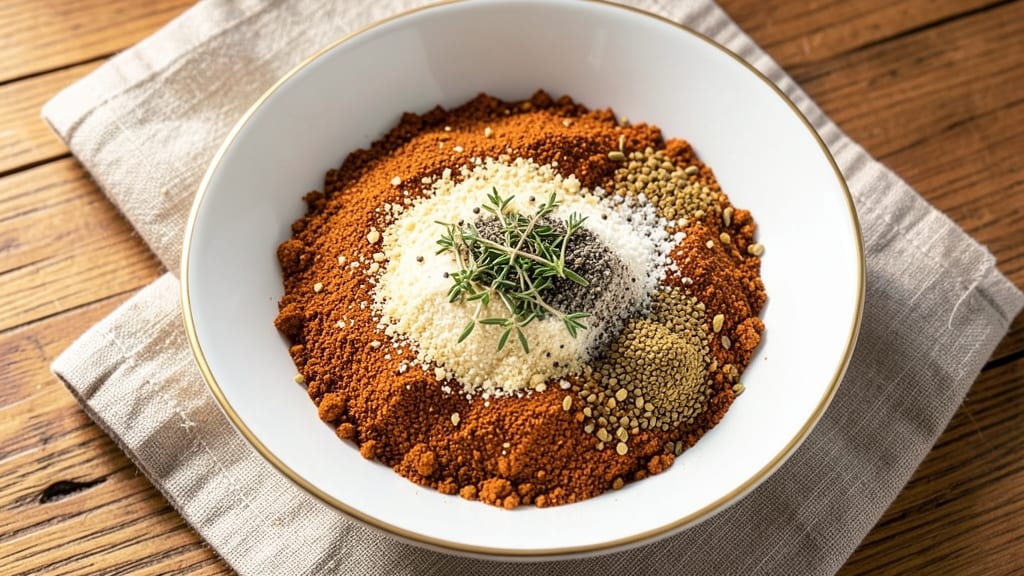
Creating a McCormick-style chicken seasoning at home lets you control the salt, heat, and herb levels exactly how you like it—no preservatives, just pure flavor. This dry blend replicates the signature savory, slightly smoky profile of the commercial version, perfect for grilling, baking, or sprinkling over roasted chicken.
I developed this mix after testing countless combinations to match that familiar, comforting taste without the mystery ingredients.
The secret to this seasoning lies in balancing paprika for warmth, garlic and onion powders for depth, and thyme for that classic herbaceous note. Each component is measured precisely in tablespoons and teaspoons, making it easy to scale up for bulk storage or single-use portions.
Unlike liquid rubs, this dry blend keeps for months in an airtight container, ready to transform any protein with just a shake.
What you’ll end up with is a versatile seasoning that elevates chicken breasts, thighs, or even ground meat with restaurant-quality flavor. The blend’s subtle smokiness and savory complexity make it ideal for everything from crispy grilled chicken to slow-cooked stews. Once you try homemade, you’ll never go back to store-bought.
Store the mix in a cool, dry place for up to six months, or freeze individual portions for long-term use. Whether you’re prepping a week’s worth of meals or craving that signature McCormick taste, this recipe delivers consistent, professional results every time.
Ingredients for mccormick chicken seasoning
Just a handful of pantry staples. One shake. Restaurant-quality flavor in every bite.
| Ingredient | Amount | Notes |
|---|---|---|
| Smoked Paprika 🌶️ | 3 tbsp | High-quality smoked for depth |
| Garlic Powder 🧄 | 2 tbsp | Freshly ground preferred |
| Onion Powder 🧅 | 2 tbsp | Diamond Crystal preferred |
| Ground Black Pepper 🌶️ | 1 tbsp | Freshly cracked for sharpness |
| Dried Thyme 🌿 | 1 tbsp | French preferred for aroma |
| Ground Cumin 🌿 | 1 tbsp | Toasted for warmth |
| Sea Salt 🧂 | 1 ½ tbsp | Fine grain for even distribution |
| Celery Seed 🥬 | ½ tbsp | Ground for subtle earthiness |
| Ground Mustard 🌿 | ½ tbsp | Dry mustard powder |
| Ground Ginger 🌶️ | ¼ tbsp | Freshly ground for zing |
The smoked paprika is where the magic happens—Penzeys or McCormick brand delivers that signature smoky depth. I always grab mine from the bulk spice section at Whole Foods or Trader Joe's since they keep it fresher longer. For the garlic and onion powders, Diamond Crystal kosher salt brand versions work best—they're finely ground and dissolve evenly. The thyme? French dried thyme has a more complex aroma than regular dried thyme, but if you're in a pinch, Italian will do. Celery seed might sound weird, but it's what gives that classic McCormick savory note—don't skip it.
No smoked paprika? Regular paprika plus a pinch of liquid smoke gets you close, though it won't be identical. Short on thyme? Dried oregano at half the amount works in a bind. The ground mustard and ginger can be swapped for Dijon mustard powder or ground coriander, though the flavor will shift slightly. Want more heat? Add an extra 0.5 tbsp cayenne. For bulk storage, I triple the recipe and keep it in a glass jar with a tight seal—lasts for months. The key is to mix everything thoroughly so each pinch is perfectly balanced.
This blend keeps indefinitely in a cool, dark pantry, but for best flavor, use within 6 months. I portion mine into small 1-tbsp servings in zip-top bags—perfect for single-use applications. Freeze extras if you won't use them within that time. The salt is the only ingredient that might clump over time, so give it a quick stir before each use. Trust me, once you go homemade, you'll never reach for the store-bought jar again.
Why You'll Love This Recipe
- Pantry Magic Made Easy: I swear by this recipe because it turns five minutes of whisking into a flavor bomb—no fancy skills needed. Just toss the 3 tablespoons smoked paprika and 2 tablespoons garlic powder into a bowl, give it a stir, and let the spices do the work. The fine-mesh sieve step might sound fussy, but it’s worth it for that silky-smooth texture every time.
- Smoky Depth Without the Guesswork: That first whiff of the finished blend—where the toasted cumin and 3 tablespoons smoked paprika play tag with the French thyme—is what makes it worth making. The ginger (just 0.25 tablespoon, don’t overdo it!) adds this hidden warmth that turns ordinary chicken into something that tastes like it’s been slow-smoked for hours. Honestly, my kids ask for it by name now.
- Weeknight Hero for Everything: Between us, this isn’t just for chicken. I dump it on pork chops for a Sunday roast, sprinkle it over roasted potatoes, and even mix it into ground turkey for tacos. The celery seed and onion powder give it this bright, almost fresh quality that makes it work in ways store-bought blends never could. (Yes, even on a Tuesday night.)
- Budget-Friendly Flavor Vault: A single batch costs pennies compared to pre-mixed seasonings, and it lasts forever—up to 6 months, though I’m usually out of it long before that. The sea salt and ground black pepper make it shelf-stable, so I keep a jar in my pantry for those “I forgot to season” moments. It’s my secret weapon for making cheap cuts taste like a restaurant meal.
Step-by-step instructions for crafting homemade chicken seasoning
Here's how to blend these pantry staples into a versatile seasoning that elevates any protein.
Combine the Dry Base Ingredients
In a medium mixing bowl, start by adding the 3 tablespoons smoked paprika and 2 tablespoons garlic powder. These two ingredients form the flavor foundation - the paprika provides that signature smoky depth while the garlic powder adds immediate savory punch. Use a whisk to break up any clumps in the smoked paprika, ensuring it distributes evenly throughout the blend.
Next, add the 2 tablespoons onion powder and 1 tablespoon ground black pepper. The onion powder contributes a subtle sweetness that balances the heat, while the freshly cracked black pepper ensures sharpness in every bite. I like to press the spices through a fine-mesh sieve at this stage to eliminate any potential grit that might remain from the grinding process.
Incorporate the Warm, Earthy Spices
Now it's time for the aromatic elements. Add the 1 tablespoon dried thyme and 1 tablespoon ground cumin to the bowl. The thyme brings herbal complexity that pairs beautifully with chicken, while the toasted cumin adds warm, earthy notes that cut through the richness of the protein. Give everything another good whisk to ensure these spices are fully incorporated and evenly distributed.
For the final earthy components, add the 0.5 tablespoon celery seed and 0.5 tablespoon ground mustard. The celery seed provides a subtle, fresh-like quality that brightens the blend, while the ground mustard adds a subtle tang that prevents the seasoning from tasting flat. Be careful with the measurements here - too much mustard can make the seasoning taste bitter, while too little won't provide the necessary balance.
Add the Seasoning and Finishing Touches
Pour in the 1.5 tablespoons sea salt and 0.25 tablespoon ground ginger. The sea salt is crucial for both seasoning and preservation, while the freshly ground ginger adds a delicate warmth that enhances the overall complexity. I recommend using a kitchen scale for the ginger measurement to ensure precision, as its strong flavor can easily overpower if used in excess.
Give the entire mixture one final whisk to thoroughly combine all ingredients. The seasoning should now have a rich, complex aroma with notes of smoke, garlic, thyme, and subtle ginger warmth. At this stage, you might notice the blend looks slightly uneven in color, which is completely normal - the different spices create visual variation while maintaining perfect flavor balance.
Store for Maximum Freshness
Transfer the completed seasoning to an airtight container, preferably one with a tight-sealing lid. I prefer glass jars for storage as they allow me to see the contents and the spices remain fresher longer. Seal the container and give it a gentle shake to ensure everything is well-mixed before storing in a cool, dark place.
This homemade chicken seasoning will keep for up to 6 months in the pantry, though I find it maintains its best flavor for about 3 months. For maximum potency, I recommend using it within 2 months of preparation. The seasoning works beautifully on grilled, baked, or roasted chicken, and can also be used to enhance other proteins like turkey, pork, or even tofu for a meaty flavor profile.
Pro Tips For Making Mccormick Chicken Seasoning
- SIEVE THE PAPRIKA: That clump of smoked paprika hiding in your bowl? Press it through a fine-mesh sieve before mixing—it dissolves into the blend smoother and prevents gritty surprises later. I learned this the hard way after finding a paprika nugget in my chicken the first time I skipped it.
- TOAST THE CUMIN: Dry-toast the ground cumin in a dry skillet for 30 seconds until fragrant before adding it to the mix—this deepens its warm, nutty notes without overpowering. Skip this, and you’ll miss that subtle complexity that makes the seasoning sing.
- MEASURE GINGER PRECISELY: Use a kitchen scale for the 0.25 tbsp ground ginger—spoons vary wildly, and too much turns your seasoning bitter. I once burned a batch because I eyeballed it; now I weigh it every time.
- SHAKES BEFORE STORAGE: Give the finished blend a good shake in the jar before sealing—spices settle, and you don’t want to open it later only to find the thyme and paprika separated. A quick 10-second shake ensures even flavor every time.
Perfect pairings for this recipe
Classic Chicken Applications
This seasoning transforms ordinary chicken into something extraordinary. For grilled chicken breasts, coat them with 1 tbsp oil and 1 tbsp seasoning per pound before grilling over medium-high heat for 6-7 minutes per side.
The smoky paprika and thyme create a perfect crust. For roasted chicken thighs, toss with 1 tbsp seasoning per thigh and roast at 375°F for 40-45 minutes until golden and juicy. 🍗
Turkey and Pork Pairings
Don’t limit this to chicken! Use it on turkey breasts for holiday meals—1 tbsp seasoning per pound before roasting at 325°F. For pork chops, coat in 1 tbsp seasoning and pan-sear in 2 tbsp butter for 4-5 minutes per side.
The celery seed and mustard add depth that complements pork’s richness beautifully.
Vegetarian Uses
Yes, even plant-based proteins benefit! Sprinkle 1 tbsp seasoning per pound of tofu before baking or air-frying at 400°F for 20-25 minutes. The smoky, savory notes mimic the complexity of meat.
For portobello mushrooms, marinate in 2 tbsp olive oil + 1 tbsp seasoning for 30 minutes before grilling—it’s a game-changer for veggie burgers. 🌱
Dips and Sauces
Blend 2 tbsp seasoning into ½ cup Greek yogurt or sour cream for a quick chicken dip—perfect with veggies or pita chips. Mix 1 tbsp seasoning into 1 cup mayonnaise for a smoky twist on chicken salad.
For a dry rub, combine with 1 tbsp brown sugar for a sweet-savory glaze when grilling.
Beverage Pairings
A cold lager like Heineken or Budweiser cuts through the richness of seasoned chicken, while a dry Riesling enhances the herbaceous thyme and cumin notes. For non-alcoholic options, sparkling water with lime keeps the palate clean. Avoid heavy reds—they’ll overpower the delicate spices. 🍺
Sweet Applications
Yes, you read that right! Add 1 tsp seasoning to your pumpkin pie spice for a smoky twist on fall desserts. Sprinkle over vanilla ice cream with a drizzle of caramel for a savory-sweet contrast.
The ginger and thyme in the blend add warmth that pairs surprisingly well with sweet treats. 🍰
Nutrition facts
Frequently asked questions
Can I make this seasoning without smoked paprika?
You can substitute with regular paprika plus ¼ tsp liquid smoke for a similar smoky depth. The flavor won't be identical, but it'll still deliver that warm, savory profile. For a completely smokeless version, increase the garlic powder to 2.5 tbsp and add ½ tsp onion powder to compensate.
How do I adjust the salt level for low-sodium diets?
Reduce the sea salt to 1 tbsp (instead of 1.5 tbsp) and add ½ tsp potassium chloride for a salt-free alternative. For a milder taste, omit the salt entirely and use 1 tsp lemon juice per pound of meat to enhance flavor naturally. Always taste as you go!
What's the best way to use this on frozen chicken?
For frozen chicken, apply the seasoning directly to thawed pieces before cooking. If using frozen, increase cooking time by 25% and add 1 extra tbsp seasoning per pound to penetrate the meat. The extra spices help create a better crust on the outside while the inside cooks through.
Can I add this to soups or stews instead of meat?
Add 1 tsp seasoning per quart of liquid during the last 10 minutes of cooking. For cream-based soups, reduce to ½ tsp per quart to avoid overpowering. The thyme and cumin add amazing depth to broths, while the ginger gives a subtle warmth that works beautifully with root vegetables.
Why does my homemade blend taste different from McCormick's?
Store-bought versions often include anti-caking agents and proprietary blends. For closer results, use freshly ground spices (especially black pepper and ginger) and high-quality smoked paprika. The commercial version also contains monosodium glutamate (MSG) for umami—add ¼ tsp if you want that extra savory kick.