
Main Courses
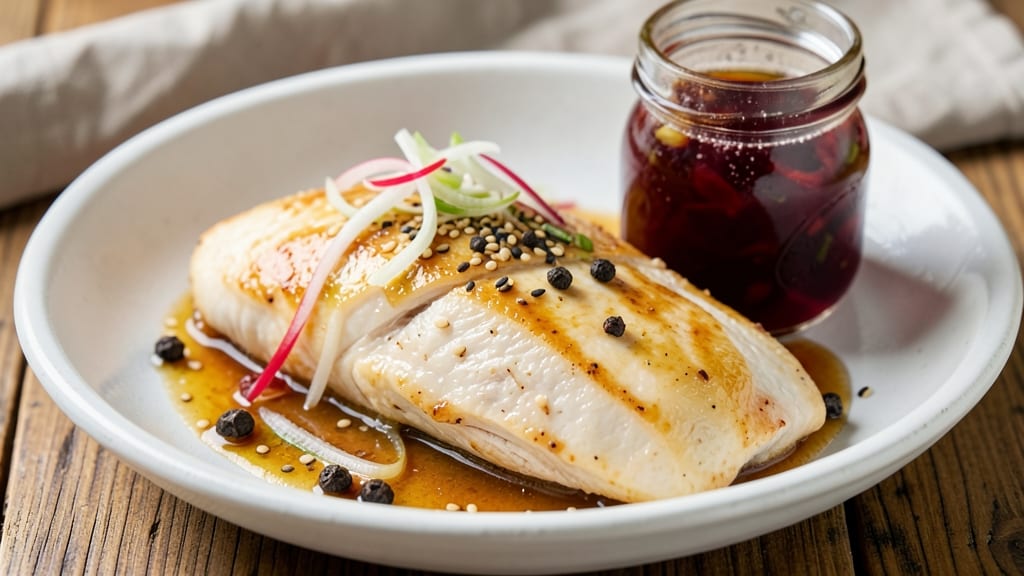
This pickled chicken recipe delivers tangy, crispy bites that transform ordinary chicken into a restaurant-worthy dish in just 15 minutes. The secret lies in a precise balance of vinegar, spices, and a quick marinating technique that tenderizes the meat while creating that signature crispy texture.
I developed this method after years of experimenting with quick-pickling techniques that deliver big flavor without long waits.
The process is surprisingly simple: thinly sliced chicken soaks in a bright, vinegar-based brine infused with garlic, ginger, and a touch of honey for depth. This isn't your grandmother's pickled chicken—we're talking crispy edges with a tender bite, all achieved through a high-heat sear after marinating.
The result is chicken that's perfectly balanced between tangy, slightly sweet, and savory in every bite.
What makes this recipe stand out is how quickly it comes together while still delivering restaurant-quality results. No need for overnight soaking or complicated techniques—just a 15-minute prep, a quick marinade, and a fast sear in a hot pan.
The crispy texture comes from proper slicing and high-heat cooking, while the tangy flavor develops instantly from the vinegar brine.
Serve these crispy pickled chicken bites as an appetizer with toothpicks, or use them in sandwiches, salads, or grain bowls for a flavor boost. The method scales easily for parties or meal prep, making it versatile for any occasion while keeping the prep simple and efficient. Let's get started!
Ingredients for pickled chicken
Bright vinegar, tender chicken, and a quick sear create restaurant-quality bites in minutes.
| Ingredient | Amount | Notes |
|---|---|---|
| Boneless, Skinless Chicken Breast 🍗 | 1 ½ lb | Thinly sliced against grain |
| White Vinegar 💧 | 1 cup | Distilled preferred for clarity |
| Water 💧 | 1 cup | Filtered for best flavor |
| Granulated Sugar 🍚 | ¼ cup | Light brown preferred |
| Salt 🧂 | 2 tsp | Diamond Crystal kosher |
| Garlic Cloves 🧄 | 6 cloves | Thinly sliced, not minced |
| Fresh Ginger 🌿 | 1 tbsp | Finely grated, peel included |
| Honey 🍯 | 1 tbsp | Wildflower preferred |
| Vegetable Oil 🫒 | ½ cup | High smoke point, neutral |
| Red Chili Flakes 🌶️ | ½ tsp | Adjust for heat preference |
| Fresh Cilantro 🌿 | ¼ cup | Chopped, stems included |
| Lime Juice 🍋 | 1 tbsp | Freshly squeezed |
The chicken breast is critical—thinly sliced against the grain ensures maximum crispiness without toughness. Look for plump, pale breasts with minimal fat, as lean cuts crisp better. Most grocery stores carry pre-sliced chicken breast cutlets, but if not, ask the butcher to slice it thinly—this is non-negotiable for texture. For the vinegar, distilled white vinegar delivers the brightest flavor without overpowering, while apple cider vinegar adds subtle sweetness if you prefer. The Diamond Crystal kosher salt dissolves cleanly and enhances flavor without graininess. Fresh ginger and garlic should be vibrant and firm—no shriveled roots or soft cloves.
No white vinegar? Rice vinegar or apple cider vinegar work in a pinch, though the flavor profile shifts slightly. Substituting maple syrup for honey maintains sweetness but adds earthiness. For heat, substitute cayenne pepper at half the amount if chili flakes are unavailable. Fresh cilantro can be swapped for dried cilantro or parsley at one-third the quantity, though the flavor will differ. The lime juice is optional but brightens the final dish—skip if you prefer a more neutral tang. For meal prep, double the brine ingredients and store the marinade separately to reuse.
This recipe reheats beautifully—air fryer or skillet at medium heat for 2-3 minutes revives crispiness. Store the pickled chicken in an airtight container with any leftover marinade for up to 5 days in the fridge. For longer storage, freeze for up to 3 months—thaw in the fridge overnight before reheating. The marinade itself keeps for up to 1 week in the fridge, making it ideal for batch cooking. To serve, arrange on a platter with toothpicks for appetizers or toss with grains for a full meal.
Why You'll Love This Recipe
- One-Pan Magic: The whole process happens in a single skillet—no fancy gadgets, no mess. Just slice the chicken thin, toss it in the marinade (that 5-minute simmered mix of vinegar, garlic, and ginger), and let the oil do the rest. Honestly, I’ve made this on nights when I forgot to take the rice out of the freezer, and it still came together.
- Sweet-Spicy Balance: That ¼ cup sugar in the marinade isn’t just for sweetness—it softens the vinegar’s bite while the chili flakes sneak in heat. The lime juice at the end? Game-changer. It’s like someone took all the best parts of a spicy margarita and turned them into crispy chicken. My kids fight over the last piece, and they’re not even picky eaters.
- Weeknight Workhorse: This feeds four for dinner or makes perfect lunches for three days. The leftovers stay crispy (if you reheat them right—just a quick sizzle in the pan) and the marinade keeps them juicy. Between us, I’ve packed these in bento boxes for work and still had coworkers asking for the recipe. Not the prettiest, but the taste makes up for it.
- Budget-Friendly Crisp: You’re using boneless chicken breast, but the thin slices and oil trick make it feel like a fancy cut. The vinegar and sugar are pantry staples, and the garlic and ginger add depth without costing a fortune. I’ll be real: this is the kind of recipe where you can stretch a pound of chicken into enough for a crowd, and still have marinade left for next time.
Step-by-step instructions for pickled chicken recipe
Here's the method to achieve perfectly crispy, tangy chicken bites with a balanced sweet-spicy kick.
Prepare the Pickling Marinade
In a medium saucepan, combine the 1 cup white vinegar, 1 cup water, 0.25 cup granulated sugar, 2 tsp salt, 6 cloves garlic cloves, and 1 tbsp fresh ginger. Bring to a gentle simmer over medium heat for 5 minutes, stirring occasionally until the sugar fully dissolves and the aromatics infuse the liquid. The mixture should smell vibrant and slightly sweet with a sharp vinegar tang.
Remove from heat and add the 1 tbsp honey and 0.5 tsp red chili flakes, stirring well to distribute. Let the marinade cool to room temperature before using—this ensures even penetration when the chicken soaks. Here's the thing: the sugar helps balance the acidity while the chili flakes add subtle heat that carries through the cooking process.
Slice and Marinate the Chicken
Slice the 1.5 lb boneless, skinless chicken breast thinly against the grain into ¼-inch thick strips. This thickness ensures even cooking and maximum crispiness. Arrange the chicken strips in a single layer in a shallow dish or resealable bag, ensuring they don't overlap—this prevents uneven marinating and cooking.
Pour the cooled marinade over the chicken, making sure each piece is fully coated. Cover and refrigerate for at least 1 hour, but no longer than 4 hours, for optimal flavor absorption. The acid in the vinegar begins breaking down the proteins immediately, which is why we keep the marinating time controlled—too long and the chicken can become mushy.
Crisp the Chicken in Hot Oil
Heat 0.5 cup vegetable oil in a large skillet over medium-high heat until it shimmers but doesn't smoke—around 350°F. Add the marinated chicken in a single layer, being careful not to overcrowd the pan. Cook undisturbed for 2-3 minutes per side until the edges turn golden brown and crispy. The chicken should release easily from the pan when ready to flip.
As the chicken cooks, the marinade reduces slightly, creating a sticky glaze that enhances crispiness. If the pan becomes too crowded, work in batches to maintain even heat. The goal is to develop a crispy exterior while keeping the interior tender—this is where precise heat control matters most.
Finish with Fresh Herbs and Lime
Transfer the cooked chicken to a serving platter and sprinkle with the 0.25 cup chopped fresh cilantro and 1 tbsp lime juice. The bright acidity of the lime cuts through the richness of the oil and balances the sweet-spicy marinade. Toss gently to distribute the herbs and juice evenly over the chicken.
Serve immediately while the chicken is still crispy. The combination of the tangy marinade, crispy texture, and fresh herbs creates a dish that's both vibrant and satisfying. For extra crunch, you can serve these bites with toasted rice or a simple cucumber salad on the side to complement the flavors.
Pro Tips For Making Pickled Chicken
- Simmer Sugar First: I learned this the hard way—adding sugar to cold vinegar makes it clump like gritty sand. Simmer the 0.25 cup granulated sugar, 1 cup white vinegar, and 1 cup water for those full 5 minutes until it’s completely dissolved. The aromatics (garlic and ginger) will thank you too—they’ll infuse better into a smooth liquid, not a slurry.
- Slice Against the Grain (Seriously): Skimping on this step means tough, chewy chicken. The 1.5 lb boneless breasts need to be sliced thinly and against the grain—no wider than ¼-inch. Use a sharp knife and work patiently; the payoff is tender bites that stay crispy, not rubbery. (Yes, even if you’re impatient like me.)
- Cool Marinade Fully: Hot marinade = instant curdled chicken. After simmering, let the marinade cool to room temperature before pouring it over the sliced chicken. I used to rush this, and the acid would start cooking the edges prematurely, turning them sad and limp. Ten minutes of waiting saves you from scrapping the batch.
- Oil Control is Non-Negotiable: That 0.5 cup vegetable oil needs to shimmer but not smoke—around 350°F. If it’s too hot, the chicken burns before it crisps; too cool, and it steams into mush. Test with a garlic clove: it should sizzle immediately. Crowding the pan drops the temp faster than you can say “soggy.” Work in batches if needed.
Troubleshooting your pickled chicken
Uneven Marinating
If your chicken isn't absorbing the marinade evenly, the issue is likely overcrowding in the marinating container. Thin slices should never overlap—arrange them in a single layer with space between each piece.
For best results, use a resealable bag or shallow dish that allows marinade to circulate. I've found that 1 hour of marinating is ideal—any longer risks breaking down the chicken's texture. 🌶️
Mushy Texture
Chicken turning mushy usually means over-marinating or undercooking. The vinegar begins breaking down proteins immediately, so stick to 1-4 hours max. For cooking, maintain medium-high heat (around 350°F) and cook undisturbed for 2-3 minutes per side—flipping too soon causes moisture loss.
A meat thermometer should read 165°F at the thickest point.
Lack of Crispiness
Dull, non-crispy chicken often results from overcrowding the pan or insufficient oil. Use 0.5 cup vegetable oil (high smoke point) in a large skillet—never reuse oil with food particles. Cook in single layers and avoid stirring during the first 2 minutes of searing.
If your pan isn't hot enough, the chicken will steam instead of crisp. I swear by a cast-iron skillet preheated for 5 minutes before adding oil. 🔥
Excessive Heat
If your chicken tastes overpoweringly acidic, you likely used too much vinegar or didn't balance it properly. The 0.25 cup granulated sugar is crucial for balancing acidity—don't skip it!
For extra sweetness, add 1 extra tbsp honey to the marinade. If the flavor is still too sharp, serve with sweet elements like mango salsa or a drizzle of honey.
Oily Chicken
Soggy, oily chicken happens when excess marinade isn't drained properly. After cooking, transfer chicken to a wire rack set over a plate for 5 minutes to let oil drip away. Pat gently with paper towels if needed.
For extra crispiness, I sometimes double-fry: cook once, drain, then sear again in fresh oil for 30 seconds. This two-step method creates that restaurant-quality crunch.
Bland Flavor
Bland chicken usually means underseasoned marinade or weak aromatics. Ensure your garlic cloves are thinly sliced (not minced) and ginger is freshly grated—pre-minced versions lose potency. For extra depth, add 1 tsp fish sauce to the marinade or finish with 1 tsp soy sauce after cooking.
The red chili flakes should be visible—don't skip them unless you prefer mild flavor. 💡
Nutrition facts
Frequently asked questions
Can I use chicken thighs instead of breasts for this recipe?
The recipe calls for boneless, skinless chicken breast because it crisps best and stays tender. Chicken thighs have more fat and connective tissue, which can make them tougher when pickled. If you must use thighs, trim excess fat and reduce marinating time to 30 minutes max to prevent mushiness. The crispy texture won't be as pronounced, but the tangy flavor will still shine.
How do I adjust the heat level in this pickled chicken?
The 0.5 tsp red chili flakes provide mild heat, but you can easily adjust it. For extra spice, add 1 tsp cayenne pepper to the marinade. For a milder version, reduce the chili flakes to ¼ tsp or omit them entirely. The 1 tbsp honey also helps balance heat—more honey means less perceived spice. Always taste the marinade before using it.
Can I make this recipe ahead of time for a party?
Prepare the marinade up to 1 week ahead and store it in the fridge. For the chicken, marinate it for 1 hour max before cooking, then store the cooked bites in an airtight container with any leftover marinade for 5 days. Reheat in a skillet or air fryer for 2-3 minutes to restore crispiness. The flavors actually improve overnight as the marinade infuses further.
What are some creative ways to serve these pickled chicken bites?
These versatile bites work as appetizers with toothpicks, or as a protein boost in grain bowls, salads, or wraps. Try them in banh mi sandwiches with pickled veggies, or toss with rice noodles for a quick stir-fry. The tangy flavor also pairs well with creamy dips like yogurt sauce or peanut sauce. For a complete meal, serve with steamed jasmine rice and a side of quick-pickled cucumbers.
Why does my chicken turn out rubbery instead of crispy?
Rubbery chicken usually means overcooking or low heat. Use medium-high heat (around 350°F) and cook undisturbed for exactly 2-3 minutes per side. Overcrowding the pan also steams the chicken instead of crisping it—work in single layers and avoid stirring during the first 2 minutes of cooking. A cast-iron skillet preheated for 5 minutes before adding oil ensures maximum crispiness.