
Main Courses
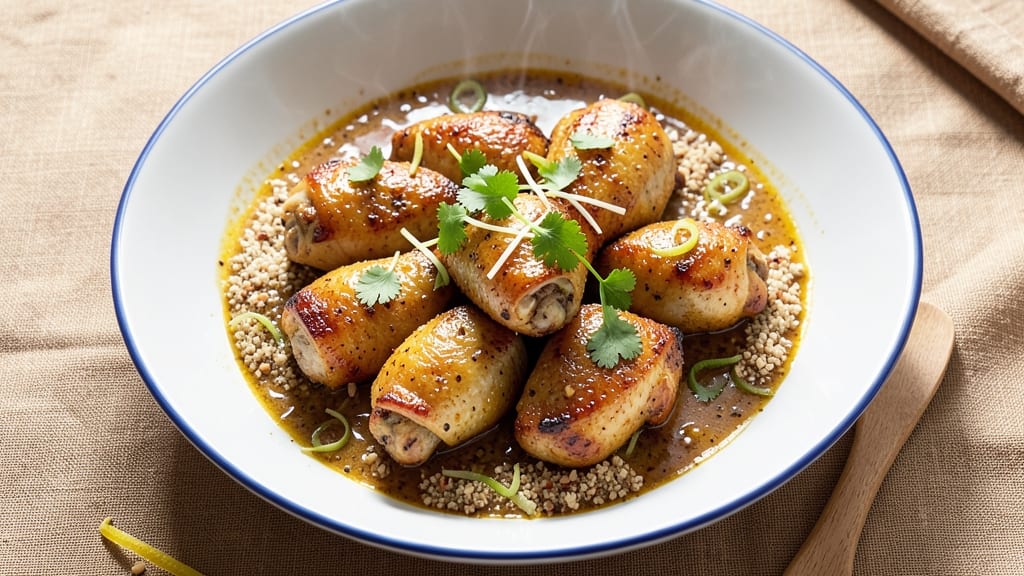
This Atkins curry chicken recipe delivers bold, restaurant-quality flavors while keeping carbs in check—perfect for a satisfying, low-carb meal in just 30 minutes. The secret lies in a rich, coconut milk-based sauce thickened with almond flour, creating a velvety texture without the need for heavy cream or flour.
I developed this recipe after realizing how easy it is to adapt classic curry techniques to fit Atkins principles, using cauliflower rice as the ideal base for soaking up every spiced bite.
The dish starts with chicken thighs, seared until golden and tender, then simmered in a fragrant blend of curry powder, garlic, and ginger. The sauce reduces beautifully with coconut milk and almond flour, creating a thick, aromatic coating that clings perfectly to the chicken.
What sets this apart is how it balances rich flavors with dietary precision—no hidden carbs, no heavy thickening agents, just pure, satisfying taste.
By the time you serve it, you’ll have perfectly spiced chicken with a glossy, fragrant sauce that’s both creamy and complex. The cauliflower rice absorbs the flavors beautifully, while roasted vegetables or a fresh salad on the side keep the meal light and balanced.
This isn’t just another low-carb adaptation; it’s a dish that stands on its own, delivering depth and satisfaction without compromise.
Whether you're following Atkins or simply looking for a flavorful, low-carb meal, this recipe proves you don’t have to sacrifice taste for dietary goals. The technique is straightforward, the ingredients accessible, and the result is a dish that feels indulgent yet aligns perfectly with your nutritional needs. Let’s get cooking!
Ingredients for atkins curry chicken
Low-carb essentials meeting bold flavors—this curry chicken delivers restaurant-quality results in 30 minutes.
| Ingredient | Amount | Notes |
|---|---|---|
| Boneless, Skinless Chicken Thighs 🍗 | 1 ½ lb | Cut into 1-inch pieces |
| Full-Fat Coconut Milk 🥥 | 13 ½ oz | High-quality canned preferred |
| Almond Flour 🌰 | ½ cup | Finely ground for smooth texture |
| Curry Powder 🌶️ | 2 tbsp | Mild or medium heat preferred |
| Fresh Garlic Cloves 🧄 | 6 cloves | Minced for aromatic depth |
| Fresh Ginger Root 🌿 | 1 tbsp | Grated, not powdered |
| Yellow Onion 🧅 | 1 whole | Diced, medium yellow preferred |
| Red Bell Pepper 🍅 | 1 whole | Diced, for color and crunch |
| Fresh Cilantro 🌿 | ¼ cup | Chopped, for garnish |
| Lime Juice 🍋 | 2 tbsp | Freshly squeezed |
| Olive Oil 🫒 | 2 tbsp | Extra-virgin for searing |
| Salt 🧂 | 1 ½ tsp | Diamond Crystal preferred |
| Ground Black Pepper 🌶️ | ½ tsp | Freshly ground |
| Cauliflower Rice 🥬 | 3 cups | Fresh or frozen, thawed |
The coconut milk is non-negotiable here—Thai Kitchen or Native Forest brands deliver the richest flavor. Look for full-fat cans, as lighter versions won't create that velvety sauce texture. Almond flour from Bob's Red Mill works best for thickening without carbs, but if you can't find it, blend raw almonds into flour yourself. Chicken thighs stay juicier than breasts during the long simmer. For the curry powder, Badia or Spicewalla brands offer the most complex flavor profiles, but any high-quality blend will work. Fresh ginger and garlic are worth the extra minute to grate and mince—powdered versions lack the depth this dish needs.
No almond flour? Arrowroot powder at half the amount works in a pinch, though the texture won't be identical. Short on coconut milk? Light coconut milk plus a splash of heavy cream mimics the richness, though it won't be strictly Atkins-compliant. The cauliflower rice can be pre-riced using a food processor or simply chopped finely with a knife. For the bell pepper, red or yellow both work—just avoid green, which has a slightly bitter taste. Lime juice can be substituted with lemon juice at equal amounts, but lime's brightness is ideal for balancing the rich sauce. If you can't find fresh cilantro, dried cilantro at one-third the amount will work, though it lacks the freshness.
Store the cooked chicken and sauce separately in airtight containers for up to 4 days in the fridge. The sauce reheats beautifully—simply warm on the stove with a splash of water or coconut milk to restore its creaminess. The cauliflower rice can be prepped ahead and stored for 3 days, though it's best used fresh for optimal texture. For meal prep, I recommend assembling the dish just before serving to maintain the best texture and flavor balance. Freezing isn't recommended for this recipe, as the sauce can separate upon thawing.
Why You'll Love This Recipe
- One-Pan Magic: I swear by this recipe—just toss the chicken thighs, garlic, and spices on a sheet pan, then let the almond flour crust crisp up while the coconut milk simmers into a luscious sauce. No chopping, no fuss, and honestly, the cleanup is just a wipe-down.
- Rich Without Guilt: The full-fat coconut milk makes this creamy and satisfying, while the almond flour keeps it low-carb but still hearty. That garlic-curry punch? It’s the kind of flavor that sticks with you—like a warm hug in a bowl.
- Lunchbox Hero: Between us, this reheats like a dream for work lunches or school lunches. The almond flour crust stays crispy even after sitting, and the coconut milk doesn’t turn into sad, watery sludge. My kids actually eat their veggies with this—no joke.
- Budget-Friendly Feast: Chicken thighs and coconut milk stretch this into a full meal for less than $10. The curry powder and garlic are pantry staples, so it’s basically free after the first try. Plus, leftovers taste just as good the next day—if they last that long.
Step-by-step instructions for low-carb curry chicken
Master this technique for restaurant-quality curry chicken without the carbs.
Prepare the Chicken and Aromatics
Cut the 1.5 lb boneless, skinless chicken thighs into 1-inch pieces and pat them dry with paper towels. This step is crucial for achieving crispy edges later. In a small bowl, combine the 2 tbsp curry powder, 1.5 tsp salt, and 0.5 tsp ground black pepper. Toss the chicken pieces in this spice mixture until evenly coated.
In a separate bowl, finely mince the 6 cloves fresh garlic and grate the 1 tbsp fresh ginger root. Dice the 1 whole yellow onion and 1 whole red bell pepper into small, even pieces. The goal here is to create a balanced flavor profile where each aromatic component shines through the rich coconut curry.
Sear the Chicken for Depth of Flavor
Heat the 2 tbsp olive oil in a large skillet over medium-high heat until shimmering. Add the spiced chicken pieces in a single layer, leaving space between them to prevent steaming. Cook undisturbed for 3-4 minutes until the chicken develops a deep golden-brown crust on all sides. This searing step locks in juices and builds a flavor foundation.
Once golden, remove the chicken from the skillet and set it aside on a plate. In the same skillet, add the diced onion and bell pepper. Cook for 4-5 minutes until softened but still vibrant in color. Add the minced garlic and ginger, cooking for an additional 30 seconds until fragrant. This aromatic base will infuse the coconut milk with layers of flavor.
Build the Curry Sauce
Pour in the 13.5 oz full-fat coconut milk, scraping up any browned bits from the bottom of the skillet. Bring to a gentle simmer over medium heat, then reduce heat to low. Stir in the 0.5 cup almond flour, whisking continuously for 2-3 minutes until the sauce thickens slightly and coats the back of a spoon. This step creates a velvety texture that balances the richness of the coconut.
Return the seared chicken to the skillet, spooning the sauce over the top. Cover and let it simmer for 10-12 minutes until the chicken is tender and cooked through. The internal temperature should reach 165°F. Avoid overcooking—this can make the chicken dry despite the low-carb approach. The sauce should coat the chicken beautifully, creating a harmonious blend of spice and creaminess.
Finish and Serve with Cauliflower Rice
Stir in the 2 tbsp lime juice and 0.25 cup chopped fresh cilantro, adjusting the seasoning if needed. The lime brightens the dish, cutting through the richness of the coconut milk. Cook for an additional 1-2 minutes to allow the flavors to meld.
While the curry simmers, prepare the 3 cups cauliflower rice according to package instructions. Serve the curry chicken over the cauliflower rice, garnishing with extra cilantro if desired. Each bite should deliver tender, flavorful chicken in a rich, aromatic sauce, perfectly complemented by the low-carb base. The dish maintains authenticity while fitting seamlessly into a low-carb lifestyle.
Pro Tips For Making Atkins Curry Chicken
- CRISP THE ALMOND FLOUR: Toss the chicken thighs in almond flour before searing—it’ll clump like glue if you skip this step. Pat them dry first, then coat them thoroughly; I learned this after my first batch turned out bland and gummy. The flour needs to stick to create that golden crust when it hits the pan.
- MINCE THAT GARLIC: Don’t just chop those garlic cloves—smash them flat with the side of your knife first, then mince. This releases more flavor, and it won’t burn as fast in the coconut milk. I used to rush this, and the curry always tasted underwhelming until I tried this.
- LOW AND SLOW AFTER SEARING: Once your chicken is browned, drop the heat to medium-low and cover the pan. The curry powder burns fast, and you want it to bloom into the coconut milk, not turn bitter. I used to blast it high, and the sauce would scorch before the chicken cooked through.
- USE HALF THE COCONUT MILK: Simmer the curry with just half the coconut milk first—reduce it until it’s thick and syrupy before adding the rest. This deepens the flavor and keeps the dish from being watery. I skipped this once and ended up with a thin, milky curry that lacked richness.
Make-ahead tips for atkins curry chicken
Prep Ahead for Efficiency
Start by prepping the cauliflower rice and chopping all aromatics—onion, bell pepper, garlic, and ginger—the night before. Store them in separate airtight containers in the fridge.
This saves 15-20 minutes of prep time on cooking day and keeps your workspace organized. I always use quart-sized glass containers for easy stacking. 📅
Sauce Prep Shortcut
Make the curry sauce base ahead of time by combining 13.5 oz coconut milk, 0.5 cup almond flour, and 2 tbsp curry powder in a saucepan. Simmer for 5 minutes until slightly thickened, then cool and refrigerate for up to 2 days.
Reheat gently before adding the chicken to maintain texture. This step cuts your cooking time by nearly half on busy weeknights.
Chicken Prep in Advance
Cut the 1.5 lb chicken thighs into 1-inch pieces and marinate them overnight in a mix of 2 tbsp curry powder, 1.5 tsp salt, and 0.5 tsp black pepper.
Store in a sealed container in the fridge. When ready to cook, simply sear and simmer—no extra prep needed. The marinade infuses the chicken with deep flavor while keeping it juicy. 🍗
Reheating Leftovers
Reheat curry chicken leftovers by transferring portions to a skillet with 1-2 tbsp coconut milk or water. Warm over medium-low heat for 3-4 minutes, stirring occasionally, until reaching 165°F. Avoid microwaving—it can make the sauce watery and the chicken rubbery.
The almond flour thickens beautifully when reheated gently, restoring that velvety texture. Store leftovers in airtight containers for up to 4 days.
Freezing for Later
While this dish isn’t ideal for long-term freezing (the sauce can separate), you can freeze the cooked chicken and sauce separately for up to 1 month. Thaw overnight in the fridge, then reheat gently with a splash of coconut milk.
The cauliflower rice doesn’t freeze well, so prep it fresh when reheating. For best results, freeze in single-serving portions for easy grab-and-go meals. Label containers with dates to track freshness. ❄️
Nutrition facts
Frequently asked questions
Can I use chicken breasts instead of thighs?
Chicken breasts will work, but thighs are ideal for this recipe because they stay juicier during the long simmer. If using breasts, cut them into ½-inch thick pieces and reduce the cooking time to 8-10 minutes to avoid drying out. For extra moisture, add 1 tbsp coconut milk to the sauce during the final minutes of cooking.
What if I don't have almond flour?
Try arrowroot powder at half the amount (¼ cup) for thickening, though the texture will be slightly lighter. For a richer alternative, blend ½ cup raw almonds into flour yourself. If you're avoiding nuts entirely, 1 tbsp xanthan gum mixed with ¼ cup water can work in a pinch, but the sauce may be less velvety.
How can I make this dish spicier?
Boost the heat by adding ½ tsp cayenne pepper or 1 tbsp fresh chili paste to the sauce. For smoky depth, stir in ½ tsp smoked paprika with the curry powder. If you love fresh heat, top with thinly sliced jalapeños or a sprinkle of red pepper flakes before serving. Balance with extra lime juice if needed.
What are the best sides for this curry?
Pair with roasted broccoli or zucchini noodles for extra veggies. For a complete Atkins meal, serve with a simple green salad (mixed greens + olive oil + lemon) or cauliflower poppers. The creamy sauce pairs beautifully with crispy kale chips or avocado slices for a refreshing contrast.
Why is my sauce too thin?
If the sauce separates or stays watery, it likely needs more thickening. Mix 1 tbsp almond flour with 2 tbsp cold water to form a paste, then whisk into the sauce. Simmer for 2-3 minutes until thickened. For extra richness, stir in 1 tbsp coconut cream (the thick layer from a chilled coconut milk can). Avoid adding flour—it's not Atkins-compliant!