
Main Courses
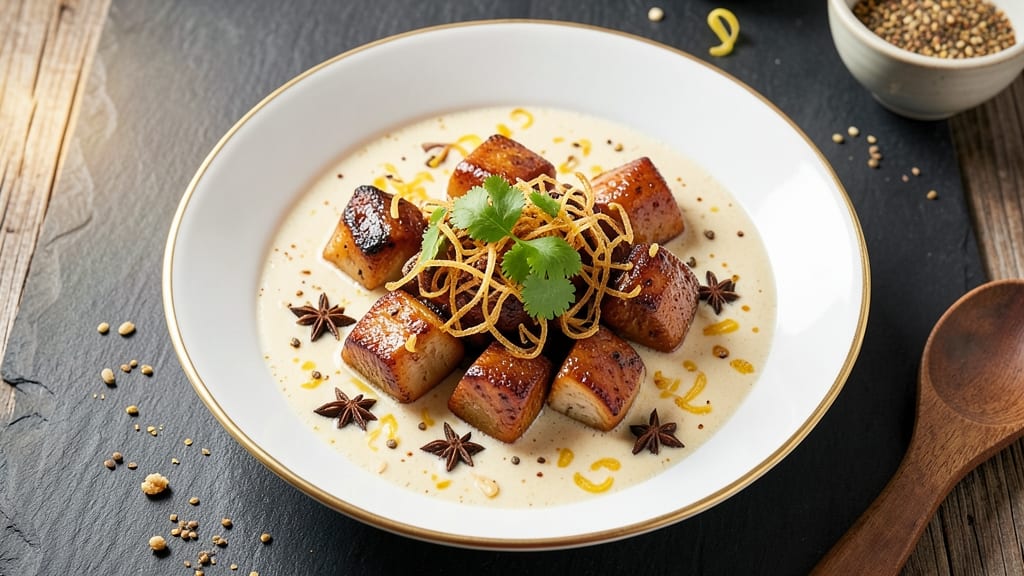
This authentic Chinese chicken curry delivers the fragrant harmony of coconut, ginger, and star anise that defines regional Chinese cuisine. The secret lies in slow-browning the chicken and layering spices—cumin, coriander, and Sichuan peppercorns—before simmering in a velvety coconut broth.
I perfected this recipe after years of testing, balancing heat and sweetness to stay true to its roots while making it accessible for home cooks.
The magic happens in the sauce: ginger and garlic sautéed until fragrant, then melded with spices and coconut milk for depth. Unlike many curries, this version avoids excessive oiliness while keeping the sauce rich and aromatic.
The chicken thighs stay tender, absorbing the complex flavors without falling apart. This isn’t just a curry—it’s a taste of Cantonese or Sichuan traditions adapted for your home kitchen.
By the end, you’ll have a dish with golden-brown chicken swimming in a sauce that’s both creamy and fragrant, with just the right balance of spice and sweetness. Serve it over steamed jasmine rice to soak up every last drop, or pair it with warm flatbread for a satisfying meal.
The aroma alone will have everyone at the table asking for seconds.
What makes this recipe truly special is its authenticity—no shortcuts, just the careful layering of spices and techniques that define Chinese curry. Whether you’re feeding a crowd or treating yourself, this dish delivers restaurant-quality results with minimal fuss. Let’s get cooking!
Ingredients for authentic chinese chicken curry
These 15 ingredients bring the fragrant harmony of authentic Chinese curry to your kitchen—no shortcuts, just bold flavors.
| Ingredient | Amount | Notes |
|---|---|---|
| Boneless Chicken Thighs 🍗 | 1 ½ lb | Cut into 1-inch pieces |
| Coconut Milk 🥥 | 1 can | Full-fat, 13.5 oz can |
| Fresh Ginger 🧄 | ½ cup | Finely grated, peeled |
| Garlic Cloves 🧄 | 6 cloves | Minced, peeled |
| Star Anise 🌿 | 2 whole | Lightly crushed |
| Ground Cumin 🌶️ | 1 tbsp | Toasted for depth |
| Ground Coriander 🌿 | 1 tbsp | Freshly ground preferred |
| Sichuan Peppercorns 🌶️ | ½ tsp | Crushed for aroma |
| Vegetable Oil 🫒 | 3 tbsp | High smoke point |
| Tomato Paste 🍅 | 2 tbsp | Smooth, no sugar added |
| Soy Sauce 🍶 | 2 tbsp | Light or dark preferred |
| Brown Sugar 🍯 | 1 tbsp | Packed, light brown |
| Jasmine Rice 🍚 | 1 ½ cups | Uncooked, long grain |
| Fresh Cilantro 🌿 | ¼ cup | Chopped, for garnish |
| Salt 🧂 | 1 tsp | Kosher or sea salt |
The chicken thighs are key—they stay tender while absorbing the sauce. Look for bone-in, skin-on thighs at your local Asian market for extra flavor, but boneless works too. Fresh ginger and garlic from the produce section make all the difference—skip the jarred stuff. Sichuan peppercorns add that signature tingling heat, so don't skip them. For the coconut milk, full-fat is a must—light versions won't give the same richness. The star anise might be in the spice aisle or the Asian foods section—check both.
No Sichuan peppercorns? Substitute with a pinch of cayenne plus a dash of black pepper for some heat, though it won't be identical. Fresh ginger too pungent? Use powdered ginger at half the amount. The soy sauce can be tamari for gluten-free, but light soy gives the best balance. Brown sugar adds depth—white sugar in a pinch, but you'll lose that caramelized richness. The tomato paste? Trader Joe's or Muir Glen are my go-tos—they're consistent and affordable. For the cilantro, if you hate the taste, swap in Thai basil or parsley.
This curry tastes even better the next day as flavors meld. Store leftovers in an airtight container in the fridge for up to 4 days. Freezes beautifully for 3 months—portion into containers so you can grab and reheat. The rice? Cook it separately and keep it warm in a rice cooker or covered pot. The sauce thickens as it cools, so add a splash of water or coconut milk when reheating. Garnish with fresh cilantro right before serving—it wilts fast once chopped.
Why You'll Love This Recipe
- One-Pot Magic: I swear by this recipe when I’m too tired to wash dishes. The chicken thighs simmer right in the same pot with the coconut milk and spices—no extra pans, no fuss. Just peel the ginger, crush the star anise, and let the flavors meld while you stir occasionally.
- Flavor Bomb: That first bite? Chef’s kiss. The star anise and fresh ginger give it this warm, aromatic depth, while the coconut milk keeps it rich but not heavy. Honestly, the garlic cloves roasted in the oil at the start make all the difference—it’s like a little flavor upgrade I didn’t even know I needed.
- Meal Prep MVP: This curry tastes even better the next day, which is perfect because it’s basically my freezer-friendly go-to. I’ll make a big batch on Sundays, portion it out, and reheat it all week—whether it’s for lunch or a lazy dinner. (Yes, even on a Tuesday night.)
- Budget-Friendly Luxury: Chicken thighs are affordable, coconut milk stretches far, and the spices last forever. Between us, this recipe feeds four for under $15, and the leftovers? They’re just as good cold in rice bowls the next afternoon. No takeout needed.
Step-by-step instructions for authentic Chinese chicken curry
Here's how to create a rich, aromatic curry that captures the true essence of Chinese home cooking.
Prepare the Chicken and Aromatics
Cut the 1.5 lb boneless chicken thighs into 1-inch pieces and set aside. In a small bowl, combine the 0.5 cup finely grated fresh ginger, 6 cloves minced garlic, 2 lightly crushed whole star anise, 1 tbsp toasted ground cumin, 1 tbsp freshly ground coriander, and 0.5 tsp crushed Sichuan peppercorns. This aromatic blend forms the flavor foundation of your curry.
I like to toast the spices for about 30 seconds in a dry skillet before grinding to deepen their flavors. The Sichuan peppercorns will add that signature tingling sensation that makes this curry truly authentic. Keep this mixture separate until you're ready to use it in the cooking process.
Build the Curry Base
Heat 3 tbsp vegetable oil in a large, heavy-bottomed pot over medium heat. Add the chicken pieces and cook for 5-6 minutes, stirring occasionally, until they turn light golden brown. This initial searing locks in juices and builds flavor through the Maillard reaction.
Once the chicken is browned, reduce heat to medium-low and add the 2 tbsp tomato paste, stirring to coat the chicken evenly. Cook for 2 minutes until the paste darkens slightly. This step creates a rich, caramelized base that forms the backbone of your curry. Don't rush this - the deeper the color, the more complex the flavor.
Develop the Curry Sauce
Pour in the 2 tbsp soy sauce and 1 tbsp packed brown sugar, stirring well to combine. Add the spice mixture you prepared earlier and cook for 1 minute, stirring constantly. This is where all the aromatic flavors meld together - you'll notice the kitchen filling with that wonderful spicy, citrusy scent.
Slowly pour in the 1 can coconut milk, stirring gently to avoid creating lumps. The sauce will immediately begin to simmer. Let it cook uncovered for 10 minutes at a gentle simmer, stirring occasionally. The sauce should reduce slightly and thicken - you're looking for a consistency where it coats the back of a spoon but still flows freely.
Simmer the Chicken to Perfection
Once the sauce has thickened, increase heat to medium-high and bring to a boil. Reduce heat back to low and let the curry simmer uncovered for 20-25 minutes, stirring occasionally. The chicken is done when it's tender and the sauce has thickened to a rich, velvety consistency.
I check for doneness by piercing a chicken piece with a fork - it should slide in easily with no resistance. The sauce should coat the chicken pieces completely, with a glossy sheen that indicates proper reduction. If it's too thin, simmer uncovered for another 5 minutes to reach the right consistency.
Finish and Serve
Remove the pot from heat and let the curry rest for 5 minutes. This resting period allows the flavors to fully meld together. Stir in the 1 tsp salt and taste, adjusting if needed - you might want to add a bit more soy sauce for saltiness or brown sugar for sweetness.
Garnish with 0.25 cup chopped fresh cilantro just before serving. The bright herb notes cut through the richness of the coconut and spices beautifully. Serve the curry hot over 1.5 cups cooked jasmine rice, spooning generous portions of both the chicken and sauce over each serving. The rice should be fluffy and separate, ready to soak up all those delicious flavors.
Pro Tips For Making Authentic Chinese Chicken Curry
- Bloom the Spices Slowly: I used to rush the star anise and whole spices, tossing them in with the garlic and ginger right away—big mistake. Instead, toast them dry in your pot for 30 seconds on medium heat first. This wakes up their aroma without burning them, and you’ll smell that warm, earthy depth the second you add the coconut milk.
- Cut Chicken Evenly: Uneven pieces mean some cook in 12 minutes while others stay rubbery. Trim any excess fat, then slice the thighs into 1-inch chunks—same size, same thickness. If you’re impatient, freeze them for 20 minutes first; they’ll cook faster and more evenly.
- Strain the Coconut Milk: Store-bought coconut milk leaves a slimy film that ruins texture. After simmering, strain it through a fine-mesh sieve lined with cheesecloth. It’s a pain, but your curry will be smoother and richer—no clumps, no weird mouthfeel.
- Sear Chicken in Batches: Crowding the pan steams the chicken instead of browning it. Cook half the thighs first, then set them aside while you finish the rest. The Maillard reaction on that first batch gives the curry a depth you won’t get otherwise—worth the extra 5 minutes.
Regional styles of authentic chinese chicken curry
Cantonese Style
This version focuses on mild, sweet-spiced flavors with a lighter touch compared to Sichuan. Use less Sichuan peppercorns (just ¼ tsp) and replace with ½ tsp white pepper for warmth without the tingling heat.
Add ½ cup pineapple juice to the sauce for brightness, and finish with 1 tbsp hoisin sauce for depth. Cantonese cooks often serve this with steamed buns or congee instead of rice. 🍍
Sichuan Spicy
For a fiery kick, double the Sichuan peppercorns to 1 tsp and add 1 tbsp chili bean paste (like Lao Gan Ma). Include 1 tbsp doubanjiang for fermented depth and 1 sliced finger of chili (like Thai bird's eye) for heat.
Stir in 1 tsp rice vinegar at the end to balance the spice. Serve with pickled vegetables to cut through the heat. 🌶️
Hainan Island
This tropical variation swaps coconut milk for 1 can (13.5 oz) Hainan coconut milk (thinner and less sweet) and adds 1 tbsp grated galangal (or ginger) plus 1 stalk lemongrass (bruised and tied). Include ½ cup shredded kaffir lime leaves and 1 tbsp fish sauce for umami.
Simmer uncovered for 15 minutes to let the lime notes infuse. Pair with sticky rice or taro cakes. 🌴
Fujian Light
Fujian cuisine emphasizes light, herbal flavors. Reduce the coconut milk to ½ can and add 1 cup chicken stock instead. Include 1 tbsp Shaoxing wine, 1 tsp dried tangerine peel, and ½ cup chopped scallions.
Simmer gently for 20 minutes to let the wine mellow. Garnish with thinly sliced scallions and serve with lotus root slices for texture. 🌿
Modern Fusion
For a contemporary twist, blend ½ cup coconut milk with ½ cup Greek yogurt after cooking for a creamy yet tangy sauce. Add 1 tsp smoked paprika and ½ tsp turmeric for color.
Top with toasted cashews and fresh mint. Serve over cauliflower rice for a lighter option or with naan bread for dipping. 💫
Nutrition facts
Frequently asked questions
Why does this recipe use chicken thighs instead of breasts?
Chicken thighs stay juicy and tender while absorbing the rich curry sauce better than breasts. Their higher fat content also helps balance the coconut milk's creaminess, creating a more authentic texture. Plus, thighs are often preferred in traditional Chinese curries for their robust flavor.
Can I substitute coconut milk with something else for dietary reasons?
For a dairy-free option, try cashew cream (blend soaked cashews with water) or full-fat yogurt for tanginess. If avoiding coconut entirely, use half coconut milk and half chicken stock> to maintain moisture. The sauce will be lighter but still flavorful. Just reduce simmering time by 5 minutes to prevent thinning.
How do I adjust the spice level for sensitive eaters?
Reduce the Sichuan peppercorns to ¼ tsp and omit the chili bean paste. For warmth without heat, add ½ tsp ground white pepper> instead. The ginger and star anise already provide natural depth, so the curry will still taste complex. Always taste as you go—adjust soy sauce or brown sugar to balance flavors.
What's the secret to getting the sauce just right?
The key is patience! Simmer uncovered for the full 20-25 minutes—this lets excess moisture evaporate while thickening the sauce naturally. If it's too thin, simmer 5 more minutes> uncovered. For extra richness, whisk in 1 tsp cornstarch> mixed with water at the end. Stir constantly to avoid lumps.
Can I make this curry ahead of time?
This curry tastes even better the next day as flavors meld. Store in an airtight container> in the fridge for up to 4 days. Reheat gently on low heat, adding 1-2 tbsp water> if the sauce thickens too much. For freezing, portion into containers and freeze for up to 3 months>. Thaw overnight in the fridge before reheating.