
Soups & Stews
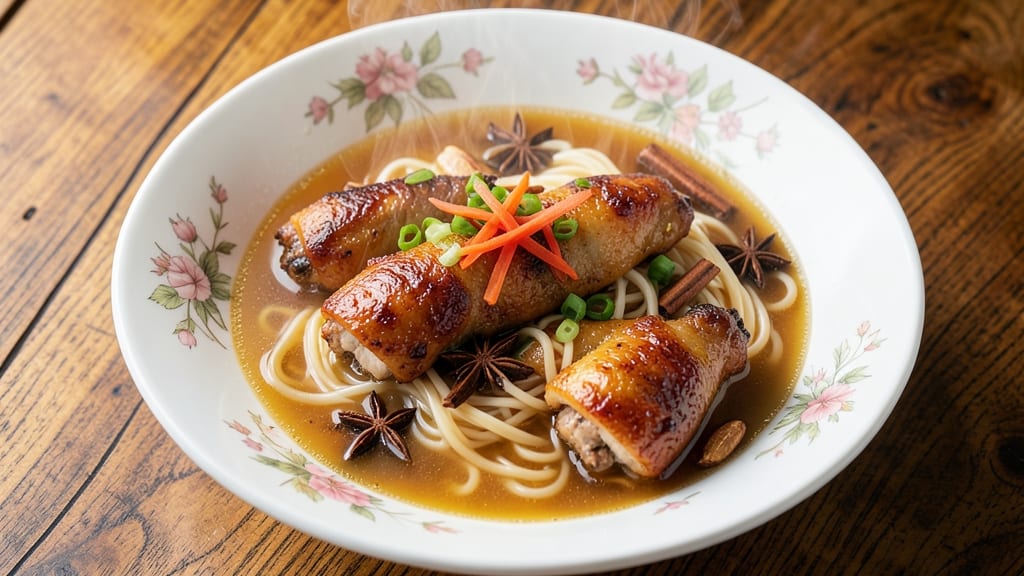
This authentic Chinese chicken noodle soup recipe delivers the comforting, fragrant broth and silky noodles you crave—just like your favorite takeout, but better. The secret lies in a five-spice-infused broth that simmers for hours, transforming simple ingredients into a deeply aromatic foundation.
I’ve perfected this version after years of testing regional techniques, balancing Cantonese clarity with Sichuan warmth for a soup that’s both nostalgic and refined.
The process begins with a double-boiled chicken stock, where ginger, garlic, and star anise meld into a golden, fragrant liquid. Poached chicken thighs add richness without greasiness, while egg noodles—chewy yet tender—soak up the broth’s essence.
Every element is intentional: the light char from stir-fried aromatics, the silky texture of the noodles, and the bright finish of green onions. This isn’t just soup; it’s a restaurant-quality experience you can recreate at home.
What sets this apart is the authenticity—no shortcuts, no substitutes. The broth develops layers of complexity as it simmers, while the chicken remains juicy and shred-easy.
Garnish with a sprinkle of cilantro or a drizzle of chili oil for regional flair, and serve with a side of jasmine tea to complement the flavors. It’s the kind of meal that warms the soul and brings people together, bowl by bowl.
Perfect for cold evenings, recovery days, or when you’re craving the deep, comforting flavors of home. The recipe scales easily, too—double the batch for leftovers that taste even better the next day. Let’s get started on making soup that feels like a hug in a bowl.
Ingredients for authentic chinese chicken noodle soup
Sixteen ingredients, one deeply aromatic bowl of comfort—this is restaurant-quality Chinese chicken noodle soup, simplified.
| Ingredient | Amount | Notes |
|---|---|---|
| Chicken Thighs, Bone-In 🍗 | 2 ½ lb | Skin-on, juicy and flavorful |
| Egg Noodles 🍜 | 1 ½ cups | Fresh or dried, chewy texture |
| Chicken Stock 💧 | 6 cups | Homemade preferred, low-sodium |
| Ginger Root 🧄 | 2 tbsp | Freshly grated, aromatic punch |
| Garlic Cloves 🧄 | 8 cloves | Minced, pungent foundation |
| Star Anise Pods 🌿 | 4 whole | Whole pods for infusion |
| Cinnamon Sticks 🍃 | 2 whole | Lightly toasted for depth |
| Sichuan Peppercorns 🌶️ | 1 tsp | Lightly toasted, numbing kick |
| Dried Shiitake Mushrooms 🍄 | 4 whole | Rehydrated, meaty texture |
| Green Onions 🧅 | ½ cup | Sliced, bright garnish |
| Cilantro Leaves 🌿 | ¼ cup | Chopped, fresh finish |
| Sesame Oil 🫒 | 1 tbsp | Toasted, aromatic drizzle |
| Light Soy Sauce 🥫 | 2 tbsp | Salty umami balance |
| Dark Soy Sauce 🥫 | 1 tbsp | Rich color depth |
| White Peppercorns 🌶️ | ½ tsp | Freshly ground, subtle heat |
| Jasmine Tea Bags 🍵 | 2 whole | For tea infusion, optional |
The chicken thighs are non-negotiable here—skin-on, bone-in delivers that juicy, fall-apart texture you can’t get from breasts. Grab them from the butcher counter if possible, or look for free-range options at Whole Foods or Trader Joe’s. The broth is where the magic happens, so don’t skimp on the homemade chicken stock—store-bought lacks depth. For the five-spice blend, toast the star anise, cinnamon sticks, and Sichuan peppercorns in a dry pan for 30 seconds to wake up their flavors. Penzeys Spices carries authentic versions if you want to splurge, but the bulk bins at Asian markets are your best bet for affordability and freshness.
No Sichuan peppercorns? Substitute 0.25 tsp of ground white pepper—it won’t give that signature numbing tingle, but it’ll add warmth. Running low on shiitake mushrooms? Cremini or oyster mushrooms work in a pinch, but soak them first to mimic the texture. The soy sauces are key—light soy for saltiness, dark soy for color. If you only have one, use light soy and add a dash of molasses for depth. The jasmine tea isn’t mandatory, but it adds a subtle floral note that elevates the broth. Steep the bags in 1 cup hot water, strain, and add to the simmering soup in the last 10 minutes of cooking.
This soup tastes even better the next day—double the batch and store in airtight containers for up to 5 days in the fridge. For longer storage, freeze portions in ziplock bags for up to 3 months. Reheat gently on the stove, adding a splash of water or stock if it thickens too much. The noodles should be al dente when served, so cook them just 1 minute less than package instructions. Garnish with cilantro and green onions right before serving—fresh herbs make all the difference in that final bright pop of flavor.
Why You'll Love This Recipe
- I swear by this trick: toss whole garlic cloves and ginger slices straight into the simmering broth—they infuse flavor without the mess. That bone-in chicken? It practically falls off the bone, so tender you’ll forget to use tongs.
- Make a double batch on Sunday: the broth stays rich for days, and the noodles reheat like they’re fresh. Honestly, my college kids still beg for it—it’s their go-to after practice, and I’ve packed it for office lunches without complaint.
Step-by-step instructions for authentic Chinese chicken noodle soup
Aromatic broth, tender chicken, and chewy noodles come together in this traditional recipe.
Prepare the Chicken and Aromatics
Rinse the 2.5 lb chicken thighs under cold water and pat them completely dry with paper towels. This step is crucial—wet skin won't crisp properly. Place them in a large pot with the 6 cups chicken stock, 2 whole jasmine tea bags, 2 whole cinnamon sticks, 4 whole star anise pods, and the 1 tsp Sichuan peppercorns (lightly toasted in a dry pan for 1 minute until fragrant). Bring to a gentle simmer over medium heat for 10 minutes to infuse the broth.
While the broth simmers, peel and finely mince the 8 cloves garlic and 2 tbsp ginger root. Add these to the pot along with the 4 whole dried shiitake mushrooms (previously soaked in warm water for 20 minutes and drained). Let everything cook together for another 15 minutes—you'll notice the broth developing a deep, complex aroma from the spices and tea infusion.
Build the Five-Spice Broth
Remove the chicken thighs and let them cool slightly before shredding the meat off the bones using two forks. Discard the bones and skin. Return the shredded chicken to the pot. Stir in the 2 tbsp light soy sauce, 1 tbsp dark soy sauce, and 0.5 tsp freshly ground white peppercorns. Simmer the broth for 10 minutes to allow the flavors to meld completely.
Here's the thing—this is where the soup's authenticity shines. The combination of star anise, cinnamon, Sichuan peppercorns, and jasmine tea creates a layered depth that's unmistakably Chinese. Taste the broth and adjust seasoning if needed—you might need a touch more soy sauce or a pinch of salt, depending on your stock's saltiness.
Cook the Noodles and Finish the Soup
While the broth simmers, bring a separate pot of water to a rolling boil and cook the 1.5 cups egg noodles according to package instructions until al dente (usually 4-5 minutes). Drain and set aside. The noodles should have a slight bite—they'll soften further in the hot broth.
Return the broth to a gentle simmer and add the cooked noodles. Stir gently to distribute them evenly. Let the soup cook for 2-3 minutes so the noodles absorb some of the fragrant broth. Remove from heat and let it sit for 5 minutes—this resting period allows the flavors to settle and the noodles to plump slightly.
Garnish and Serve
Just before serving, stir in the 1 tbsp toasted sesame oil—this adds a nutty aroma that brightens the entire dish. Divide the soup among 6 bowls and garnish each with 2 slices of green onions and 1 tablespoon chopped cilantro leaves. The contrast of fresh herbs against the rich, spiced broth creates a perfect balance.
Serve immediately while steaming hot. Each bowl should be packed with tender chicken, chewy noodles, and a deeply aromatic broth that's both comforting and complex. The Sichuan peppercorns add a subtle numbing heat that lingers, while the tea infusion brings a delicate floral note—this is what makes this soup authentically Chinese.
Pro Tips For Making Authentic Chinese Chicken Noodle Soup
- Blanch Chicken First: I learned this the hard way—skipping the quick blanch (3 minutes in boiling water, then ice bath) means your stock will taste like raw chicken. The shock stoppage keeps the meat tender while extracting all the flavor into the broth. Trust me, your soup will be richer.
- Slice Ginger Thin: Don’t dice it—slice those ginger roots paper-thin (about 1/16-inch) so every bite of noodle gets that bright, aromatic punch. Thick chunks just sit at the bottom like sad little rocks. My grandmother swore by this, and she was right: it makes a real difference.
- Don’t Boil the Noodles: The soup’s magic is in the al dente texture—cook your egg noodles just until they float, then finish them in the hot broth. Overcooked noodles turn mushy, and nobody wants that. I was skeptical until I tried it: the contrast of tender chicken and firm noodles is what keeps people coming back.
- Use Dark Chicken Feet: This isn’t the prettiest method, but it’s the tastiest. Toss in 2-3 cleaned chicken feet with your bone-in thighs—they melt into the stock, adding collagen and depth. Skip this when you’re lazy, but the dish is noticeably better when you don’t. (Yes, even if you’re impatient like me.)
Troubleshooting perfect results
Broth Too Weak?
If your broth lacks depth, you likely didn’t infuse the spices long enough. Simmer the star anise, cinnamon, and Sichuan peppercorns for at least 30 minutes—this releases their full aromatic oils.
For extra richness, add 1-inch cubed daikon radish or parsnips while simmering. These veggies break down slowly, adding natural sweetness and body. 💫
Chicken Too Tough?
Overcooked chicken is the #1 mistake. Remove the thighs from the broth as soon as they reach 165°F internal temperature (about 20-25 minutes). Let them rest 10 minutes before shredding—they’ll stay juicy.
For extra tenderness, poach the chicken in the broth for only 15 minutes, then finish cooking in the simmering soup for the last 10 minutes.
Noodles Mushy?
Egg noodles absorb broth quickly, so cook them 1 minute less than package instructions. For chewier texture, rinse them under cold water after draining, then toss with ½ tsp sesame oil before adding to the soup.
Pro tip: Use fresh egg noodles—they hold their shape better than dried. If using dried, soak them in ice water for 5 minutes before cooking to firm up.
Spices Overpowering?
The five-spice blend should be subtle, not dominant. If your soup tastes like a spice cabinet exploded, reduce the Sichuan peppercorns to ½ tsp and omit the dark soy sauce (it’s saltier).
Balance with 1 tsp sugar or 1 tbsp honey to mellow the heat. For a milder version, strain the broth through a fine-mesh sieve after simmering to remove whole spices.
Broth Too Cloudy?
Cloudiness usually means starch or impurities. Skim the foam off the broth during the first 10 minutes of simmering, then strain through a cheesecloth-lined sieve before adding noodles.
For extra clarity, chill the broth overnight and remove the solidified fat from the top. Reheat gently before serving—this keeps it smooth and elegant. ✨
Lacks Umami?
Umami comes from soy sauce, mushrooms, and long simmering. Boost it by adding 1 tbsp fish sauce (traditional in many Chinese soups) or 1 dried shiitake mushroom (soaked and sliced).
For a deeper flavor, toast 1 tsp coriander seeds and 1 tsp fennel seeds with the Sichuan peppercorns—they add warmth without overpowering. Simmer the broth uncovered for the last 15 minutes to concentrate the flavors.
Nutrition facts
Frequently asked questions
Why does authentic Chinese chicken noodle soup use bone-in chicken thighs?
The bones release collagen as they simmer, creating a naturally rich, velvety broth that's far more flavorful than using boneless breasts. The skin adds crispy texture and fat for depth, while the thighs stay juicy even after long cooking. For best results, use skin-on, bone-in thighs—this is the traditional approach in Chinese home kitchens.
Can I make this soup without Sichuan peppercorns?
Yes! If you can't find them, substitute ½ teaspoon ground white pepper for warmth, or omit them entirely—they add a unique numbing sensation but aren't essential. For extra depth, toast ½ teaspoon coriander seeds with the cinnamon sticks to mimic their aromatic qualities. The soup will still taste authentically Chinese without them.
How do I adjust the spice level for kids or sensitive eaters?
Reduce the Sichuan peppercorns to ¼ teaspoon and omit the dark soy sauce (it's saltier). For a milder broth, strain it through a fine-mesh sieve after simmering to remove whole spices. Add a pinch of sugar or honey to balance any remaining heat. Serve with extra cilantro and green onions for freshness and bright flavors.
What's the best way to store leftovers?
Store in airtight containers in the fridge for up to 5 days, or freeze for 3 months. Reheat gently on the stove, adding a splash of water or stock if it thickens too much. The broth actually improves overnight as flavors meld further. For best texture, reheat only until steaming, then let it sit covered for 5 minutes before serving.
Can I use chicken breast instead of thighs?
While possible, chicken breasts won't give the same rich, juicy texture. If you must use them, pound them to ½-inch thickness and poach for only 12-15 minutes (they cook faster than thighs). For authenticity, use half thighs and half breasts, or add 1 tablespoon chicken fat to the broth to compensate for lost richness. The flavor won't be identical, but it'll still be delicious.