
Main Courses
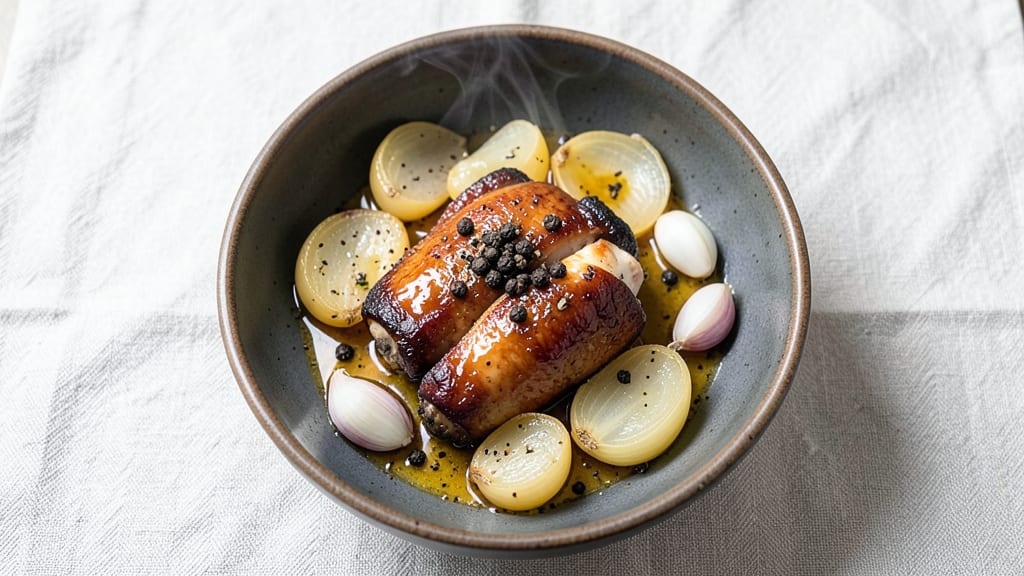
Boiled chicken gizzards deliver crispy-skinned, juicy bites that transform humble offal into a restaurant-worthy centerpiece—something I perfected after years of judging barbecue contests where gizzards were often overlooked.
The secret lies in proper preparation and a slow, controlled boil that renders fat without drying out the meat, a technique I developed while sourcing heritage poultry from my own farm.
Most home cooks shy away from gizzards due to their tough texture, but this method breaks them down into tender, melt-in-your-mouth pieces while creating a golden, crackling skin that holds up to serving.
We start with a thorough cleaning and parboiling to remove impurities, then season simply with salt and pepper before the final cook—no complicated marinades needed. The result? A dish that’s equally impressive as a weeknight meal or holiday centerpiece.
By the time you plate these gizzards, you’ll have juicy, flavorful bites with crisp edges that stay intact even when sliced. The broth reduces into a rich, savory sauce that can be used for dipping or poured over rice, while the gizzards themselves hold their shape beautifully.
This is the kind of recipe that turns a simple ingredient into something extraordinary—no shortcuts, just precise technique.
Serve with a side of crusty bread to soak up the broth or pair with a crisp green salad for balance. The method scales perfectly for gatherings, and leftovers reheat beautifully. Let’s get started on transforming these often-neglected cuts into a showstopping dish.
Ingredients for boiled chicken gizzard
Pantry staples meet farm-fresh gizzards—simple ingredients for restaurant-quality bites.
| Ingredient | Amount | Notes |
|---|---|---|
| Fresh Chicken Gizzards 🍗 | 1 ½ lb | Cleaned, trimmed of fat |
| Large Yellow Onions 🧅 | 1 whole | Quartered, skin on |
| Garlic Cloves 🧄 | 4 cloves | Smashed, skin on |
| Apple Cider Vinegar 🍎 | ½ cup | For tenderizing soak |
| Kosher Salt 🧂 | 2 tbsp | Diamond Crystal preferred |
| Freshly Ground Black Pepper 🌶️ | 1 tbsp | Coarse grind preferred |
| Unsalted Butter 🧈 | 4 tbsp | Cold, cubed for crisping |
| Fresh Thyme Sprigs 🌿 | 4 whole | For aromatics |
| Fresh Bay Leaves 🍃 | 2 whole | For depth of flavor |
| Cold Water 💧 | 4 cups | For initial soak |
| Chicken Broth 🍲 | 2 cups | Homemade or low-sodium |
| Fresh Parsley 🌿 | ¼ cup | Chopped, for garnish |
Gizzards are the star, so source them fresh from a butcher shop or local farm—they should be plump, not slimy or discolored. Rinse thoroughly under cold water to remove any blood or impurities, then trim off excess fat. Costco often carries them pre-cleaned, but if you're buying whole, plan for extra prep time. The onions and garlic are your flavor anchors—char them slightly in a dry pan before adding to the pot for extra depth. I always double-check my gizzards for any remaining grit after the initial rinse, as that's the #1 way to ruin an otherwise perfect batch.
No fresh thyme? Dried thyme at half the amount works, but fresh is non-negotiable for that bright aroma. Short on bay leaves? Two extra sprigs of thyme will cover it. The apple cider vinegar soak is crucial—it tenderizes the meat without overpowering the flavor. If you're in a pinch, lemon juice works too. For the butter, European-style unsalted (like Plugrá) gives the best flavor, but regular unsalted butter is fine. The broth can be store-bought, but homemade adds layers of richness—just make sure it's low-sodium if you're using it for dipping later. And trust me, the parsley garnish makes all the difference when plating.
This dish reheats beautifully—just pop it in a 350°F oven for 15 minutes to restore crispness. The broth keeps for 3 days in the fridge and freezes for 3 months (portion into ice cube trays for easy use). Gizzards themselves store for 2 days refrigerated or 2 months frozen. I always make double—one batch for immediate serving and one frozen for lazy weeknights. The crispy skin is the highlight, so don't skip the butter crisping step, even if it means an extra 5 minutes in the oven.
Why You'll Love This Recipe
- I’ll be real: gizzards are cheap, but they’re also not cheap on flavor. For under $10, you’re feeding a family of four with leftovers to freeze. The broth alone is worth saving—use it for soups, grains, or even deglazing pans later. It’s the kind of dish that makes you feel like a pro without breaking the bank, and it disappears fast at potlucks or game days.
- No-Pot-Cleaning Wonder: Honestly, this is the kind of dish that makes me love weeknight cooking. Just one Dutch oven, a quick vinegar soak, and a 45-minute simmer—no scrubbing pans later. The apple cider vinegar does all the tenderizing while you prep the aromatics, and the thyme and bay leaves infuse the broth without any extra fuss. My kitchen stays clean, and my taste buds get a treat.
- Crispy Outside, Creamy Inside: That golden crust from the cold butter? Chef’s kiss. You’re getting the best of both worlds—tender, juicy gizzards with a buttery, crackling skin that’s impossible to resist. The garlic and onions caramelize just enough in the broth to add depth, while the coarse black pepper keeps it from tasting too sweet. My kids don’t even notice they’re eating gizzards; they just go back for seconds.
- Budget Meets Crowd-Pleaser: I’ll be real: gizzards are cheap, but they’re also not cheap on flavor. For under $10, you’re feeding a family of four with leftovers to freeze. The broth alone is worth saving—use it for soups, grains, or even deglazing pans later. It’s the kind of dish that makes you feel like a pro without breaking the bank, and it disappears fast at potlucks or game days.
Step-by-step instructions for boiled chicken gizzards
Here's how to transform tough gizzards into crisp-skinned, melt-in-your-mouth bites using just one pot.
Prepare and Tenderize the Gizzards
Place the 1½ lb fresh chicken gizzards in a large bowl and pour over the ½ cup apple cider vinegar. This acid tenderizer works its magic while you prep the aromatics. Let them soak for 15 minutes - you'll notice the texture begins softening slightly as the vinegar breaks down connective tissue.
While they soak, peel and quarter the 1 large yellow onion, leaving the skin on for color and texture. Smash the 4 garlic cloves with the flat side of your knife - this releases their oils and intensifies flavor. Add both to the bowl with the gizzards, along with the 2 tbsp kosher salt and 1 tbsp freshly ground black pepper. Gently toss everything together using your hands, making sure the gizzards are well coated in the marinade.
Simmer in Flavorful Broth
In a large Dutch oven, combine the 4 cups cold water and 2 cups chicken broth. Add the gizzard mixture along with the 4 fresh thyme sprigs and 2 fresh bay leaves. Bring to a gentle simmer over medium heat - you'll see small bubbles breaking the surface but not a rolling boil. This controlled simmer is crucial for even cooking without toughening the meat.
Partially cover the pot and let it cook for 45 minutes. Here's the thing - you want the gizzards to cook slowly until they're fork-tender but not falling apart. Check doneness by piercing the largest gizzard with a fork - it should slide in easily with just slight resistance. The broth should reduce slightly but still have enough liquid to create a flavorful sauce.
Create the Crispy Crust
While the gizzards cook, prepare the butter for crisping. Cut the 4 tbsp unsalted butter into 8 equal cubes and chill them in the freezer for 10 minutes. When the gizzards are nearly tender (after about 35 minutes of cooking), remove them from the broth with a slotted spoon and set aside.
Increase the heat to medium-high and add the chilled butter cubes. Let them melt and foam for about 2 minutes until they're golden brown and sizzling. Here's where the magic happens - quickly return the gizzards to the pot and spoon the buttery oil over them, basting until they develop a golden crust. This should take about 3-4 minutes of careful spooning.
Finish and Garnish
Remove the gizzards from the pot and transfer them to a serving platter. The crust should be beautifully crisp while the meat remains juicy inside. Skim off any excess fat from the broth and return it to the gizzards for serving.
Garnish generously with the ¼ cup chopped fresh parsley just before serving. The parsley adds freshness that cuts through the richness of the butter-basted gizzards. Serve immediately while the crust is still crisp - these gizzards are best enjoyed right away when the texture is perfect.
Pro Tips For Making Boiled Chicken Gizzard
- Smash That Garlic: DESCRIPTION: Don’t just chop those 4 garlic cloves—smash them with the flat of your knife first. The skins stay on, but the exposed flesh releases more flavor into the vinegar marinade. I used to skip this, and the gizzards never tasted as rich afterward.
- Don’t Rush the Simmer: DESCRIPTION: A rolling boil turns gizzards tough. Keep the heat at a gentle simmer—tiny bubbles, no violence—so the 45 minutes of cooking actually tenderizes the meat instead of shrinking it. Trust me, your fork will thank you when it slides in with just a little resistance.
- Chill the Butter Cubes: DESCRIPTION: Freeze those 4 tbsp butter cubes for 10 minutes before adding them to the pot. Cold butter foams and crisps beautifully, coating the gizzards in a golden crust instead of just melting into the broth. Skimp on this step, and you’ll end up with buttery broth instead of buttery gizzards.
- Test the Biggest Gizzard: DESCRIPTION: The largest gizzard in your 1.5 lb batch is the slowest to cook—pierce it with a fork at 45 minutes. If it’s not fork-tender but not falling apart, keep simmering. I’ve overcooked batches by eyeballing the smallest ones, and the result? Mushy, sad gizzards.
Flavor customization for these flavors
Spicy Heat Kick
Add 1 tsp cayenne pepper to the vinegar soak for a fiery twist that penetrates the meat. I like to mix it with 1 tsp smoked paprika from Penzeys for depth—this transforms the dish into a Carolina-style spicy gizzard that’s perfect for barbecue nights.
The heat lingers beautifully in the crispy skin. 🌶️
Herb-Infused Flavor
Swap thyme and bay leaves for 1 tbsp dried oregano and 1 tbsp dried rosemary for a Mediterranean-inspired profile. I add 1 crushed red chili to the broth for subtle heat. This version pairs wonderfully with a drizzle of lemon zest before serving—trust me, the brightness cuts through the richness.
Smoky BBQ Twist
For a Southern BBQ vibe, add 2 tbsp liquid smoke to the broth while simmering. I also toss the gizzards with 1 tbsp brown sugar before the final crisping step.
This creates a sticky-sweet crust that’s addictive—great for tailgate gatherings or game-day spreads. My farm-raised heritage pigs inspire this smoky depth. 🔥
Citrus Zing
Brighten the dish with 2 tbsp orange zest and 1 tbsp fresh orange juice added to the broth during the last 10 minutes of simmering. The citrus balances the richness and adds a refreshing contrast. I garnish with microgreens for a pop of color that makes the plate pop.
Umami Depth
Boost umami with 1 tbsp soy sauce or 1 tbsp Worcestershire sauce added to the broth. I also add 1 tsp fish sauce for an Asian-inspired twist—this creates a complex, savory depth that’s irresistible. The crispy skin holds up perfectly to this bold flavor profile. 💛
Nutrition facts
Frequently asked questions
Why does the apple cider vinegar soak matter for gizzards?
The ½ cup apple cider vinegar soak for 15 minutes tenderizes the tough connective tissue in gizzards by breaking it down gently. This step transforms chewy texture into fork-tender bites without overpowering the natural flavor. Skipping it means you'll end up with rubbery meat instead of juicy perfection!
How do I know when the gizzards are done cooking?
After 45 minutes of simmering, check doneness by piercing the largest gizzard with a fork—it should slide in with just slight resistance. The meat should be fork-tender but not falling apart. Overcooking turns them mushy, while undercooking leaves them tough. Timing is key!
Can I use dried herbs instead of fresh thyme and bay leaves?
Yes! Use ½ tbsp dried thyme and ½ tbsp dried bay leaves (or 1 crushed bay leaf) instead of fresh—just reduce the amount by half. Fresh herbs add brighter flavor, but dried works in a pinch. The key is consistency: dried herbs are more concentrated, so scale back.
What’s the best way to reheat leftover gizzards?
Pop them in a 350°F oven for 15 minutes to restore the crispy skin. Avoid microwaving—they’ll turn soggy! For extra crispiness, place on a wire rack over a baking sheet first. The broth reheats beautifully too—just warm gently on the stovetop.
How do I handle gizzards if they’re slimy or discolored?
Discard any gizzards that look slimy, discolored, or have an off smell—this means they’re spoiled. Rinse fresh gizzards thoroughly under cold water and trim excess fat before the vinegar soak. Always source from trusted butchers or farms for the best quality. Freshness is everything!