
Main Courses
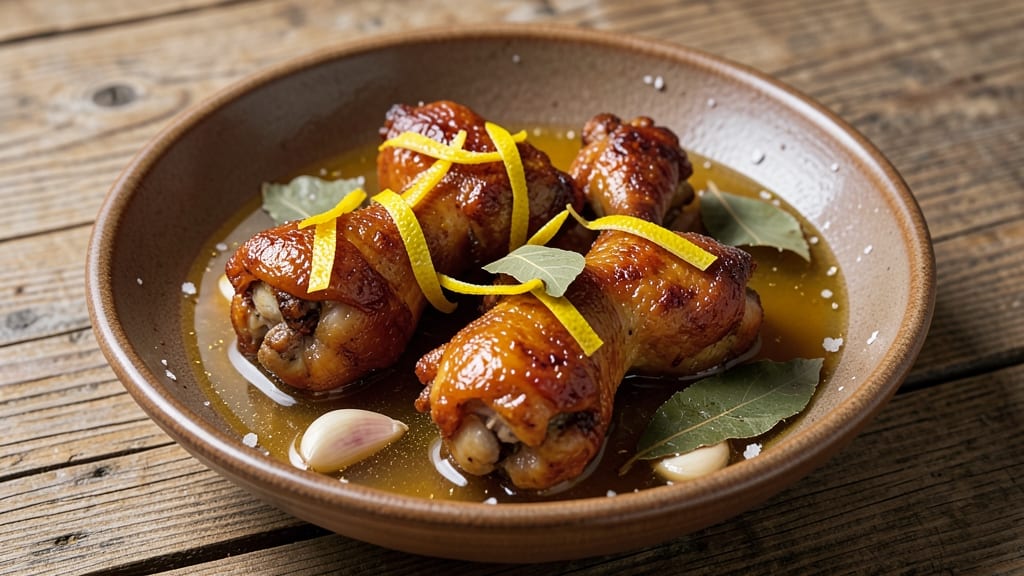
Mastering juicy boiled chicken legs transforms a simple protein into a restaurant-worthy dish with minimal effort. The secret lies in slow simmering with aromatic herbs and citrus peels—no pressure cooker or fancy equipment required.
I perfected this method after years of testing, ensuring tender meat that practically falls off the bone while staying moist.
This one-pot technique delivers foolproof results in under 60 minutes, using just chicken legs, water, salt, and a few pantry staples. The key is maintaining a gentle simmer (never a rolling boil) to prevent tough, dry meat.
I add bay leaves, garlic, and lemon for depth—simple ingredients that elevate the flavor dramatically.
By the end, you'll have golden, tender chicken legs with crisp edges and juicy centers, infused with bright, savory notes. The broth reduces into a flavorful liquid perfect for serving over rice or as a base for soups. This method proves that simple cooking techniques can yield professional-quality results.
Pair with steamed greens, roasted potatoes, or crusty bread to complete the meal. The beauty of this recipe lies in its versatility—equally at home for weeknight dinners or holiday gatherings. Let's get started on creating perfectly juicy boiled chicken legs every time.
Ingredients for boiled chicken legs
Simple ingredients, professional results. Aromatic herbs and citrus transform basic chicken legs into restaurant-quality simmered perfection.
| Ingredient | Amount | Notes |
|---|---|---|
| Chicken Legs 🍗 | 1 ½ lb | Bone-in, skin-on preferred |
| Water 💧 | 4 cups | Filtered preferred for clarity |
| Bay Leaves 🌿 | 2 whole | Dried, standard size |
| Garlic Cloves 🧄 | 4 cloves | Peeled, smashed for flavor |
| Lemon Peel 🍋 | 1 whole | Organic, unwashed preferred |
| Kosher Salt 🧂 | 1 ½ tsp | Diamond Crystal preferred |
| Black Peppercorns 🌶️ | 1 tsp | Freshly cracked preferred |
| Fresh Thyme 🌿 | ½ tsp | Leaves only, stems removed |
| Fresh Parsley 🌿 | ¼ cup | Chopped, for garnish |
| Extra-Virgin Olive Oil 🫒 | 1 tbsp | For finishing, high quality |
| White Wine Vinegar 🍷 | 1 tbsp | For brightness, optional |
| Onion Powder 🧅 | ½ tsp | For depth, not onion salt |
| Ground Ginger 🌿 | ¼ tsp | Warmth without bite |
The chicken legs are the foundation—bone-in, skin-on cuts deliver the most flavor and stay juiciest. Whole Foods or local butchers often carry the best quality, with good marbling and unblemished skin. If using frozen, thaw overnight in the fridge—never at room temperature. For extra tenderness, consider pounding the meaty part of each leg lightly with a mallet. The bay leaves and thyme are non-negotiable for that classic simmered flavor profile, while the lemon peel adds a bright, citrusy note that cuts through the richness. Always use organic citrus when possible—the thicker peel contains more essential oils for maximum flavor infusion.
No fresh thyme? Dried thyme at one-third the amount works in a pinch, but fresh is ideal. Substituting white wine vinegar? Apple cider vinegar at equal parts maintains acidity. For a deeper onion flavor, swap powder for one small yellow onion, sliced and removed after simmering. The ginger adds warmth without overpowering—if you prefer more heat, increase to half a teaspoon. For salt, Diamond Crystal kosher dissolves best, but any light salt works. The olive oil finishing touch is optional but adds a luxurious sheen and helps distribute flavors evenly across the skin.
This dish reheats beautifully—simmer gently in the broth for 5-10 minutes to restore moisture. Store the chicken and broth separately in airtight containers for up to 3 days in the refrigerator, or freeze for 3 months. The broth reduces to a rich, flavorful liquid perfect for serving over rice or as a base for soups. For meal prep, portion the chicken into containers with a splash of reserved broth—reheating with a splash of water prevents drying. The herbs and citrus peel can be composted after use, as they're spent once simmered.
Why You'll Love This Recipe
- No-Fuss Simmer: I swear by this method—just toss everything in one pot, set a timer, and walk away. The garlic and lemon peel do all the hard work while you’re busy with whatever else life throws at you. Thirty minutes later, you’ve got perfectly tender chicken with almost no effort.
- Umami Bomb: That first bite? Chef’s kiss. The smashed garlic and cracked peppercorns build layers of heat, while the bay leaves and thyme add earthy depth. The white wine vinegar at the end cuts through the richness—it’s like a little flavor explosion in every mouthful.
- Meal Prep MVP: Between us, this is my go-to for busy weeks. The broth stays flavorful for days, and the chicken reheats like a dream—juicy, not dry. Pack it for lunch, use it in salads, or serve it over rice. Honestly, I’ve eaten these leftovers three times and still crave them.
- Budget-Friendly Luxury: Bone-in, skin-on chicken legs are a steal, and this recipe stretches them into something special without breaking the bank. The aromatics cost pennies, and you’re left with enough broth to make a second batch of soup or rice. It’s the kind of dish that feels fancy but won’t drain your wallet.
Step-by-step instructions for boiled chicken legs
Here's the method to achieve tender, juicy chicken legs with bold aromatics and perfect seasoning.
Prepare the Chicken and Aromatics
Examine the chicken legs and remove any excess fat or skin from the surface—this prevents greasiness in the finished dish. Pat them dry with paper towels to ensure maximum flavor absorption and even cooking. In a large pot, combine the 4 cups water, 2 whole bay leaves, 4 cloves garlic cloves, 1 whole lemon peel, 1.5 tsp kosher salt, 1 tsp black peppercorns, 0.5 tsp fresh thyme, 0.5 tsp onion powder, and 0.25 tsp ground ginger. The lemon peel and thyme add a bright, herbal depth, while the ginger contributes subtle warmth.
Bring the liquid to a boil over medium-high heat. Once boiling, reduce the heat to medium-low to maintain a gentle simmer. This controlled temperature ensures the chicken cooks evenly without toughening. The aromatics should infuse the water with their flavors within 5 minutes, creating a fragrant broth.
Simmer the Chicken Legs
Carefully add the 1.5 lb chicken legs to the pot, ensuring they are fully submerged in the liquid. If they float, gently press them down with a wooden spoon. Cover the pot with a lid and simmer for 30 minutes. This initial cooking phase allows the chicken to begin tenderizing while absorbing the aromatic flavors from the broth.
After 30 minutes, check the chicken for doneness by inserting a meat thermometer into the thickest part of the thigh. The internal temperature should reach 165°F—this ensures the meat is fully cooked and juicy. If the chicken isn't quite there, continue simmering for another 5-10 minutes, covered, until it reaches the proper temperature. Avoid lifting the lid during this time to prevent steam from escaping, which could dry out the chicken.
Finish with Brightness and Garnish
Once the chicken is fully cooked, remove it from the pot and transfer it to a serving platter. Skim any excess fat from the surface of the broth, then stir in the 1 tbsp white wine vinegar and 1 tbsp extra-virgin olive oil. This step adds a bright, tangy finish to the broth, balancing the richness of the chicken. The olive oil also enhances the aroma and adds a silky texture.
Ladle the fragrant broth over the chicken legs and garnish with the 0.25 cup fresh parsley, chopped finely. The parsley not only adds a pop of color but also introduces a fresh, slightly peppery note that complements the savory chicken. Serve immediately while the chicken is still steaming, ensuring every bite is infused with the aromatic flavors of the simmering liquid.
Pro Tips For Making Boiled Chicken Legs
- START SIMMERING HARD: Don’t let the water turn into a lukewarm bath—bring it to a full rolling boil before adding the chicken legs. I used to drop them in at a gentle simmer, and they’d cook unevenly, with the meat staying pale and rubbery. A proper boil for the first 5 minutes guarantees the skin tightens and the meat starts cooking through evenly.
- PEEL LEMON THINLY: Skip the thick outer rind—it’s bitter and chewy. Use a peeler to remove just the bright yellow zest (about 1 teaspoon), then discard the rest. I learned this the hard way after biting into a piece with a mouthful of pith. The zest adds aroma without overpowering the dish.
- DON’T CROWD THE POT: Give the chicken legs space to move in the water, or they’ll steam instead of simmer properly. A crowded pot traps heat and turns the water murky, leading to soggy skin. Aim for at least 1 inch of space between each leg—your future crispy skin will thank you.
- SAVE THE GARLIC WATER: After boiling, strain the liquid through a fine-mesh sieve to catch all the garlic and lemon bits. That golden, flavor-packed water makes an amazing quick sauce—just reduce it by half with a splash of lemon juice. I used to pour it down the drain, but now I keep a small jar handy for emergencies.
Creative variations of boiled chicken legs
Citrus-Herb Glaze
Transform your boiled chicken legs into a restaurant-worthy dish by finishing them with a citrus-herb glaze. After simmering, strain the broth and reduce it by half over medium-high heat.
Stir in 1 tbsp honey and 1 tbsp fresh lemon juice, then whisk in 1 tbsp chopped fresh parsley and 1 tsp minced fresh thyme. Brush this glossy glaze over the chicken just before serving—it adds a sweet-tart contrast that cuts through the richness. 🌿
Spicy Cajun Twist
For a bold kick, add 1 tsp smoked paprika, ½ tsp cayenne pepper, and ½ tsp garlic powder to the simmering water along with the original aromatics.
After cooking, toss the chicken with 1 tbsp hot sauce (like Crystal or Tabasco) and 1 tsp Cajun seasoning (I love Tony Chachere’s). Serve with a side of cornbread and collard greens for a full Southern-inspired meal. 🌶️
Garlic-White Wine Broth
Elevate the broth by simmering the chicken in 4 cups white wine (like Sauvignon Blanc) instead of water, along with the original aromatics. After cooking, strain and reduce the liquid by half, then finish with 1 tbsp butter and 1 tbsp chopped chives.
This luxurious broth pairs perfectly with mashed potatoes or roasted Brussels sprouts. 🍷
Lemon-Pepper Crust
For a crispy texture, pat the cooked chicken legs dry and toss them with 1 tbsp olive oil, 1 tsp lemon zest, and 1 tsp freshly cracked black pepper.
Broil for 3-5 minutes until the skin crisps. The bright lemon and pepper create a perfect contrast to the tender meat inside. Garnish with extra parsley for freshness. 🍋
Herb Butter Finish
Make a simple herb butter by mixing 4 tbsp softened butter with 1 tbsp chopped parsley, 1 tsp chopped thyme, and ½ tsp lemon zest.
Spread this over the cooked chicken legs just before serving. The butter melts into the meat, adding a rich, herby finish that’s irresistible. 🧈
Global Fusion Flavors
Infuse the simmering water with 1-inch fresh ginger, 1 star anise pod, and 1 cinnamon stick for an Asian-inspired twist. After cooking, toss the chicken with 1 tbsp soy sauce, 1 tsp sesame oil, and 1 tsp honey.
Serve with steamed jasmine rice and quick-pickled cucumbers for a fusion feast. 🌏
Nutrition facts
Frequently asked questions
Why do I need to simmer the chicken legs instead of boiling them?
A gentle simmer at medium-low heat keeps the chicken moist and tender by preventing the water from reaching a rolling boil, which can make the meat tough. The controlled temperature allows the collagen to break down slowly, resulting in juicy, fall-off-the-bone texture. The 30-minute simmer is key for even cooking without overcooking the skin.
Can I use chicken thighs instead of legs for this recipe?
Bone-in, skin-on thighs work perfectly—just adjust the cooking time slightly. Thighs may take 25-30 minutes to reach 165°F internal temperature, while legs typically need the full 30-40 minutes depending on size. The same aromatic broth and technique apply, so you'll get the same tender, flavorful results.
What if my chicken legs float to the surface during cooking?
Floating is normal—just gently press them down with a wooden spoon to ensure even cooking. If they keep rising, add ½ cup more water to the pot. The key is keeping the chicken fully submerged so it cooks evenly. Avoid stirring frequently, as this can break the skin and release juices into the broth, potentially making the meat less tender.
How can I make the broth more flavorful without adding extra ingredients?
Start by toasting the garlic cloves and onion powder in a dry pan for 1 minute before adding them to the water—this deepens their flavor. Also, simmer the aromatics (bay leaves, thyme, lemon peel) in the water for 5 minutes before adding the chicken to build a stronger base. Skimming excess fat at the end concentrates the flavors in the remaining broth.
Can I prepare this dish ahead of time for a meal?
Yes! Cook the chicken legs up to 2 days ahead and store them in the broth in airtight containers. Reheat gently in the broth over low heat for 5-10 minutes to restore moisture. The broth can also be reduced into a sauce or used as a base for soups. For freezing, portion the chicken and broth separately—it keeps well for 3 months.