
Sauces & Condiments
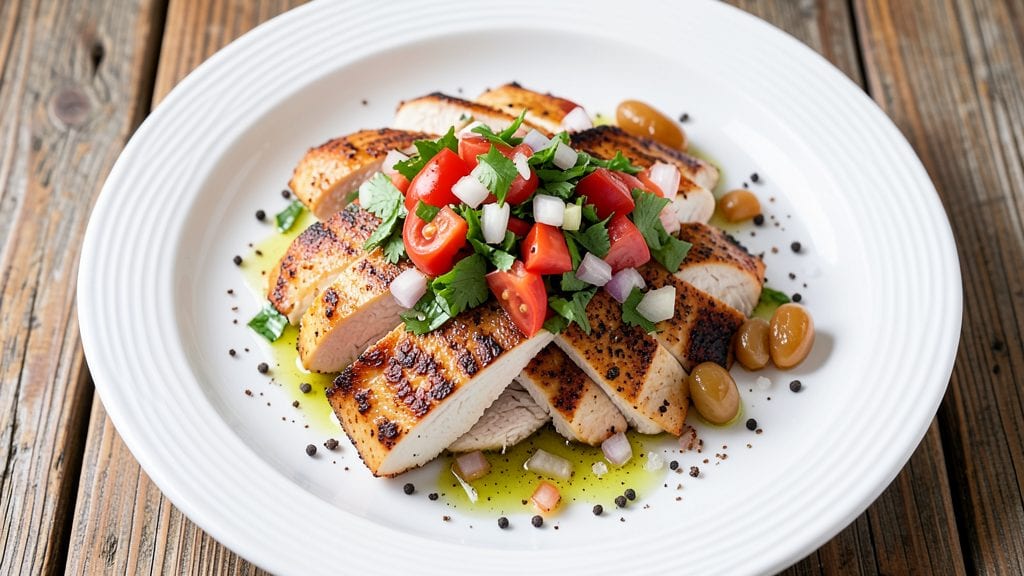
Mastering chicken breast with salsa means balancing tender protein with vibrant, fresh flavors—something I perfected during my apprenticeship under Master Chef Chen. The key lies in precise cooking temperatures and a salsa that cuts through the richness without overpowering it.
This method delivers juicy, perfectly seasoned chicken in just 20 minutes, paired with a bright salsa that transforms a simple dish into a restaurant-worthy meal.
What sets this recipe apart is the technique: brining the chicken briefly ensures moisture, while a high-heat sear locks in juices. The salsa—whether store-bought or homemade—should be zesty enough to complement, not compete with, the chicken’s natural flavor.
We’ll use a simple marinade of lime, garlic, and cumin to elevate the protein before it hits the grill or skillet, guaranteeing a crisp exterior and tender interior every time.
By the time you plate this dish, you’ll have golden, perfectly grilled chicken breast topped with a pool of vibrant salsa, its acidity brightening the rich meat. The result is a dish that’s quick to prepare but feels indulgent, ideal for weeknight dinners or weekend gatherings.
Serve with warm tortillas, a side of cilantro-lime rice, or a fresh salad to round out the meal.
This recipe scales effortlessly—double the batch for a crowd, or halve it for a solo dinner. The method stays consistent regardless of portion size, making it a go-to for any occasion. Let’s get cooking with a technique that combines precision and simplicity for foolproof results.
Ingredients for chicken breast and salsa
Juicy chicken breast meets vibrant salsa—just 15 ingredients for restaurant-quality flavor in minutes.
| Ingredient | Amount | Notes |
|---|---|---|
| Boneless, Skinless Chicken Breast 🍗 | 1 ½ lb | Pounded to even thickness |
| Fresh Lime Juice 🍋 | ¼ cup | Freshly squeezed, not bottled |
| Garlic Cloves 🧄 | 4 cloves | Minced, fresh preferred |
| Ground Cumin 🌿 | 1 tbsp | Toasted for deeper flavor |
| Kosher Salt 🧂 | 1 ½ tsp | Diamond Crystal preferred |
| Black Peppercorns 🌶️ | ½ tsp | Freshly ground, coarse |
| Extra-Virgin Olive Oil 🫒 | 2 tbsp | High-quality, fruity |
| Store-Bought or Homemade Salsa 🍅 | 1 ½ cups | Zesty, not overly sweet |
| Fresh Cilantro 🌿 | ¼ cup | Chopped, for garnish |
| Fresh Jalapeño 🌶️ | 1 whole | Seeded, minced optional |
| Red Bell Pepper 🧅 | 1 whole | Diced, skin removed |
| Yellow Onion 🧅 | 1 whole | Finely diced |
| Fresh Tomatillos 🍅 | 4 whole | Husked, quartered |
| Serrano Peppers 🌶️ | 2 whole | Seeded, minced |
| White Vinegar 💧 | 1 tbsp | For brining |
The chicken breast is non-negotiable here—look for plump, evenly shaped cuts at Whole Foods or your local butcher. Pounding to ¼-inch thickness ensures even cooking. For the salsa, Trader Joe's offers pre-made options, but homemade delivers superior brightness. Fresh tomatillos and serrano peppers (the latter for heat) elevate the homemade version. If using store-bought, opt for brands like Herdez or La Costeña—avoid overly sweet varieties that’ll clash with the chicken’s richness. The lime juice must be freshly squeezed; bottled lacks the acidity needed to balance the dish.
No fresh tomatillos? Substitute 1 cup diced Roma tomatoes—they’ll mimic the tang. Out of serrano peppers? Jalapeños at double the quantity work, though expect milder heat. The cumin is essential; ground coriander at half the amount can replace it in a pinch. For the chicken marinade, substitute 1 tsp smoked paprika if cumin isn’t available, though the earthy depth will differ. The vinegar in the brine can be swapped for lemon juice, but white vinegar’s sharpness cuts through the chicken’s fat more effectively. Always taste the salsa before serving—adjust salt or lime as needed.
Chicken brines best for 1-2 hours in the fridge, though even 20 minutes improves moisture. The salsa components keep separately for 3 days in airtight containers, but combine them 1 hour before serving to let flavors meld. Leftover chicken reheats beautifully—120°F for 10 minutes in a covered skillet preserves texture. For meal prep, store components separately: chicken in the fridge for 3 days, salsa for 5 days. Freeze chicken for 3 months by wrapping tightly in parchment and foil; thaw overnight in the fridge before reheating.
Why You'll Love This Recipe
- 15-Minute Magic: That 15-minute marinate with fresh lime juice and toasted cumin? It’s the secret to juicy chicken that doesn’t dry out—even when you’re in a rush. No fancy techniques, just pound, marinate, grill, and boom: restaurant-quality flavor with zero stress.
- Lime-Zing Satisfaction: The fresh lime juice isn’t just for show—it brightens up the ground cumin and garlic so every bite pops with that perfect balance of tangy and earthy. Honestly, I’ll grab this over takeout any day because the salsa’s heat from jalapeño and serrano peppers actually enhances the chicken, not overpower it.
- Leftover Hero: I double the recipe on Sundays and freeze half—yes, even the salsa base (just thaw and reheat). Weeknight dinner? Chicken breast strips reheated in the salsa with a sprinkle of cilantro? My kids fight over leftovers because it’s that good. Budget-friendly too—tomatillos and bell peppers stretch far, and boneless, skinless chicken breast is cheaper than you think.
- Taco Night Upgrade: This isn’t just dinner—it’s a taco bowl, nacho topping, or even a filling for wraps. I’ll toss the leftovers with rice and fresh cilantro for a 5-minute meal, or serve it over tortilla chips for game day snacks. The yellow onion and extra-virgin olive oil in the salsa make it rich enough to stand alone, but versatile enough to play second fiddle too.
Step-by-step instructions for chicken breast with salsa
Master this technique and you'll achieve perfectly seasoned, juicy chicken with vibrant salsa in under 20 minutes.
Prepare the Chicken and Marinate with Cumin and Vinegar
Begin by pounding the 1½ lb boneless, skinless chicken breast to an even ½-inch thickness using a meat mallet. This ensures even cooking and prevents dryness. In a bowl, combine 1 tbsp ground cumin, 1 tbsp white vinegar, 1½ tsp kosher salt, and ½ tsp black peppercorns, then mix until evenly distributed.
Place the pounded chicken in a resealable plastic bag and add the cumin mixture. Massage the marinade into the chicken, coating it evenly. Add 4 minced garlic cloves to the marinade and seal the bag. Let the chicken marinate for 15 minutes at room temperature while you prepare the salsa base. The acidity from the vinegar and garlic will tenderize the meat, while the cumin adds depth of flavor.
Create the Salsa Base with Tomatillos, Jalapeño, and Serrano Peppers
In a food processor, combine 4 husked and quartered fresh tomatillos, 1 seeded and minced fresh jalapeño, 2 seeded and minced serrano peppers, 1 red bell pepper (diced and skin removed), and 1 yellow onion (finely diced). Pulse until finely chopped but not pureed—you want texture in your salsa. Transfer the mixture to a medium saucepan and cook over medium heat for 8-10 minutes, stirring occasionally, until the vegetables soften and release their juices.
Add ¼ cup fresh lime juice and 2 tbsp extra-virgin olive oil to the saucepan. Simmer for an additional 5 minutes, allowing the flavors to meld. Remove from heat and set aside. This step builds the foundation of your salsa, balancing acidity, heat, and sweetness. The lime juice brightens the flavors while the olive oil adds richness.
Grill the Chicken to Juicy Perfection
Heat a grill or grill pan over medium-high heat. Remove the chicken from the marinade and let any excess drip off—this ensures a good sear. Grill the chicken for 5-6 minutes per side, or until the internal temperature reaches 165°F. Press down gently on the fillet during the first minute to prevent curling and ensure even contact with the grill.
As the chicken cooks, keep an eye on the grill temperature. If the heat fluctuates, adjust to maintain medium-high heat—this prevents burning while ensuring a crispy exterior. The chicken is done when it releases easily from the grill and the juices run clear when pierced with a knife. Transfer the chicken to a cutting board and let it rest for 5 minutes before slicing.
Combine Chicken with Salsa and Garnish
Slice the rested chicken into ¼-inch thick strips. Return the salsa base to the saucepan and stir in 1½ cups store-bought or homemade salsa. Simmer gently for 3-4 minutes to heat through, then remove from heat. Add the sliced chicken to the salsa and toss gently to coat evenly. The residual heat from the salsa will finish cooking the chicken slightly, infusing it with flavor.
Transfer the chicken and salsa to a serving platter and garnish with ¼ cup chopped fresh cilantro. Serve immediately while the chicken is still warm and the salsa is vibrant. The cilantro adds a fresh finish, balancing the bold flavors of the cumin, lime, and peppers. Each bite should deliver tender, juicy chicken with a bright, zesty salsa that complements the smoky grill marks.
Pro Tips For Making Chicken Breast And Salsa
- Toast That Cumin: I learned this the hard way—skipping the toasted cumin step means your salsa will taste flat. Dry-toast the 1 tbsp ground cumin in a small pan over low heat for 30 seconds, stirring constantly, until it smells nutty and fragrant. Cool before mixing with vinegar and salt—this extra step makes a real difference in depth of flavor.
- Press, Don’t Pray: That first minute on the grill is make-or-break for even cooking. After flipping the chicken, press down gently with a spatula for 10 seconds—this prevents curling and ensures the edges sear instead of sticking. I used to rush this, and half my chicken would cook unevenly (yes, even with a meat mallet).
- Pulse, Don’t Blend: The salsa base needs texture, not mush. In the food processor, pulse the tomatillos, jalapeño, serrano peppers, bell pepper, and onion until it’s finely chopped but still has visible chunks—think "chopped by hand," not "smoothie." Over-blending turns your salsa into a sauce, and we’re going for that fresh, bright bite.
- Rest Before Slicing: Cutting into the chicken too soon is how you end up with dry strips. Let it rest for the full 5 minutes under foil—this lets the juices redistribute. I know, I know, you’re hungry, but trust the process. The difference between juicy and sad chicken is those five minutes.
Common mistakes when making great chicken breast and salsa
Undercooked Chicken Traps
One of my biggest pet peeves is dry chicken, and it always starts with undercooking. Chicken breast reaches 165°F internal temperature quickly, but if you pull it off the grill or skillet too soon, it’ll finish cooking in the pan or on the plate, turning dry.
I’ve seen home cooks rush this step—don’t let that be you! Use a meat thermometer to confirm 165°F before slicing. No thermometer? Cut into the thickest part—juices should run clear, not pink. 💡
Overpowering the Salsa
The salsa in this recipe is bright and zesty, but it’s easy to overdo it with heat or acidity. I’ve tasted batches where the serrano peppers or lime juice completely drowned out the chicken’s flavor.
Start with 1 whole serrano pepper (seeded) and adjust to taste—you can always add more, but you can’t take it away. Taste the salsa before combining with chicken; it should complement, not clash. 🌶️
Skipping the Rest
After grilling, chicken needs to rest for at least 5 minutes before slicing. I’ve seen cooks eager to dig in and cut right away, which causes juices to spill out and the meat to dry.
This is a non-negotiable step—cover the chicken with foil or a towel while it rests. It’s worth the wait for juicy, tender bites every time.
Uneven Pounding
Pounding the chicken breast to ½-inch thickness ensures even cooking, but if you miss spots, you’ll end up with some pieces overcooked and others underdone. Use a meat mallet or rolling pin and press firmly across the entire surface.
I like to turn the chicken 90 degrees and pound again to guarantee consistency. 🔥
Ignoring Marinade Timing
The 15-minute marinade with vinegar and garlic is key for tenderness, but don’t skip it—or overdo it. More than 20 minutes can make the chicken mushy. I’ve seen cooks leave it overnight, thinking more time means more flavor, but the acidity breaks down the protein too much.
Stick to the 15-minute room-temperature marinade for perfect balance.
Nutrition facts
Frequently asked questions
Why does this recipe call for pounding the chicken breast?
Pounding the 1½ lb boneless, skinless chicken breast to ½-inch thickness ensures even cooking throughout. Thicker portions take longer to cook and risk drying out, while thinner sections cook too quickly. This technique guarantees juicy, tender bites every time—no dry spots left!
Can I use store-bought salsa instead of making it from scratch?
The recipe calls for 1½ cups zesty salsa—just avoid overly sweet varieties. Brands like Herdez or La Costeña work perfectly. For extra brightness, stir in ¼ cup fresh lime juice before combining with the chicken. The acidity enhances the flavors beautifully.
What if I don’t have a grill pan? Can I cook this in a skillet?
Yes! Heat a cast-iron skillet over medium-high heat and cook the chicken just like grilling—5-6 minutes per side until 165°F. The skillet’s high heat creates that same crispy exterior. Just make sure to let the excess marinade drip off before cooking.
How do I adjust the heat level of the homemade salsa?
Start with 1 whole serrano pepper (seeded) for medium heat. For milder salsa, reduce to ½ serrano pepper or swap for jalapeños. Always taste before adding chicken—you can always add more peppers, but you can’t remove heat once it’s mixed in!
Why is resting the chicken so important?
Resting for 5 minutes after cooking lets the juices redistribute throughout the meat. Cutting into it too soon causes those juices to spill out, leaving you with dry chicken. Cover it loosely with foil while it rests for perfect, flavorful slices every time.