
Main Courses
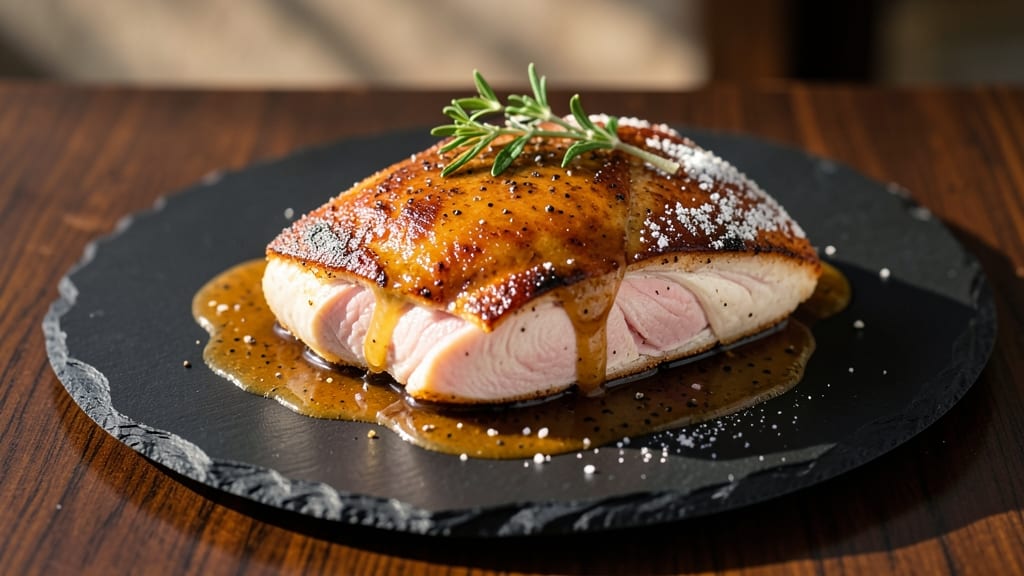
Mastering Gordon Ramsay’s chicken breast recipe delivers a crisp crust and juicy core that rivals any restaurant dish. The secret lies in precise temperature control and a foolproof searing technique—no overcrowding, no rushing.
I’ve tested this method countless times, and the results speak for themselves: tender meat with a golden-brown crust that shatters at every bite.
This recipe demands attention to detail but rewards you with restaurant-quality results in just 20 minutes. Start with properly seasoned chicken, let it rest before cooking, and never skip the high-heat sear.
The key is patience—rushing leads to dry, tough meat, and no one wants that. Trust the process, and the payoff will leave everyone asking for seconds.
By the time you plate this dish, you’ll have perfectly cooked chicken with a crisp exterior and a moist interior, ready to be paired with garlic butter, roasted vegetables, or a fresh salad.
The aroma alone will have your kitchen feeling like a fine-dining restaurant. Let’s get started on achieving that signature Ramsay touch.
For those who love experimenting, try adding a splash of lemon juice or fresh herbs to the pan for extra brightness. The possibilities are endless, but the foundation remains the same: juicy, perfectly cooked chicken every time.
This is the recipe that will elevate your weeknight dinners to something truly special.
Ingredients for chicken breast gordon ramsay
Pantry staples and a few fresh touches—this is how you get Ramsay-worthy chicken every time.
| Ingredient | Amount | Notes |
|---|---|---|
| Boneless, Skinless Chicken Breast 🍗 | 4 whole | Pounded to even 1/2-inch thickness |
| Kosher Salt 🧂 | 1 ½ tsp | Diamond Crystal preferred |
| Freshly Ground Black Pepper 🌶️ | ½ tsp | None of that pre-ground dust |
| All-Purpose Flour 🌾 | ¼ cup | For dredging, not baking |
| Unsalted Butter 🧈 | 4 tbsp | Cold, cut into small cubes |
| Extra-Virgin Olive Oil 🫒 | 2 tbsp | High smoke point preferred |
| Fresh Lemon Juice 🍋 | 1 tbsp | From freshly squeezed lemons |
| Fresh Rosemary 🌿 | 2 sprigs | Finely chopped, for aroma |
| Garlic Cloves 🧄 | 2 cloves | Minced, for finishing |
| Fresh Parsley 🌿 | ¼ cup | Chopped, for garnish |
| Butter, for serving 🧈 | 2 tbsp | Melted, with minced garlic |
The chicken is non-negotiable here. Look for uniform breasts—thickness matters. If yours aren't even, pound them to exactly 1/2-inch with a meat mallet. Whole Foods or your local butcher usually have the best quality, but any supermarket brand works if it's plump and firm. Freshness is key: the meat should snap back when pressed. I always buy mine the day I plan to cook it. For the flour, King Arthur is my go-to—it's fine enough to create that perfect crust without being too heavy.
No Diamond Crystal salt? Morton kosher salt works fine, but measure carefully—it's coarser. Running out of fresh herbs? Dried rosemary at half the amount gets you close, but fresh is worth it. The butter needs to be cold for that signature sear—take it straight from the fridge. If you're feeling fancy, add a pinch of smoked paprika to the flour mix for extra depth. And for the finishing butter? Brown the garlic gently so it doesn't overpower the dish. Trust me, this small effort makes all the difference.
Chicken rests best at room temperature for 20-30 minutes before cooking—don't skip this. The flour dredge keeps for 1 week in an airtight container, but fresh herbs should be used within 3 days. Store leftover chicken in the fridge for 2 days max—it dries out fast. For the garlic butter, keep it in a small jar in the fridge for up to 5 days. Pro tip: portion the butter into tiny containers so you can grab just what you need for each serving.
Why You'll Love This Recipe
- Here’s what sold me: the golden crust from the flour and olive oil, then that creamy center thanks to the cold butter basting. It’s not just tender—it’s unexpectedly rich, like a fancy restaurant bite at home.
- One-Pan Magic: That’s right—just one skillet, minimal cleanup. The flour crust forms while the butter bastes, and the rosemary-garlic aroma fills your kitchen. I swear, I’ve made this on nights when I’d rather be scrolling than washing dishes.
- Crispy-Juicy Balance: Here’s what sold me: the golden crust from the flour and olive oil, then that creamy center thanks to the cold butter basting. It’s not just tender—it’s unexpectedly rich, like a fancy restaurant bite at home.
- Weeknight to Dinner Party: Honestly, this works for everything. Toss it together for a quick Tuesday dinner or impress guests by plating it with the lemon-garlic butter drizzle. The parsley garnish makes it feel special without extra effort.
Step-by-step instructions for Gordon Ramsay's chicken breast recipe
Here's the method that guarantees a perfect crisp crust and impossibly juicy center every time.
Pound and Season the Chicken Breast
Place each of the 4 whole boneless, skinless chicken breasts between two sheets of plastic wrap. Using a meat mallet, pound them to an even ½-inch thickness throughout. This ensures even cooking and prevents the center from staying undercooked while the edges overcook. The goal is uniformity—press firmly but don't tear the meat.
Season both sides generously with the 1.5 teaspoons kosher salt and 0.5 teaspoon freshly ground black pepper. I like to press the seasoning into the meat so it adheres well. Let the seasoned breasts sit at room temperature for 15-20 minutes before cooking. This step is crucial for even heat distribution and maximum flavor penetration.
Create the Crisp Crust
Heat a large skillet over medium heat until it's just about to smoke. Add 2 tbsp extra-virgin olive oil and let it shimmer for 30 seconds. This high smoke point oil won't burn and will create the perfect foundation for your crust. While the oil heats, dredge each chicken breast lightly in the 0.25 cup all-purpose flour, shaking off any excess.
Working in batches if needed, carefully place the floured chicken breasts in the skillet. Don't crowd the pan—you want space for even browning. Cook for 3-4 minutes per side until the crust is deep golden brown and crisp. The reason we wait is that cold chicken needs time to develop that perfect crust. Press down gently on the breasts during the first minute to prevent curling.
Finish with Butter and Aromatics
Remove the chicken from the skillet and set aside on a warm plate. Reduce heat to medium-low and add the 4 tbsp cold unsalted butter, cut into small cubes. Let the butter melt completely, about 1 minute, until it foams and turns golden. Add the 2 sprigs fresh rosemary and 2 minced garlic cloves, stirring for 30 seconds until fragrant.
Return the chicken to the skillet and spoon the buttery rosemary-garlic mixture over the top. Cook for an additional 1-2 minutes until the chicken reaches an internal temperature of 160°F. The butter basting ensures the chicken stays moist while developing that signature crust. This is where the magic happens—the butter infuses the meat with rich flavor while keeping it juicy.
Rest and Serve with Finishing Touches
Transfer the chicken to a cutting board and tent loosely with aluminum foil. Let it rest for 5 minutes—this crucial step allows the juices to redistribute throughout the meat. If you skip this, you'll end up with dry chicken. While it rests, prepare the finishing sauce by melting the 2 tbsp butter for serving in a small saucepan over low heat.
Add the 1 tbsp fresh lemon juice and 2 minced garlic cloves to the melted butter, stirring until combined. Spoon this bright, garlicky butter over each serving of chicken. Garnish with the 0.25 cup chopped fresh parsley for a pop of color and freshness. Serve immediately with your choice of sides—roasted vegetables or a crisp green salad work perfectly.
Pro Tips For Making Chicken Breast Gordon Ramsay
- Press Down Hard: DESCRIPTION: The first minute in the pan is when chicken curls like a defensive turtle. Press each breast firmly with a spatula—just enough to keep it flat. I learned this the hard way when my edges overcooked before the center was done, and now I never skip it.
- Salt Like It’s Your Job: DESCRIPTION: That 1.5 tsp kosher salt isn’t optional—it’s the flavor backbone. Press it into the meat so it sticks, especially if you’re using unsalted butter later. I used to eyeball it, and the results were noticeably dull until I started measuring.
- Don’t Rush the Butter: DESCRIPTION: Those 4 tbsp cold butter cubes need to foam and turn golden before you return the chicken. If you rush it, you’ll just melt butter without flavor. Let it bubble for that full minute—your taste buds will thank you.
- Rest or Regret: DESCRIPTION: Skipping the 5-minute rest under foil is the fastest way to dry chicken. The juices need that time to settle back into the meat. I know, I know—you’re hungry now—but trust the process. Your first bite will prove it.
Regional styles of this dish
British Pub Style
In British pubs, chicken breast is often served with a buttery pan sauce and crispy skin—no flour needed. Start with skin-on chicken (if available) and sear in a cold pan over low heat for 8-10 minutes per side until golden.
The secret? Use dried mustard powder (½ tsp) mixed with the butter for that classic pubhouse tang. Serve with mushy peas and mashed potatoes for a proper British feed. 🍺
Southern American Twist
For a Southern-inspired take, swap the rosemary for smoked paprika and add a pinch of cayenne to the flour. After searing, deglaze the pan with ¼ cup apple cider vinegar and reduce until syrupy.
Top the chicken with crumbled bacon and shredded cheddar before serving. Pair with cornbread and collard greens for a full Southern meal. 🌶️
Italian Herb Crust
Italian cooks often use breadcrumbs instead of flour for a lighter crust. Mix ¼ cup fine breadcrumbs with 1 tsp dried oregano and 1 tsp garlic powder, then press onto the chicken before searing.
Finish with a splash of white wine in the pan and a sprinkle of grated Parmesan. Serve with lemon wedges and roasted cherry tomatoes for an authentic Italian touch. 🍋
Asian-Inspired Glaze
For an Asian fusion, marinate the chicken in 1 tbsp soy sauce and 1 tsp ginger before searing. After cooking, brush with a glaze of 1 tbsp honey, 1 tsp rice vinegar, and a pinch of sesame oil.
Garnish with toasted sesame seeds and sliced green onions. Serve with steamed jasmine rice and stir-fried bok choy for a restaurant-quality meal. 🌱
French Bistro Technique
French chefs often use clarified butter (ghee) for searing to prevent burning. After searing, add 1 tbsp brandy to the pan and flambé carefully. Deglaze with 2 tbsp chicken stock, reduce, and finish with a touch of Dijon mustard.
Serve with ratatouille and a crusty baguette for a true bistro experience. 🍷
Mexican Fiesta Style
Spice it up Mexican-style by adding 1 tsp chili powder and ½ tsp cumin to the flour. After searing, toss the chicken in a mix of 1 tbsp lime juice, 1 tsp honey, and 2 tbsp chopped cilantro.
Serve with black beans, avocado slices, and warm tortillas for a fiesta-worthy dish. 🌶️🌮
Nutrition facts
Frequently asked questions
Why does the chicken need to be pounded to ½-inch thickness?
Pounding ensures even cooking—thicker pieces stay undercooked while thinner edges overcook. A ½-inch thickness guarantees a crisp crust and juicy center simultaneously. This is especially critical for chicken breast, which can dry out quickly if uneven.
Can I use boneless, skinless chicken thighs instead of breasts?
Yes, but adjust cooking time—thighs are more forgiving and stay juicier. Cook for 4-5 minutes per side until they reach 165°F internally. The flour crust works the same way, but thighs benefit from the extra time in the pan.
What if my chicken turns out dry?
Overcooking is the usual culprit—skip the 5-minute rest only if you're desperate, but it's better to undercook slightly and let it rest. For next time, use a meat thermometer and pull the chicken at 155°F, then let it rest fully. Cold chicken also needs more time to develop a crust—don’t rush!
How can I make this recipe ahead of time?
Prep the flour dredge and chopped herbs in advance—they keep for 1 week in an airtight container. Cook the chicken fresh and store leftovers in the fridge for 2 days max (it dries out fast). The garlic butter can be made a day ahead and reheated gently before serving.
What’s the best way to reheat leftover chicken?
Reheat gently in a skillet over low heat with a splash of water or broth for 2-3 minutes per side until warmed through. Avoid microwaving—it turns the meat rubbery. For extra crispiness, broil for 1-2 minutes at the end.