
Main Courses
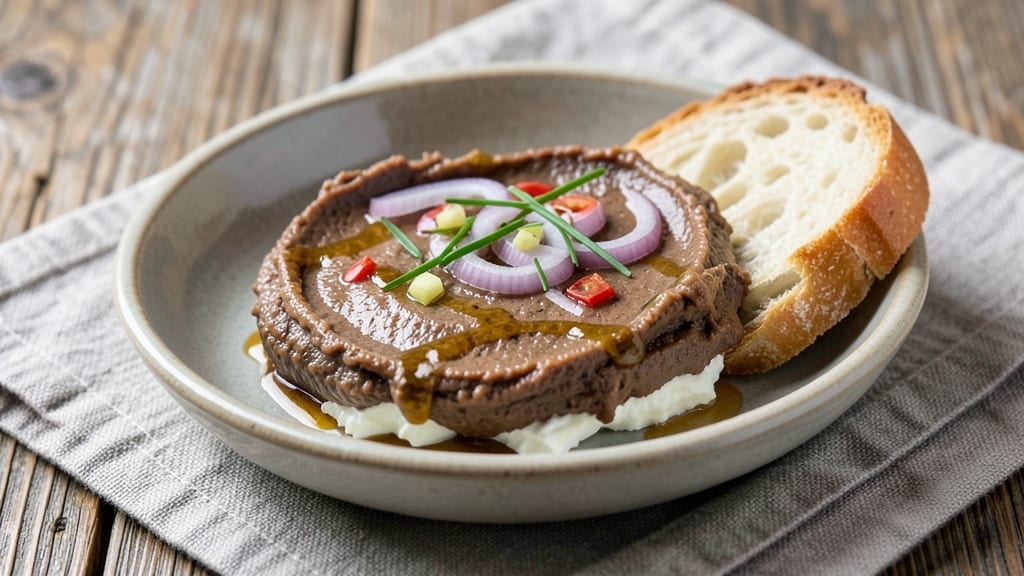
Creating Barefoot Contessa's chicken liver pâté delivers a luxurious, velvety spread that transforms any gathering into an elegant affair. The secret lies in rendering the livers just right—tender yet firm—before blending them with rich butter and a touch of brandy for depth.
This isn’t just a recipe; it’s a technique that turns simple ingredients into something restaurant-worthy, with that signature celery crown adding a satisfying crunch.
The process begins with carefully cooking the livers until they’re perfectly done, then blending them with cream and butter until silky smooth. Barefoot Contessa’s method ensures no graininess, and the addition of mustard and brandy elevates the flavor to a new level.
Baking it in a dish creates a smooth, glossy finish that’s impossible to resist. This pâté isn’t just for holidays—it’s a year-round staple that feels indulgent yet achievable.
What you’ll end up with is a rich, velvety spread that’s silky on the tongue, topped with crisp celery crowns for texture. Serve it with crusty bread, cornichons, or a drizzle of port wine to complement its depth.
The result is a dish that feels special without requiring hours in the kitchen—just precise technique and patience. Ready to master this classic?
Perfect for holiday appetizers or an impressive weeknight dinner, this pâté proves that homemade can rival the finest restaurant offerings. The key is attention to detail, from cooking the livers to blending the mixture just right. Once you try it, you’ll never buy store-bought again. Let’s get started!
Ingredients for chicken liver pate recipe barefoot contessa
Luxurious textures begin with precise ingredients—tender livers, rich butter, and a touch of brandy elevate this classic pâté.
| Ingredient | Amount | Notes |
|---|---|---|
| Fresh Chicken Livers 🍗 | 1 lb | Trimmed of connective tissue |
| Unsalted Butter 🧈 | ½ cup | Cold, cubed for texture |
| Heavy Cream 🥛 | ½ cup | Full-fat for richness |
| Dijon Mustard 🌶️ | 1 tbsp | High-quality, smooth |
| Brandy 🍷 | 2 tbsp | Fine, aged brandy preferred |
| Shallots 🧅 | 2 whole | Finely minced, fresh |
| Fresh Celery Stems 🥬 | 4 whole | For celery crown garnish |
| Fresh Parsley 🌿 | ¼ cup | Chopped, for garnish |
| Salt 🧂 | ½ tsp | Diamond Crystal kosher |
| Freshly Ground Black Pepper 🌶️ | ¼ tsp | Light hand only |
| Port Wine 🍷 | 1 tbsp | For drizzling, optional |
| Cornichons 🥒 | ¼ cup | For serving, optional |
The quality of chicken livers makes all the difference—look for bright red, plump livers at your local butcher or specialty market like Whole Foods. Trim any connective tissue meticulously; it’s the key to a silky texture. Organic Valley or Bell & Evans are reliable brands when fresh options aren’t available. For the celery crowns, select firm, pale green stalks—they should snap cleanly when bent. Store livers in an airtight container in the fridge for up to 2 days; never freeze them as they absorb odors.
Substitutions must be made thoughtfully to preserve the pâté’s elegance. Dijon mustard can be swapped for whole-grain mustard if unavailable, though the texture will differ slightly. Brandy can be replaced with cognac or even a splash of port wine, but reduce to 1 tbsp for a milder flavor. For the butter, European-style unsalted like Plugrá adds superior depth. If using celery leaves instead of stems for garnish, finely chop them—they’ll wilt quickly, so add them last. The shallots can be substituted with 2 tbsp finely chopped red onion if needed, though shallots provide a more refined sweetness.
This pâté requires careful handling to maintain its luxurious texture. Once prepared, it keeps beautifully in the fridge for 4-5 days when stored in an airtight container pressed directly against the surface to prevent a skin from forming. For longer storage, freeze in a single layer before transferring to a sealed container—it’ll last up to 3 months. When reheating, warm gently in a water bath to preserve its velvety consistency. The celery crowns should be prepared fresh just before serving to maintain their crispness; store the raw stems in the fridge wrapped in a damp paper towel for up to 5 days.
Why You'll Love This Recipe
- One-Pan Magic: I swear by this recipe because it’s all in one pan—no chopping boards to scrub, no extra bowls. Just sear those livers in the same skillet where you’ll build the pate, then blend it right there. The browned butter alone makes cleanup a breeze (and honestly, who has time for more than one dirty dish?).
- Brandy-Kissed Luxury: That 2 tbsp brandy isn’t just for show—it deepens the flavor into something ridiculously sophisticated. The moment it hits the pan, the kitchen smells like a Parisian bistro, and the final pate tastes like a restaurant-worthy secret. (Between us, the port wine drizzle ties it all together—trust the process.)
- Weeknight to Party Upgrade: Make it on a Tuesday for your own lunch, or whip it up Sunday afternoon for guests—same effort, totally different vibes. The celery crown garnish makes it look fancy enough for company, but the real magic is how the creamy texture and sharp cornichons balance out the richness. (Yes, even on a Tuesday night.)
- Leftovers That Don’t Suck: Most pates turn rubbery after a day, but this one? Still velvety and delicious for five days in the fridge. Store it pressed under plastic, and it’s ready to serve—no reheating needed. That’s 4 extra meals where you’re not ordering takeout because you’re too tired to cook. (Budget win.)
Step-by-step instructions for chicken liver pate with celery crown
Here's the method for a velvety, luxurious pate that stays true to Barefoot Contessa's original while incorporating that signature celery crown crunch.
Prepare the Chicken Livers for Perfect Texture
Rinse the 1 lb fresh chicken livers thoroughly under cold water and pat them completely dry with paper towels. This step is critical—any moisture will prevent proper browning and create a watery pate. Trim away any visible connective tissue or silver skin using a sharp knife, as these elements contribute bitterness and uneven texture.
Cut the livers into ¼-inch thick slices and place them in a medium bowl. Season immediately with ½ tsp salt and ¼ tsp freshly ground black pepper, tossing gently to distribute evenly. Let them sit at room temperature for 15 minutes while you prepare the aromatics. This resting period ensures even cooking and prevents the livers from curling during searing.
Sear the Livers Until Deeply Browned
Heat a large skillet over medium-high heat and add ½ cup unsalted butter, allowing it to melt completely and foam before adding the livers. Cook the livers in a single layer without overcrowding, working in batches if necessary, for 3-4 minutes per side until they develop a deep golden-brown crust. The butter should bubble vigorously around the edges—this indicates proper heat control.
As the livers sear, they'll release their natural juices. Remove them from the pan and set aside on a plate, reserving the browned butter and any accumulated juices in the skillet. The residual fat in the pan will form the flavor base for your pate. If the butter begins to smoke excessively, reduce the heat slightly to maintain even cooking without burning.
Build the Silky Base with Aromatics and Liquids
In the same skillet, reduce heat to medium and add the 2 whole shallots, finely minced. Cook for 3-4 minutes until they become translucent and begin to caramelize slightly, releasing their sweet, oniony aroma. Add 4 whole fresh celery stems, chopped into ¼-inch pieces, and cook for another 2 minutes until softened but not browned.
Pour in 2 tbsp brandy and 1 tbsp port wine, scraping up any browned bits from the bottom of the pan with a wooden spoon. This deglazing step captures all the concentrated flavors that would otherwise be lost. Let the liquid simmer for 2-3 minutes until reduced by half, allowing the alcohol to cook off and intensify the flavor profile. The mixture should smell rich and complex—like a sophisticated sauce base.
Create the Velvety Texture with Cream and Mustard
Return the seared livers to the skillet and stir gently to combine with the shallots and celery. Add ½ cup heavy cream and 1 tbsp Dijon mustard, stirring constantly for 2-3 minutes until the cream begins to thicken slightly. The mustard adds depth and prevents the pate from becoming too rich, while the cream creates that signature silky texture.
Use an immersion blender to purée the mixture directly in the skillet until completely smooth, about 30-45 seconds. For a truly velvety consistency, strain the mixture through a fine-mesh sieve into a clean bowl, pressing with a spatula to extract every last bit of flavor. This step ensures a flawless, lump-free texture that's essential for an elegant presentation.
Finish and Serve with Celery Crown Garnish
Transfer the pate to a serving dish and smooth the top with a spatula. Drizzle with any remaining pan juices and cover with plastic wrap, pressing it directly onto the surface to prevent a skin from forming. Chill in the refrigerator for at least 4 hours, preferably overnight, to allow flavors to meld completely.
When ready to serve, garnish with ¼ cup chopped fresh parsley and arrange the 4 whole fresh celery stems into a decorative crown around the edge of the dish. Serve with ¼ cup cornichons on the side for a bright, tangy contrast. The celery crown not only adds visual appeal but provides a satisfying crunch that cuts through the richness of the pate.
Pro Tips For Making Chicken Liver Pate Recipe Barefoot Contessa
- Salt Before Searing: Toss those livers with the full ½ tsp salt before they hit the pan—don’t wait until later. I used to skip this, and the first batch always tasted flat. The salt draws out moisture, which evaporates during the 15-minute rest, giving you a better crust and deeper flavor when you finally sear.
- Watch the Butter Foam: Let the ½ cup unsalted butter get hot and foamy before adding the livers—this isn’t the time to rush. If you drop them in too soon, the butter won’t brown properly, and your pate will taste bland. A few extra seconds here makes all the difference in that rich, nutty depth.
- Strain Like Your Life Depends on It: That fine-mesh sieve isn’t optional—press every last drop through it, even if it feels tedious. I learned this after serving a pate with tiny liver bits floating in it. The straining step is what turns a good pate into a silky, restaurant-worthy one.
- Chill Overnight (No Excuses): Four hours is the minimum—push it to overnight if you can. The flavors meld in the fridge, and the texture becomes truly luxurious. Skipping this step means a pate that’s still fighting to come together, no matter how perfect the sear was. Trust the process.
Common mistakes when making your chicken liver pate recipe barefoot contessa
Overcooking Livers
Chicken livers cook in a flash—just 3-4 minutes per side—and overcooking turns them rubbery. I’ve ruined many a batch by letting them sit too long in the pan, especially when distracted by other prep.
The moment they turn golden-brown, remove them immediately. A quick test: gently press a liver with a spoon—it should feel firm but still tender, not firm like a shoe. 🔥
Skipping the Rest
After searing, I used to rush to blend the livers without letting them rest. Big mistake! Letting them sit at room temperature for 15 minutes before cooking ensures even cooking and prevents curling.
This step is non-negotiable—it’s what keeps the final texture velvety, not grainy. Trust the process, even if it feels like waiting forever.
Using Cold Livers
Straight-from-the-fridge livers release moisture when seared, leading to a watery pate. Always bring them to room temperature first. I learned this the hard way when my first batch turned out more like a loose filling than a luxurious spread.
Pat them completely dry with paper towels too—this is the secret to that perfect golden crust. 💧
Neglecting the Strain
Straining the blended mixture is where magic happens, but I’ve seen people skip it to save time. Without straining, you risk a gritty texture from any connective tissue or overworked livers.
Use a fine-mesh sieve and press with a spatula to extract every last drop of flavor. This step separates the amateurs from the pros—don’t skip it!
Ignoring the Celery Crown
The celery crown isn’t just decoration—it’s a textural contrast that makes this dish special. I’ve served this pate without it, and while it’s still delicious, it loses that satisfying crunch.
Use fresh celery stems (not leaves) and arrange them in a neat circle around the edge. The crown should be crisp, so prepare it last minute—no soggy garnishes here! 🥬
Rushing the Chill Time
Patience is key with this recipe. I’ve tried serving the pate after just 1 hour of chilling, and the flavors weren’t fully developed. The 4-hour minimum (overnight is ideal) lets the ingredients meld, creating that rich, cohesive flavor. Don’t rush—your taste buds will thank you later. ⏳
Nutrition facts
Frequently asked questions
Can I substitute brandy with something else in this recipe?
Yes, you can use cognac or even port wine as a substitute, though the flavor will differ slightly. If using port wine, reduce the amount to 1 tbsp instead of the full 2 tbsp of brandy. The alcohol helps deepen the flavor, so avoid skipping it entirely unless you prefer a milder taste.
Why does the celery crown need to be fresh?
The celery crown provides a crisp, fresh contrast to the rich, velvety texture of the pâté. Using pre-cut or wilted celery will make the garnish soggy and unappetizing. Always select firm, pale green celery stems and prepare them just before serving to maintain their crunch.
How do I fix a pâté that turned out too thick?
If your pâté is too thick after chilling, gently warm it in a water bath and stir in 1-2 tbsp of heavy cream or warm chicken stock until it reaches a smooth, spreadable consistency. Avoid adding cold liquids directly, as this can cause the texture to break. Stir well and let it cool before serving again.
Can I make this ahead of time for a party?
This pâté tastes even better after 4-5 days in the fridge when stored in an airtight container pressed directly against the surface. Prepare it up to 3 days ahead and refrigerate. The flavors develop beautifully over time, making it perfect for entertaining. Just garnish with fresh parsley and celery crowns before serving.
What’s the best way to serve this pâté?
Serve it on a chilled platter with crusty bread, cornichons, and a drizzle of port wine for dipping. For an elegant touch, arrange the celery crown around the edge and sprinkle with chopped parsley. It pairs beautifully with white wine or champagne to complement the rich flavors.