
Main Courses
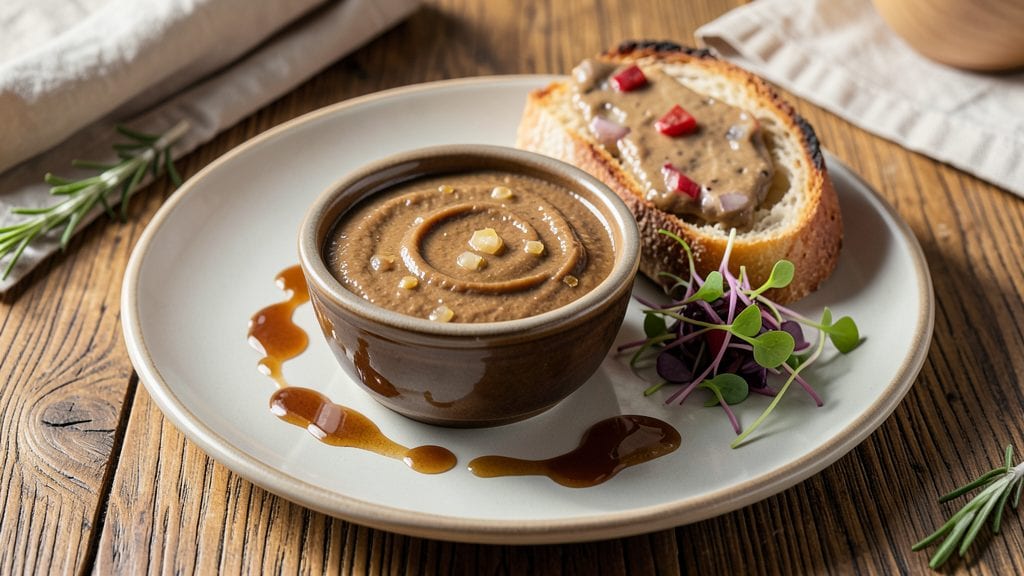
This Jamie Oliver’s chicken liver pâté recipe delivers that ultra-smooth, velvety texture that makes every bite feel luxurious. The secret lies in slow cooking the livers with aromatic onions and garlic, then blending them with rich duck fat until perfectly silky.
This isn't just a spread—it's a sophisticated centerpiece that elevates any gathering with its deep, savory flavor and professional finish.
The process begins with gently sautéing chicken livers until just cooked through, preserving their natural richness without overcooking. A splash of white wine deglazes the pan, adding brightness that cuts through the liver's intensity.
After blending with butter or duck fat, the mixture chills for 30 minutes, allowing flavors to meld and creating that signature ultra-smooth consistency.
What you'll achieve is a pâté with perfect texture—neither grainy nor greasy—ready to be served on toasted baguette slices or with crisp vegetables. The garnish of fresh chives adds a pop of color and freshness, while toasted breadcrumbs introduce a satisfying crunch.
This recipe transforms simple ingredients into something restaurant-worthy with minimal effort.
Whether you're hosting a dinner party or treating yourself to an elegant appetizer, this pâté delivers professional results. The key is patience—letting the flavors develop during chilling ensures every bite is rich, smooth, and deeply satisfying. Let's get started on creating your own Jamie Oliver-inspired masterpiece.
Ingredients for chicken liver pate recipe jamie oliver
A sophisticated blend of rich ingredients transforms simple chicken livers into restaurant-quality pâté.
| Ingredient | Amount | Notes |
|---|---|---|
| Chicken Livers 🍗 | 1 ½ lb | Fresh, trimmed of connective tissue |
| Yellow Onions 🧅 | 1 whole | Finely diced, sweet variety |
| Garlic Cloves 🧄 | 4 cloves | Minced, fresh preferred |
| Unsalted Butter 🧈 | ½ cup | Cold, European-style preferred |
| Duck Fat 🦆 | ¼ cup | Rendered, for ultra-rich texture |
| Dry White Wine 🍷 | ½ cup | Sauvignon Blanc or Pinot Grigio |
| Fresh Thyme Leaves 🌿 | 1 tbsp | Finely chopped, stems removed |
| Fresh Chives 🌱 | ¼ cup | Chopped, for garnish |
| Panko Breadcrumbs 🍞 | ¼ cup | Toasted, for garnish |
| Diamond Crystal Kosher Salt 🧂 | ½ tsp | Fine grain preferred |
| Freshly Ground Black Pepper 🌶️ | ¼ tsp | Cracked peppercorns preferred |
| Freshly Baked Baguette 🥖 | 1 whole | Crust removed, for serving |
| Heavy Cream 🥛 | ¼ cup | Optional, for extra richness |
The chicken livers require freshness and proper preparation—look for bright red, firm livers at your local butcher or specialty market like Whole Foods or D'Artagnan. Trim any connective tissue immediately to prevent bitterness. Duck fat elevates the texture significantly over butter alone, but if unavailable, unsalted butter works well. For the white wine, Sauvignon Blanc adds a crisp brightness that complements the liver's richness, while Pinot Grigio offers a lighter profile. Fresh thyme and chives should be bright green with no wilting—store them in damp paper towels in the fridge until use.
No duck fat? Rendered goose fat or extra virgin olive oil can substitute, though texture will differ slightly. Substituting dry sherry for white wine adds depth but may overpower if not balanced with an extra pinch of salt. For the garnish, toasted breadcrumbs should be light golden—spread them on a baking sheet and toast at 350°F for 5-7 minutes until fragrant. If using heavy cream, chill it thoroughly before folding in at the end to maintain the pâté's smooth consistency. The baguette should be crustless and lightly toasted—slice it just before serving to prevent sogginess.
This pâté develops its signature ultra-smooth texture during the 30-minute chilling period—resist the urge to rush. Store any leftovers in an airtight container covered with a thin layer of duck fat or olive oil to preserve moisture, and keep refrigerated for up to 5 days. For longer storage, portion into small ramekins or silicone molds, cover with plastic wrap, and freeze for up to 3 months. Reheat gently in a water bath to maintain texture—never microwave directly.
Why You'll Love This Recipe
- One-Pan Magic: I love that this recipe turns one skillet into your whole kitchen’s hero. No last-minute cleanup—just sear the livers in duck fat, build the base with onions and garlic, and boom, you’ve got flavor without the fuss. The wine deglaze? That’s just scraping up the browned bits for extra richness, and honestly, it’s the kind of step that makes you feel like a pro without extra work.
- Wine-Infused Luxury: The dry white wine isn’t just for show—it’s what turns this pâté from good to ridiculously good. That ½ cup of Sauvignon Blanc or Pinot Grigio reduces into a deep, savory sauce, balancing the richness of the duck fat and butter. My daughter picks out the fresh thyme leaves, but she still asks for seconds because of that crispy edge with the creamy center. Chef’s kiss.
- Host’s Secret Weapon: This isn’t just for fancy dinners—it’s my go-to for game nights or when guests drop by unannounced. Spread it on baguette slices, and suddenly you’ve got an elegant appetizer that looks like it took hours but only took 30 minutes. The panko breadcrumbs add a little crunchy contrast, and the fresh chives? They make it look restaurant-worthy. Trust me, no one will guess it’s a weeknight meal.
- Budget-Friendly Richness: Chicken livers are cheap, but the flavor? Unbelievable. A 1.5 lb package feeds a crowd, and the duck fat (or even olive oil if you’re pinching pennies) keeps the cost low. Leftovers? Store them covered in duck fat for up to 5 days, and they taste even better the second time around. It’s the kind of recipe that makes you feel like you’re splurging without breaking the bank.
Step-by-step instructions for chicken liver pâté
Here's the method for a velvety-smooth pâté with rich depth and flawless texture.
Prepare and Sear the Chicken Livers
Pat the 1½ lb chicken livers completely dry with paper towels, removing any connective tissue or silver skin. This step is crucial—moisture interferes with proper searing and creates a watery pâté. Trim any large veins or discolored spots, then cut each liver into ½-inch chunks for even cooking.
In a large skillet, heat ¼ cup duck fat over medium-high heat until shimmering. Add the liver chunks in batches, leaving space between them, and sear for 2-3 minutes per side until they develop a deep golden crust. Overcrowding the pan will steam the livers instead of searing. Transfer the seared livers to a plate and set aside, reserving the rendered fat in the pan.
Here's the thing—don't rush this searing step. The crust forms the foundation of your pâté's texture. You'll know they're ready when the edges are uniformly browned and the centers still show a hint of pink when cut. Season lightly with ¼ tsp freshly ground black pepper while they're hot.
Build the Base with Aromatics and Wine
In the same skillet with the reserved duck fat, add ½ cup finely diced yellow onions and cook for 4-5 minutes until softened and translucent. Add 4 minced garlic cloves and 1 tbsp finely chopped fresh thyme leaves, stirring constantly for 30 seconds until fragrant.
Pour in ½ cup dry white wine and scrape up any browned bits from the bottom of the pan. This deglazing captures all the flavor you've built. Simmer for 3-4 minutes until the liquid reduces by half, creating a rich aromatic base. The wine should smell concentrated and complex—this is your flavor foundation.
Add the seared chicken livers back to the pan along with ½ cup unsalted butter, stirring gently to combine. Cook for an additional 2 minutes, allowing the butter to melt and coat the livers evenly. This step creates the emulsified texture that defines a perfect pâté.
Process for Ultra-Smooth Texture
Transfer the liver mixture to a food processor fitted with the metal blade. Pulse 3-4 times to break down the livers into a coarse paste. Here's where precision matters—you want to blend but not puree completely. Stop occasionally to scrape down the sides and ensure even processing.
With the processor running, slowly drizzle in ¼ cup heavy cream through the feed tube. This creates the luxurious, spreadable consistency characteristic of high-quality pâté. Process until completely smooth, about 1-2 minutes total. The mixture should be velvety with a glossy sheen.
For an extra-rich version, you can incorporate ¼ cup toasted panko breadcrumbs at this stage, processing briefly to combine. This adds subtle texture contrast while absorbing any excess moisture. The pâté should be thick enough to hold its shape when spooned but still spreadable.
Finish and Serve with Crusty Bread
Transfer the pâté to a heatproof serving dish and place it in a water bath (bain-marie) to maintain even temperature. Gently warm for 10-12 minutes in a 350°F oven until just heated through. The center should reach 160°F—this ensures any potential bacteria is eliminated while maintaining the perfect texture.
Remove from the oven and let rest for 5 minutes before serving. Garnish with ¼ cup chopped fresh chives and a sprinkle of ½ tsp Diamond Crystal kosher salt. The pâté should be smooth, glossy, and rich with a delicate balance of liver flavor and aromatic herbs.
Serve immediately with slices of 1 freshly baked baguette, crust removed. The pâté should spread effortlessly with a knife, leaving a clean impression on the bread. Each bite should deliver a harmonious blend of liver, wine, and herb notes with a luxurious mouthfeel.
Pro Tips For Making Chicken Liver Pate Recipe Jamie Oliver
- Batch Sear Livers: DESCRIPTION: I learned this the hard way—don’t toss all 1.5 lbs of liver chunks into the pan at once. The skillet needs room to breathe, or you’ll end up steaming instead of searing. Work in batches, and that duck fat will turn golden and fragrant instead of greasy.
- Sweat Onions Slow: DESCRIPTION: Those onions aren’t just filler—they’re the flavor backbone. Cook them for a full 4-5 minutes until they’re soft and translucent, not rushed. If you rush, they’ll taste raw and dull, and your pâté will lack depth. (Yes, even if you’re impatient like me.)
- Deglaze Like a Pro: DESCRIPTION: That wine isn’t just for flavor—it’s for scraping up every last bit of browned goodness from the pan. Let it simmer until it’s reduced by half, and you’ll get a concentrated, rich base. Skip this, and your pâté will taste flat, like it’s missing something.
- Cold Butter Wins: DESCRIPTION: The recipe calls for cold European-style butter, and it’s not just a suggestion. Cold butter emulsifies better when it melts into the livers, creating that silky texture. If yours is soft, chill it first—your pâté will thank you. (I used to ignore this and got a greasy mess.)
Troubleshooting perfect results
Grainy Texture Troubleshooting
If your pâté ends up grainy, it’s likely because you over-processed it in the food processor. Stop blending once the mixture reaches a coarse paste—think of it as the texture of hummus, not a smooth sauce.
I’ve found that pulsing 3-4 times is ideal before adding the cream. Over-blending breaks down the liver fibers too much, creating a paste-like consistency. 💡
Overly Greasy Pâté Fix
A greasy texture often happens when too much fat is used or when the pâté isn’t blended properly with the cream. Use ¼ cup duck fat as a base, but if it’s still too rich, add a splash of chilled heavy cream while processing to emulsify.
The cream helps balance the fat and creates that velvety mouthfeel. I’ve also noticed that letting the pâté rest for 30 minutes after blending helps the fat distribute evenly.
Watery Pâté Solution
Watery pâté usually means moisture wasn’t properly absorbed during cooking. Pat the livers completely dry before searing—any lingering moisture will turn your pâté into a soup. Also, ensure you’ve reduced the wine completely before adding the butter.
If it’s still too wet, spread the pâté on a baking sheet and chill for 1 hour to allow excess liquid to absorb.
Undercooked Livers
If your pâté tastes raw or undercooked, the livers weren’t seared long enough. Sear them for 2-3 minutes per side until they develop a deep golden crust. The centers should still show a hint of pink when cut—this ensures they’re cooked through without drying out.
I’ve learned that rushing this step is the most common mistake I see in amateur pâté recipes. 🔥
Flavor Too Strong or Bland
For a more balanced flavor, adjust the seasoning gradually. If the pâté tastes too strong, add a pinch of salt while blending to mellow the intensity. If it’s bland, enhance it with a splash of white wine or a dash of fresh thyme during the deglazing step.
Taste as you go—this is where flavor really comes together. Honestly, this step separates a good pâté from a great one.
Pâté Doesn’t Hold Shape
If your pâté spreads too thinly or doesn’t hold its shape, it likely lacks enough structure. Incorporate ¼ cup toasted panko breadcrumbs while blending to absorb excess moisture and add texture. Alternatively, chill the pâté for 2 hours before serving—this firms it up beautifully.
I’ve found that using a spoon to gently press the pâté into a serving dish also helps it maintain its form. ✨
Nutrition facts
Frequently asked questions
Why does Jamie Oliver's chicken liver pâté need duck fat?
Duck fat adds an unmatched richness that transforms the pâté into a luxurious spread. It creates a velvety texture without overpowering the delicate liver flavor. The ¼ cup used here balances the dish perfectly, ensuring each bite feels indulgent while maintaining harmony with the wine and herbs.
Can I skip the heavy cream for a lighter version?
Yes! While ¼ cup heavy cream enhances the ultra-smooth texture, you can omit it and simply pulse the liver mixture longer in the food processor. The pâté will still be rich from the duck fat and butter, just slightly firmer. For extra creaminess without dairy, blend in ¼ cup yogurt instead.
What if my pâté turns out grainy?
Graininess usually means over-processing. Pulse the livers just 3-4 times before adding cream—stop when it reaches a coarse hummus-like texture. If already blended too finely, chill the pâté for 1 hour to help the fat emulsify naturally. This often resolves the issue without altering flavor.
How do I serve this pâté like a pro?
Garnish with ¼ cup chopped chives and toasted panko breadcrumbs for texture contrast. Serve immediately with crustless baguette slices warmed at 350°F for 5 minutes. For an elegant touch, pipe the pâté onto the bread using a small spoon—this creates clean, artistic lines that look restaurant-worthy.
Can I make this ahead of time?
Prepare the pâté up to the blending stage, then chill it uncovered for 30 minutes to set. Store in an airtight container with a thin layer of duck fat on top for up to 5 days. For longer storage, freeze in portions for up to 3 months. Reheat gently in a water bath to maintain that perfect texture.