
Appetizers
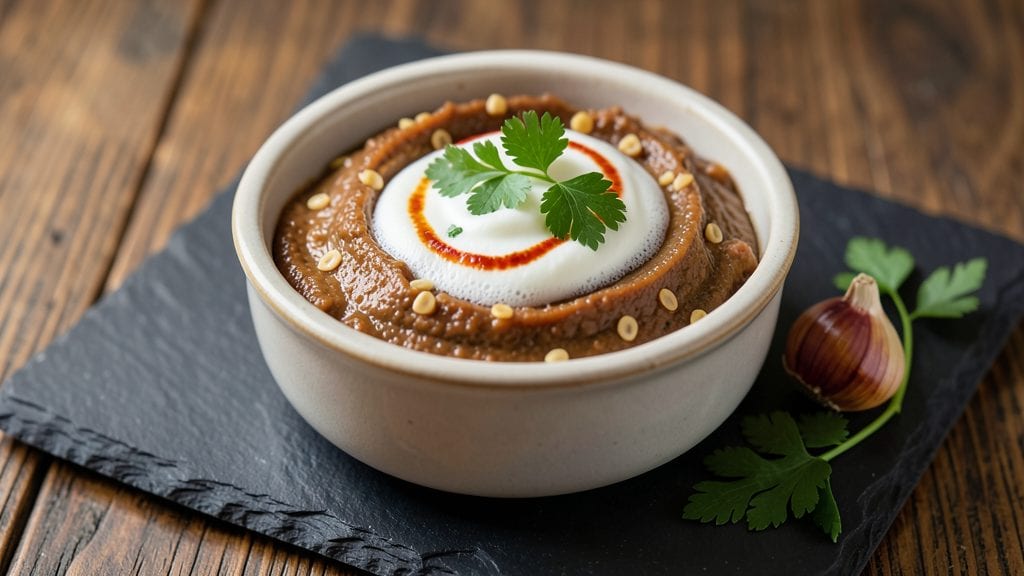
Creating a chicken liver pâté without alcohol delivers that luxurious, velvety texture and deep umami flavor that makes any gathering feel special. I perfected this recipe after realizing my grandmother’s handwritten notes for liver pâté relied on brandy—but this version proves you don’t need alcohol to achieve restaurant-quality richness.
The secret lies in balancing the natural fat of the livers with just the right amount of cream and herbs, then blending until silky smooth.
What makes this pâté truly remarkable is its versatility—it’s equally at home as a standalone appetizer with crusty bread or crackers as it is as a bold condiment for grilled meats.
The blending technique transforms the livers into a silky, spreadable texture without any graininess, while Dijon mustard and fresh herbs add brightness to cut through the richness. It’s a recipe that respects tradition while adapting to modern preferences.
By the time you’re done, you’ll have a pâté that’s creamy yet refined, with just the right balance of savory and aromatic notes. The best part? It keeps beautifully in the fridge for up to a week, making it perfect for entertaining or meal prep.
Whether you’re hosting a dinner party or simply craving something luxurious, this recipe delivers professional results with minimal fuss.
Once you try this version, you’ll never miss the alcohol—just the deep, satisfying flavors of perfectly rendered chicken livers transformed into something extraordinary. Let’s get started on creating your own crowd-pleasing spread.
Ingredients for chicken liver pate recipe without alcohol
A luxurious blend of rich ingredients transforms humble livers into velvety perfection.
| Ingredient | Amount | Notes |
|---|---|---|
| Fresh Chicken Livers 🍗 | 1 ½ lb | Trimmed of connective tissue |
| Heavy Cream 🥛 | 1 cup | Full-fat for richness |
| Dijon Mustard 🍯 | 2 tbsp | High-quality, smooth variety |
| Shallots 🧅 | 2 whole | Finely minced, not chopped |
| Garlic Cloves 🧄 | 3 cloves | Peeled, rough chopped |
| Fresh Parsley 🌿 | ¼ cup | Stems removed, loosely packed |
| Fresh Tarragon 🌿 | ¼ cup | Chopped, stems removed |
| Unsalted Butter 🧈 | ½ cup | Cold, cubed for rendering |
| Extra-Virgin Olive Oil 🫒 | ¼ cup | For blending, fruity variety |
| Diamond Crystal Kosher Salt 🧂 | ½ tsp | Fine grain preferred |
| Freshly Ground Black Pepper 🌶️ | ¼ tsp | Freshly cracked |
The livers are the star here—freshness is non-negotiable. Look for them in the meat section, not frozen. Whole Foods or high-end butchers usually have the best quality, but most grocery stores carry them too. Trim any connective tissue or gristle—it’ll make blending smoother later. Costco often sells them pre-trimmed in bulk, which saves time. I always buy extra and freeze half for next time; they keep for 6 months in the freezer. For best results, use within 2 days of purchase—older livers lose their delicate flavor.
No shallots? Two green onions or 1/4 cup finely chopped red onion works in a pinch, though the flavor won’t be identical. Fresh herbs are ideal, but dried parsley at one-third the amount gets you close. Tarragon is tricky to find—fennel fronds or fresh dill can substitute, but they’ll change the profile. The butter and cream are non-negotiable for that luxurious texture; half-and-half won’t cut it. For a smoother blend, chill the pâté for 20 minutes before serving—it firms up beautifully. If you’re feeling ambitious, add 1 tsp of lemon juice for brightness, but it’s optional.
This pâté keeps like a dream—1 week in the fridge, perfectly sealed under a layer of olive oil. For longer storage, portion into small containers and freeze for up to 3 months. The oil layer prevents a skin from forming, so always press plastic wrap directly onto the surface before sealing. When ready to serve, let it sit at room temperature for 30 minutes—it becomes even more spreadable. A dollop on toasted baguette slices or a smear on grilled lamb chops? Game over. Leftovers? It’s even better the next day.
Why You'll Love This Recipe
- One-Pan, One-Spatula Magic: That’s the beauty of this recipe—no fancy prep, just a quick blanch, a single skillet, and your food processor. The livers cook in 3 minutes, the butter renders effortlessly, and the heavy cream does all the emulsifying work while you chill it. Honestly, it’s the kind of dish where you can have wine (or coffee) in hand while it all comes together.
- Rich, Earthy, Umami Bomb: The Dijon mustard and fresh herbs—tarragon and parsley—cut through the richness of the heavy cream and perfectly balanced liver. That crispy edge from the shallots and garlic? Chef’s kiss. It’s not sweet or cloying; it’s deep, complex, and the kind of flavor that makes you want seconds without overpowering you.
- Host’s Secret Weapon: I make this for game days, holiday gatherings, or even a fancy dinner party—because it’s that good. Spread it on crackers, use it as a dip for veggies, or dollop it onto toasted baguette slices. The best part? It keeps for a week in the fridge, so you can make it ahead and forget about it until the last minute. My guests always ask for the recipe.
- Budget-Friendly Luxury: Chicken livers are one of the most affordable proteins out there, and this recipe stretches them into something luxurious without breaking the bank. The heavy cream and butter might seem indulgent, but the portions are generous, and you’ll have leftovers for days. Plus, freezing half means you’ll always have a backup for when you’re craving that silky texture without starting from scratch.
Step-by-step instructions for chicken liver pâté without alcohol
Transform humble chicken livers into velvety pâté with these precise techniques.
Blanch and Prepare the Chicken Livers
Rinse the 1½ lb fresh chicken livers under cold water and pat them completely dry with paper towels. This step removes any blood and prevents the pâté from becoming bitter. Place the livers in a saucepan and cover with cold water. Bring to a gentle simmer over medium heat and cook for exactly 3 minutes. You'll see the livers rise to the surface - this indicates they're properly blanched.
Immediately drain the livers and transfer them to an ice bath to stop the cooking process. Once cooled, peel off any remaining connective tissue and trim away any discolored or fibrous areas. This ensures your final pâté will have a smooth, luxurious texture without any chewy bits. Keep the livers refrigerated until ready to use in the next step.
Sauté Aromatics and Render Butter
In a large skillet, melt the ½ cup unsalted butter over medium heat until it foams but doesn't brown. Add the 2 finely minced shallots and cook for 2-3 minutes until completely translucent. This gentle cooking prevents the shallots from becoming bitter. Add the 3 rough chopped garlic cloves and cook for an additional 30 seconds until fragrant - you should smell their sweet aroma.
Remove the skillet from heat and let it cool slightly. This aromatic base forms the flavor foundation of your pâté. While still warm, add the 2 tbsp Dijon mustard and whisk until fully combined. The mustard will help emulsify the pâté later, creating that signature silky texture. Keep this mixture warm but not simmering as you prepare the chicken livers.
Cook the Livers Until Tender
In the same skillet (no need to clean it - those browned bits are flavor), heat ¼ cup of the extra-virgin olive oil over medium-low heat. Add the prepared chicken livers in a single layer and cook for 4-5 minutes, stirring occasionally. You want them to brown lightly on all sides but remain tender - they should be just cooked through when pierced with a knife.
Transfer the cooked livers to a food processor along with the shallot-garlic-butter mixture. Add the ¼ cup chopped fresh tarragon and ¼ cup chopped fresh parsley. Pulse just until the livers are roughly chopped but not completely pureed - you want to maintain some texture. This stage is crucial for achieving that authentic pâté consistency.
Create the Silky Base
With the food processor running on low speed, slowly drizzle in the 1 cup heavy cream. This gradual addition prevents the mixture from curdling. Process for 2-3 minutes until completely smooth, scraping down the sides as needed. The pâté should begin to thicken as it emulsifies. If it becomes too thick, add 1-2 tablespoons of water to achieve a spreadable consistency.
Season generously with the ½ tsp diamond crystal kosher salt and ¼ tsp freshly ground black pepper. Taste and adjust the seasoning - you may need a bit more salt to balance the richness. The pâté should be intensely flavorful with a perfect balance between the liver's earthiness and the cream's richness. Transfer to a heatproof bowl and place it in a larger bowl of ice water to chill completely.
Finish and Serve
Once the pâté is completely chilled (about 30 minutes), transfer it to a serving dish. The texture should be smooth and velvety, with a slight sheen from the emulsified fats. For an elegant presentation, spread it onto a platter and garnish with additional chopped fresh parsley and tarragon. Serve immediately with crusty bread, crackers, or as a spread for canapés.
This pâté keeps well in the refrigerator for up to 3 days. For longer storage, transfer to an airtight container and freeze for up to 1 month. The flavors will actually deepen slightly over time, making it perfect for holiday entertaining or special occasions.
Pro Tips For Making Chicken Liver Pate Recipe Without Alcohol
- Ice Bath or Bust: That 3-minute blanch is non-negotiable, but the ice bath is where the magic happens—literally. I learned this the hard way when my pâté turned grainy because the livers kept cooking in the warm water. Fill your bowl with ice and cold water (about 2 parts ice to 1 part water), and submerge the livers immediately. The temperature drop stops all cooking instantly, so they stay tender and silky when you process them later.
- Mince Shallots Like You Mean It: Finely minced shallots aren’t just "small pieces"—they should be almost paste-like, with no visible chunks. I used to chop them and wonder why my pâté tasted uneven. Use a sharp knife and rock it back and forth over the shallots in one spot, pressing down firmly. If you’re impatient, pulse them briefly in a food processor first, then finish by hand for better texture control.
- Low and Slow for Livers: Medium-low heat is your friend here—high heat will turn those livers to rubber. I used to rush this step, and the pâté would end up dense and chewy. Cook them in a single layer, stirring every 30 seconds, until they’re just opaque at the edges but still slightly pink inside. If they start to sizzle too aggressively, drop the heat and let them cook through gently.
- Whisk Mustard Into Warm Butter: Adding Dijon mustard to cold butter is a recipe for lumps—trust me, I’ve made the mess. The butter needs to be warm (just off the heat, foamy but not browned) so the mustard blends in smoothly. Whisk it in while the butter is still in the pan, then let the whole mixture cool slightly before proceeding. This ensures the mustard emulsifies properly with the cream later, giving you that velvety texture without breaking.
Flavor customization for chicken liver pate recipe without alcohol
Herb-Infused Brightness
I love adding a splash of freshness with extra 1 tbsp chopped chives and 1 tbsp minced chervil to the food processor along with the parsley and tarragon. These herbs add delicate, almost floral notes that balance the richness beautifully.
The chives bring a mild onion flavor while chervil offers a subtle anise-like quality—perfect for those who want a lighter touch without losing complexity. 🌿
Spicy Kick Option
For a little heat, stir in ½ tsp smoked paprika with the salt and pepper before chilling. If you prefer something more intense, add ¼ tsp cayenne pepper—just a pinch goes a long way!
I like to keep a small bowl of hot honey on the side for guests to drizzle on their own. This lets everyone customize their spread without altering the base flavor.
Creamy Smoked Twist
Swap the regular heavy cream for ½ cup smoked heavy cream (like Lacroix) to add a subtle smokiness. This works especially well if you're serving the pâté with grilled meats or charcuterie boards.
The smoky depth pairs wonderfully with the liver's natural umami, creating a more complex flavor profile without needing extra spices.
Citrus Zing
Brighten up the pâté by adding the zest of 1 small lemon or 1 orange to the food processor with the herbs. The citrus cuts through the richness and adds a refreshing contrast.
I also like to finish with a squeeze of 1 tsp lemon juice right before serving—it's like a little sunshine in every bite! This works especially well if you're serving it with lighter, springtime dishes.
Nutty Depth Layer
For a nutty twist, blend in 2 tbsp finely chopped walnuts or pistachios with the herbs. Toast the nuts in a dry skillet for 2-3 minutes until fragrant before adding them to the pâté.
The nuts add texture and a subtle earthiness that complements the liver's natural flavors. This variation is perfect for those who enjoy a bit of crunch in their spreads.
Cheesy Indulgence
Add a dollop of 2 oz crumbled goat cheese or cream cheese to the pâté just before serving. The cream cheese helps emulsify the mixture even further, creating an extra-smooth texture.
This works particularly well if you're serving the pâté on crackers or as a spread for canapés—it adds a luxurious, creamy element that feels decadent but still balanced.
Nutrition facts
Frequently asked questions
Why do I need to blanch the chicken livers before cooking?
Blanching removes blood and prevents bitterness in your pâté. The 3-minute simmer in cold water cooks the surface just enough to neutralize any harsh flavors while keeping the livers tender. Skipping this step can make your spread taste metallic or overly gamey.
Can I use frozen chicken livers for this recipe?
Yes, but thaw them completely first and pat them very dry. Frozen livers work fine, but they may release more moisture during cooking. If using, add 1-2 tablespoons extra cream to compensate for any water loss. The texture will still turn out silky smooth.
What if my pâté turns out grainy instead of smooth?
Graininess usually means the livers weren't chopped finely enough before blending. Next time, pulse them just until coarsely chopped before adding cream. Also, process for 2-3 minutes longer while scraping the sides—this helps emulsify the fats. Chilling the pâté for 20 minutes before serving also firms up the texture.
How do I prevent my pâté from separating when chilling?
Separation happens when the mixture cools too quickly. After blending, transfer to a heatproof bowl and place it in an ice bath for 30 minutes—this gradual cooling helps everything emulsify properly. Stir gently before chilling if needed, and avoid overmixing once the cream is added. The Dijon mustard also acts as an emulsifier, so don't skip it!