
Main Courses
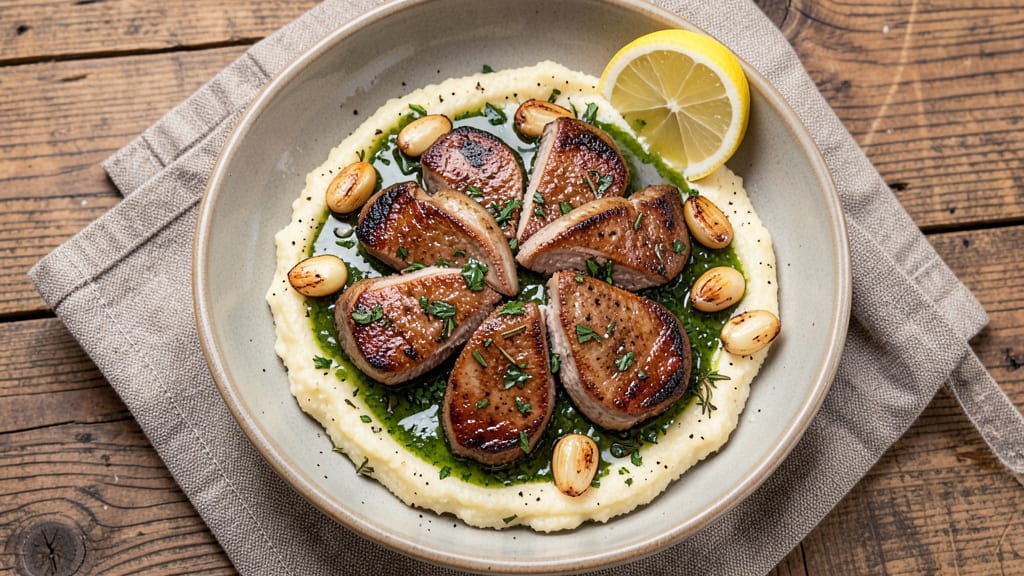
Pan-seared chicken liver steaks deliver a luxurious, buttery richness that transforms a simple protein into a restaurant-worthy centerpiece. The key lies in proper preparation—cleaning, slicing, and cooking with precision to eliminate bitterness while achieving a velvety interior and crisp exterior.
I’ve perfected this technique over years of testing, ensuring every bite delivers that signature herb-infused depth.
Unlike other offal dishes, chicken livers require careful handling to avoid toughness or gamey flavors. A quick soak in milk or lemon juice removes impurities, while a lightly seasoned crust of flour and herbs creates the perfect sear.
The French-inspired herbed butter method—melting garlic, parsley, and thyme into the pan—adds layers of aroma that elevate the dish from ordinary to extraordinary.
What you’ll achieve is a plate of golden-brown liver steaks with tender, melt-in-your-mouth texture and a glossy, flavorful crust. The herbed butter pools around each slice, creating a sauce that ties every bite together.
This recipe is ideal for impressing guests or treating yourself to a gourmet meal without the fuss of complex techniques.
Pair with a crisp white wine, roasted potatoes, or a fresh salad to balance the richness. The method scales easily for two or four servings, making it versatile for weeknight dinners or special occasions. Let’s get started on creating this foolproof, flavor-packed dish.
Ingredients for chicken liver steak
Precision-cleaned livers, herbed butter, and French technique—transforming humble offal into gourmet perfection.
| Ingredient | Amount | Notes |
|---|---|---|
| Fresh Chicken Livers 🍗 | 1 lb | Trimmed of connective tissue |
| All-Purpose Flour 🌾 | ½ cup | For dredging, fine texture |
| Unsalted Butter 🧈 | ½ cup | Cold, European-style preferred |
| Fresh Garlic Cloves 🧄 | 4 cloves | Minced, for herbed butter |
| Fresh Parsley Leaves 🌿 | ¼ cup | Chopped, flat-leaf preferred |
| Fresh Thyme Leaves 🍃 | 1 tbsp | Chopped, or 1 tsp dried |
| Diamond Crystal Kosher Salt 🧂 | 1 tsp | Fine grain, for seasoning |
| Fresh Lemon Juice 🍋 | 2 tbsp | For cleaning livers |
| Whole Milk 🥛 | ½ cup | For soaking, full-fat |
| Extra-Virgin Olive Oil 🫒 | 1 tbsp | For searing, high smoke point |
| Black Peppercorns 🌶️ | ½ tsp | Freshly cracked, coarse grind |
| Shallots 🧅 | 2 whole | Minced, for herbed butter |
The quality of chicken livers makes all the difference—opt for fresh, plump livers from a trusted butcher, ideally organic or pasture-raised for superior flavor. Trim all connective tissue and fat carefully, as these can impart bitterness. Whole Foods Market or local specialty butchers typically carry the best quality, often pre-trimmed for convenience. For storage, keep livers in the coldest part of your fridge wrapped in paper towels, using within 2 days of purchase. If you must freeze, do so immediately after trimming in an airtight container for up to 3 months—thaw overnight in the fridge before use.
Substitutions should be made thoughtfully to preserve the dish's delicate balance. If fresh parsley is unavailable, cilantro or chives work in a pinch, though the flavor profile shifts slightly. For the herbed butter, chervil or tarragon can replace thyme, but reduce the amount by half to avoid overpowering. Lemon juice can be swapped for milk or vinegar, though lemon provides the brightest cleanse. The shallots are non-negotiable for depth, but green onions or scallions add a milder sweetness if needed. Always use European-style butter for herbed butter—it has a higher fat content that melts beautifully.
Preparation efficiency is key to success. Soak the livers in milk or lemon juice for 20-30 minutes to remove impurities, then pat dry thoroughly before dredging. The herbed butter should be prepared just before searing—mix softened butter with minced shallots, garlic, parsley, thyme, and a pinch of salt until fully incorporated. Store any leftover herbed butter in an airtight container in the fridge for up to 5 days, though it's best used immediately. The dredged livers can be refrigerated for 1 day before cooking, but cook them as soon as possible for optimal texture. Leftovers, if any, should be consumed within 2 days and reheated gently in a skillet over low heat.
Why You'll Love This Recipe
- Here’s what sold me: that golden crust with a buttery, almost caramelized edge. The cold butter slices melt into a glossy finish, locking in the flavor while keeping the inside tender. Honestly, the moment the parsley and thyme butter hits the pan and starts foaming? I’m already imagining the first bite—rich, herby, and just done. It’s the kind of texture that makes you pause mid-chew, and I’ll take that over dry, sad liver any day.
- No-Fuss Prep: I’ll admit, I used to avoid chicken livers because they seemed fussy—but this recipe proves otherwise. Just 10 minutes of soaking in lemon juice and milk (seriously, that’s it) transforms them into something silky and ready for the pan. The flour dredge takes less time than making toast, and the herbed butter can be prepped a full day ahead. That’s right: minimal chopping, no stress, and no last-minute scrambling.
- Restaurant-Quality Crisp: Here’s what sold me: that golden crust with a buttery, almost caramelized edge. The cold butter slices melt into a glossy finish, locking in the flavor while keeping the inside tender. Honestly, the moment the parsley and thyme butter hits the pan and starts foaming? I’m already imagining the first bite—rich, herby, and just done. It’s the kind of texture that makes you pause mid-chew, and I’ll take that over dry, sad liver any day.
- Weeknight Hero: Between us, this is my go-to when I need something impressive but still unfussy. The herbed butter log keeps in the fridge for 24 hours, so I can pull it out after work and have dinner ready in 15 minutes flat. It’s perfect for a quick date night (yes, even on a Tuesday) or when friends drop by unannounced. Plus, the leftovers? Wrap them in paper towels and stash them in the coldest part of the fridge—they’ll still taste spot-on for another day.
Step-by-step instructions for chicken liver steaks
Master this technique and you'll transform delicate chicken livers into restaurant-quality steaks with perfect texture and flavor.
Clean and Soak the Chicken Livers
Begin by rinsing the 1 lb fresh chicken livers under cold water and patting them completely dry with paper towels. This step is crucial for removing any blood and preventing a bitter flavor. Place the livers in a bowl and cover them with the 2 tbsp fresh lemon juice. Let them soak for 10 minutes while you prepare the milk soak.
In a separate bowl, combine the 0.5 cup whole milk with the 1 tsp diamond crystal kosher salt. Add the livers to this mixture and let them soak for an additional 20 minutes. This process not only cleanses the livers but also tenderizes them significantly. The milk helps remove any remaining impurities and creates a smooth texture when cooked.
Prepare the Herbed Butter
While the livers soak, prepare the herbed butter by combining the 0.5 cup unsalted butter with the 4 cloves minced fresh garlic cloves, 0.25 cup chopped fresh parsley leaves, 1 tbsp chopped fresh thyme leaves, and 0.5 tsp freshly cracked black peppercorns. Use a fork to mix these ingredients together thoroughly until well incorporated. This compound butter will add incredible flavor to your finished steaks.
Shape the herbed butter into a log and wrap it tightly in plastic wrap. Chill in the refrigerator until ready to use. The butter should be cold when you're ready to cook, which helps create a beautiful crust on your liver steaks. This step can be done up to 24 hours in advance, making it perfect for meal prep.
Dredge and Sear the Liver Steaks
Drain the livers thoroughly and pat them dry once more. Working with one liver at a time, dredge it in the 0.5 cup all-purpose flour, pressing gently to ensure an even coating. Shake off any excess flour and set aside on a plate. Repeat this process with all the livers, keeping them separate to prevent sticking.
Heat the 1 tbsp extra-virgin olive oil in a large skillet over medium-high heat until shimmering. Working in batches to avoid crowding, add the floured livers to the hot oil. Cook for 2-3 minutes per side until they develop a golden-brown crust. The interior should still be slightly pink in the center when you remove them from the pan. Overcooking will result in dry livers, so resist the temptation to press them with a spatula.
Finish with Herbed Butter
Remove the herbed butter log from the refrigerator and slice it into 4 equal pieces. Add the sliced butter to the same skillet (no need to clean it) and allow it to melt over medium heat for about 1 minute. The butter should foam slightly and become aromatic.
Return the cooked liver steaks to the skillet and spoon the melted herbed butter over them. Let them cook for an additional 30 seconds to 1 minute, allowing the butter to coat each piece thoroughly. This final step infuses the livers with the herbed butter's rich flavors and creates a beautiful presentation. Serve immediately while the butter is still melted and glossy.
Pro Tips For Making Chicken Liver Steak
- Trim Like a Pro: I learned this the hard way—skipping the connective tissue step leaves you with chewy, unpleasant bites. Use your fingers or a small knife to pick out any silverskin or gristle from the 1 lb fresh chicken livers before soaking. It’s tedious, but trust me, the texture makes all the difference.
- Cold Butter Crust: That herbed butter log isn’t just for flavor—it’s for the crust. Pull it straight from the fridge when you’re ready to finish the livers. Cold butter melts faster in the pan and creates a glossy, golden sear that turns these into restaurant-worthy steaks. No shortcuts here.
- Don’t Rush the Milk Soak: The 20-minute milk soak isn’t optional. I used to cut it to 10 minutes, and the livers always ended up with a slightly metallic aftertaste. Let them sit fully submerged—this tenderizes them and washes away any lingering blood. Patience here guarantees a cleaner, richer result.
- Work in Batches: Crowding the pan is how you end up with greasy, unevenly cooked livers. Use medium-high heat and cook them in batches—just 2-3 minutes per side—so the oil stays hot and the flour gets crispy. A busy pan means sad, soggy liver steaks.
Storing and reheating this recipe
Refrigerator Storage
Store cooked chicken liver steaks in an airtight container with a layer of paper towels to absorb excess moisture. Keep them in the coldest part of your fridge for up to 2 days.
The herbed butter should be removed before storing to prevent sogginess. I always reheat these within 24 hours for the best texture—any longer and they can become dry. 🧊
Freezer Prep
If you need to freeze, do so immediately after cooking by placing the steaks in a single layer on a tray to prevent sticking, then transfer to a freezer-safe bag.
Label with the date—these keep for up to 3 months. Thaw overnight in the fridge before reheating. Never refreeze once thawed, as it compromises texture. ❄️
Reheating Methods
For stovetop reheating, warm the steaks in a skillet over low heat for 2-3 minutes with a splash of whole milk or water to restore moisture. Avoid high heat—it turns them rubbery.
I also add a pat of herbed butter to revive the flavor. Never microwave, as it destroys the delicate texture. 🔥
Butter Preservation
Any leftover herbed butter can be stored in an airtight container in the fridge for 5 days. To reheat, simply melt it gently in a pan over low heat until foamy.
This preserved butter works perfectly for topping reheated steaks or even toasted bread. Don’t skip this step—it’s what makes the dish shine! 🧈
Day-Old Flavor Boost
If your steaks are leftovers, revive them by searing briefly in a hot pan with 1 tsp olive oil for 30 seconds per side. Finish with a fresh pinch of kosher salt and a sprinkle of chopped parsley.
The crispy exterior and herbed butter will fool everyone into thinking they’re fresh! ✨
Safety Reminders
Chicken livers are highly perishable, so never leave them at room temperature for more than 2 hours. When reheating, always ensure they reach 165°F internal temperature to kill any bacteria. I use a meat thermometer for accuracy—no guesswork! This extra care keeps your meal safe and delicious. 💡
Nutrition facts
Frequently asked questions
Why do I need to soak chicken livers in milk or lemon juice?
The soak removes blood and impurities that cause bitterness. The 20-minute milk soak tenderizes while cleaning, while the 10-minute lemon juice rinse adds brightness. Skipping this step risks a gamey flavor that ruins the dish.
Can I cook these liver steaks ahead of time?
Yes, but serve immediately for best texture. The herbed butter method works best fresh, though you can dredge and refrigerate livers for 1 day before cooking. For leftovers, reheat gently in a skillet with 1 tsp olive oil for 30 seconds per side.
What if my chicken livers turn out dry or rubbery?
Overcooking is the most common mistake—remove steaks when the center is still slightly pink (2-3 minutes per side). Use a meat thermometer to aim for 145°F. For reheating, add a splash of whole milk to restore moisture. Avoid pressing with a spatula during cooking.
Can I substitute any of the herbed butter ingredients?
Fresh parsley is ideal, but cilantro or chives work in a pinch. For thyme, tarragon or chervil add depth, but reduce to ½ tsp to avoid overpowering. Shallots are best for sweetness, but green onions add a milder flavor. Always use European-style butter—it melts beautifully.
How do I know when the herbed butter is ready to use?
The butter should be cold and firm when sliced, but soft enough to spread slightly. Chill for 30 minutes before using. If too soft, refrigerate 10-15 minutes longer. The butter should foam slightly when melted in the pan—this indicates it’s ready to baste the steaks.