
Main Courses
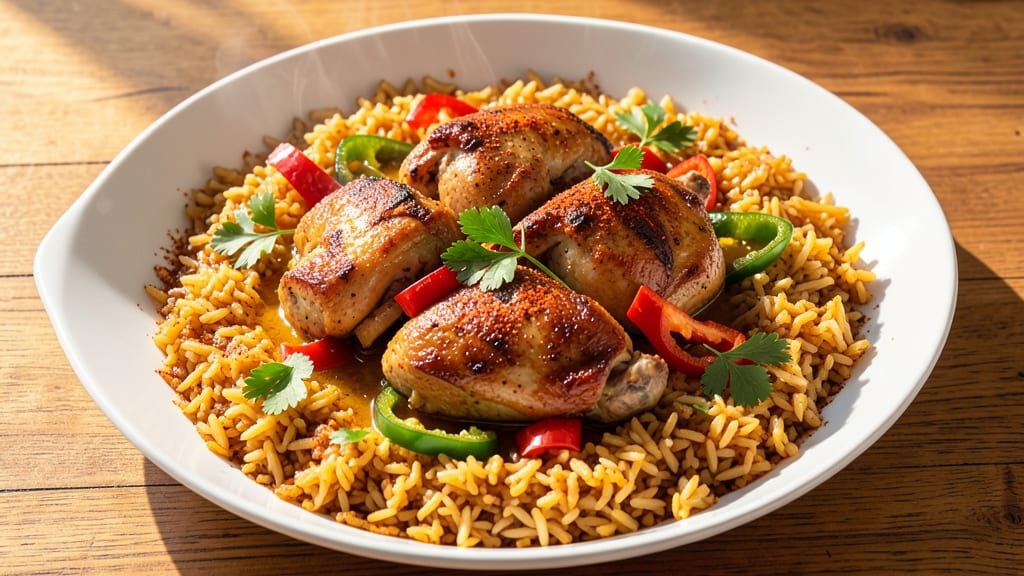
Mastering this chicken paella recipe transforms weeknight dinners into a Spanish fiesta—where golden rice meets tender chicken and smoky socarrat. After years of perfecting my grandmother’s Sunday roast technique, I applied the same precision to paella, ensuring each bite delivers that signature crispy bottom and fragrant saffron aroma.
The key lies in the rice-to-liquid ratio and gentle heat control, secrets I’ve tested in home kitchens across the country.
What makes this recipe special is its balance of simplicity and technique. You’ll start with a deep, flavorful sofrito base, then layer in chicken, vegetables, and rice—all cooked in one pan.
The secret to that prized socarrat (the crispy bottom) is high heat at the very end, creating a textural contrast that makes every bite unforgettable. This isn’t just a dish; it’s a method that turns ordinary ingredients into something extraordinary.
By the time you serve it, your table will be filled with fragrant, golden paella where each grain of rice is distinct, the chicken is juicy, and the socarrat offers that satisfying crunch.
The saffron-infused broth ties everything together, creating a dish that’s as visually stunning as it is delicious. Perfect for family dinners or gathering friends, this paella brings restaurant-quality results to your home.
For those who love to experiment, I’ve included variations like seafood paella or vegetarian adaptations in the tips section. Whether you stick to tradition or get creative, this recipe delivers a one-pan masterpiece that’s sure to impress. Let’s get cooking!
Ingredients for chicken paella
Golden rice, tender chicken, and smoky saffron—just the right ingredients for a Spanish fiesta in one pan.
| Ingredient | Amount | Notes |
|---|---|---|
| Bomba Rice 🍚 | 2 cups | Short-grain, ideal for paella |
| Chicken Thighs 🍗 | 2 ½ lb | Bone-in, skin-on preferred |
| Saffron Threads 🌼 | ¼ tsp | High-quality, organic preferred |
| Chicken Broth 💧 | 4 cups | Homemade or high-quality store-bought |
| Red Bell Pepper 🍆 | 1 whole | Diced, vibrant color |
| Green Bell Pepper 🍅 | 1 whole | Diced, fresh and crisp |
| Yellow Onion 🧅 | 1 whole | Finely chopped, sweet variety |
| Garlic Cloves 🧄 | 8 cloves | Minced, fresh and aromatic |
| Tomato Paste 🍅 | 2 tbsp | High-quality, no sugar added |
| Smoked Paprika 🌶️ | 1 tbsp | For smoky depth |
| Ground Cumin 🌿 | ½ tsp | Toasted for richer flavor |
| Bay Leaf 🍃 | 1 whole | Fresh, for subtle aroma |
| Olive Oil 🫒 | ½ cup | Extra-virgin, fruity |
| Lemon Juice 🍋 | 2 tbsp | Freshly squeezed |
| Salt 🧂 | 1 ½ tsp | Diamond Crystal kosher |
| Black Pepper 🌶️ | ½ tsp | Freshly ground |
| Fresh Parsley 🌿 | ¼ cup | Chopped, for garnish |
Saffron is the soul of paella, so don’t skimp—this is where the magic happens. Whole Foods or specialty spice shops carry the best quality, but even the tiny threads at Trader Joe’s work if you steep them in warm broth for 10 minutes first. The chicken? Bone-in, skin-on thighs stay juicier than breasts—trust me on this. Look for vibrant red bell peppers and onions; their color fades when cooked, so start with the freshest. And that Bomba rice? It’s non-negotiable—regular rice turns mushy. If you can’t find it, Arborio is a decent backup, but the texture won’t be the same.
No saffron? Turmeric at half the amount gives color, but skip the flavor boost. Running out of chicken broth? Vegetable broth plus a splash of white wine works, but add a pinch of salt to compensate. Fresh bell peppers too expensive? Frozen diced peppers (no ice crystals) are fine—just thaw and drain them first. The tomato paste can be a squeeze tube from Trader Joe’s (no waste, lasts forever), but if you’re making a big batch, a 28-ounce can of crushed tomatoes is easier. And for that smoky depth? Smoked paprika is a must, but if you’ve got liquid smoke, a dash goes a long way—just don’t overdo it.
This dish tastes even better the next day, so make extra. Store leftovers in an airtight container with a sprinkle of olive oil on top—keeps the rice from drying out for 3-4 days in the fridge. Freezes beautifully for 3 months too, though the socarrat might lose its crunch. I always prep the chicken and veggies the night before (they keep well in the fridge) and assemble everything in the pan just before cooking. That way, you’re not stuck chopping while the rice burns. And if you’re serving a crowd, double the recipe—this paella feeds hungry people.
Why You'll Love This Recipe
- One-Pan Magic: I swear by this recipe when I don’t want to scrub a million dishes—just the paella pan, one spatula, and maybe a cutting board. The chicken thighs brown right in the pan while the veggies caramelize, and the rice cooks itself thanks to that saffron-infused broth. Honestly, it’s the kind of meal that makes me question why I ever did anything else.
- Socarrat Obsession: That crispy, golden bottom layer? Chef’s kiss. The secret’s in toasting the 2 cups of Bomba rice for those 2-3 minutes until it’s translucent, then letting it develop its crunch under the foil for 15 minutes. It’s not just a texture—it’s the whole experience. I’ll be real: I’ve been known to eat it straight from the pan with a fork before anyone else gets a bite.
- Weeknight Crowd-Pleaser: This feeds six without breaking the bank—2.5 lbs of bone-in chicken thighs stretch far, and the veggies (red bell pepper, green bell pepper, onion) add color and crunch for pennies. My in-laws think it’s fancy, my kids think it’s “that rice thing,” and my partner always asks for seconds. It’s the kind of dish that works for date night or a lazy Sunday, no pretension required.
- Leftovers That Don’t Suck: Most paella recipes leave you with sad, dry rice the next day. Not this one. A quick sprinkle of olive oil over the leftovers keeps them moist for 3-4 days, and the flavors only deepen. Freeze it for 3 months if you’re feeling ambitious—just don’t expect the socarrat to survive. Still, reheated with a squeeze of lemon juice? Solid. My lunchbox’s new best friend.
Step-by-step instructions for chicken paella
Here's how to craft a restaurant-quality paella with perfectly balanced flavors and a crispy bottom layer.
Prepare the Saffron Infusion and Sauté the Aromatics
In a small bowl, steep the 0.25 tsp saffron threads in ½ cup hot chicken broth for 10 minutes. This releases the saffron's vibrant color and aromatic essence. Set aside while you prepare the base.
Heat 0.5 cup olive oil in a 16-inch paella pan (or wide skillet) over medium-high heat. Add the 1 whole yellow onion, 1 whole red bell pepper, and 1 whole green bell pepper, all diced. Sauté for 8-10 minutes until the vegetables soften and the onion becomes translucent. Add the 8 cloves minced garlic and cook for 1 minute until fragrant.
Here's the thing—don't rush this step. You'll know the vegetables are ready when they release their natural juices and develop a slightly caramelized edge. This foundational flavor carries through the entire dish.
Brown the Chicken and Build the Sofrito
Push the sautéed vegetables to one side of the pan and add the 2.5 lb chicken thighs, skin-side down. Cook undisturbed for 5-6 minutes until the skin is golden brown and crispy. Flip and brown the other side for 4-5 minutes. Remove the chicken and set aside.
In the same pan, stir in the 2 tbsp tomato paste, 1 tbsp smoked paprika, 0.5 tsp ground cumin, 1 whole bay leaf, 1.5 tsp salt, and 0.5 tsp black pepper. Cook for 2 minutes, stirring constantly, until the mixture darkens slightly and becomes fragrant. This is your sofrito—the flavor backbone of the paella.
Real talk: If the mixture sticks, add a splash of the 4 cups chicken broth to deglaze. Every bit of flavor matters in paella.
Toast the Bomba Rice and Layer the Ingredients
Add the 2 cups Bomba rice to the pan and stir to coat it evenly in the sofrito. Toast the rice for 2-3 minutes until it becomes translucent at the edges. This step is crucial—it prevents mushy rice and develops a nutty flavor.
Pour in the 4 cups chicken broth (including the saffron-infused portion) and stir gently. The rice should be just covered by the liquid. Arrange the browned chicken thighs on top of the rice, skin-side up. Distribute the vegetables evenly around the chicken.
Bring the mixture to a gentle boil, then reduce heat to low. Here's the moment that matters: Cover the pan with foil and cook for 15 minutes without disturbing it. This allows the rice to absorb liquid evenly and develop its signature socarrat (crispy bottom layer).
Finish with Lemon and Rest Before Serving
After 15 minutes, remove the foil and increase heat to medium. Cook uncovered for another 15-20 minutes, stirring gently in the center to prevent burning. The rice should be tender but still slightly firm in the center—it will continue cooking as it rests.
When the rice is nearly done, stir in the 2 tbsp lemon juice and the 0.25 cup chopped fresh parsley. The lemon brightens the dish, cutting through the richness of the chicken and rice. Taste and adjust seasoning if needed.
Remove from heat and let the paella rest for 5 minutes before serving. This resting period allows the flavors to meld and the rice to finish cooking. Serve family-style directly from the pan, ensuring everyone gets a piece of the crispy socarrat.
Pro Tips For Making Chicken Paella
- TOAST THE RICE RIGHT: That 2-3 minute toast isn’t just busywork—it’s what prevents gummy rice. Stir constantly until the edges turn translucent and you smell that nutty aroma. I used to skip it, and my paella always came out sad and mushy.
- SALT THE BROTH FIRST: Add the 1.5 tsp salt to the 4 cups chicken broth before pouring it over the rice. This lets the seasoning distribute evenly instead of relying on the rice to absorb it later. I learned this after tasting bland bites in the middle of the pan.
- DON’T PEEL THE CHICKEN: Leave the golden skin on those 2.5 lb chicken thighs—it crisps up beautifully and adds flavor. If you’re worried about grease, blot the skin dry with paper towels first. I’ve tried skinless thighs, and the paella just isn’t the same.
- SAFFRON SHORTAGE? SWAP SMART: If you’re missing the 0.25 tsp saffron, steep 1 tsp turmeric in the broth for 10 minutes instead—it’ll give you color, though not the same aroma. But honestly, don’t skip the saffron if you can get it. That floral depth is what makes paella special.
Best sauces and condiments for these flavors
Alioli Elevation
Skip store-bought mayo—this garlic aioli takes your paella to the next level. Blend ½ cup mayonnaise, 2 roasted garlic cloves, 1 tbsp lemon juice, and ½ tsp smoked paprika until smooth.
Drizzle over individual portions just before serving for a creamy, smoky contrast to the crispy socarrat. 🌟
Spicy Romesco Twist
For heat lovers, try a romesco sauce made from 1 roasted red bell pepper, 2 tbsp almonds, 1 tsp cumin, 1 tbsp sherry vinegar, and 2 tbsp olive oil. Blend until chunky, then drizzle over paella. The nutty, tangy depth cuts through the richness beautifully.
Fresh Pesto Garnish
Brighten the dish with basil pesto—blend 1 cup fresh basil, ¼ cup pine nuts, 2 tbsp grated Parmesan, 2 tbsp olive oil, and 1 garlic clove.
Spoon small dollops over each serving for a fresh, herby finish. I like to add a few chopped sun-dried tomatoes for extra Mediterranean flair.
Citrus Vinaigrette
Serve with a lemon-orange vinaigrette for dipping or drizzling. Whisk 3 tbsp olive oil, 2 tbsp lemon juice, 1 tbsp orange juice, 1 tsp honey, ½ tsp Dijon mustard, and salt/pepper to taste. The bright acidity cleanses your palate between bites of rich paella. 🍋
Smoky Chipotle Crema
For a smoky kick, blend ½ cup sour cream, 1 tbsp chipotle in adobo, 1 tbsp lime juice, and ½ tsp cumin. Thin with a splash of milk if needed.
This creamy, spicy sauce adds depth and pairs perfectly with the chicken. Store-bought chipotle in adobo from Trader Joe’s works great for quick prep.
Classic Garlic Confit
Infuse 1 cup olive oil with 12 garlic cloves and 1 tsp red pepper flakes for 20 minutes at 200°F in a slow cooker. Strain and drizzle over paella for a fragrant, garlicky finish.
The oil keeps the rice moist while adding layers of flavor. This technique comes from my grandmother’s Sunday roast chicken—it’s a game-changer for any dish. 💡
Nutrition facts
Frequently asked questions
Can I use chicken breasts instead of thighs for this paella?
While chicken breasts work, bone-in, skin-on thighs are ideal for paella. The skin adds crispiness and fat keeps the meat juicy during long cooking. If using breasts, remove skin, cut into even pieces, and cook for 3-4 minutes per side—they'll dry out faster than thighs. For extra moisture, add ½ cup extra broth during cooking.
Why does my paella turn out mushy instead of crispy?
Mushy rice usually means one of three things: not toasting the rice long enough (2-3 minutes is key), stirring too much during cooking, or using the wrong rice. Bomba rice is non-negotiable—it absorbs liquid perfectly. Also, never skip the foil-covered resting period (15 minutes). The socarrat forms only when the rice is nearly done and heat is increased at the end.
What's the best way to make this paella on the stovetop without a paella pan?
Use a 16-inch wide skillet or oven-safe sauté pan with high sides. The key is maintaining even heat distribution. If your pan isn't oven-safe, finish cooking on the stovetop over medium heat for the last 10 minutes to develop the socarrat. For extra crispiness, transfer the pan to a 425°F oven for the final 5 minutes if possible.
How do I adjust this recipe for a vegetarian paella?
Swap the chicken for 1 lb mushrooms (sliced), 1 lb artichoke hearts (quartered), and 1 lb white beans (rinsed). Add 1 zucchini and 1 eggplant (diced) for texture. Boost umami with 1 tbsp soy sauce or ½ cup white wine in the broth. Keep the cooking times the same—vegetables need similar attention to develop flavor.
Can I prepare this paella ahead of time for a dinner party?
Yes! Prep everything up to the rice-cooking stage (after browning chicken). Store components separately in the fridge for up to 24 hours. When ready to cook, assemble in the pan and follow the remaining steps. For a make-ahead paella, cook it 80% done, then refrigerate. Reheat gently with 2 tbsp broth per cup of rice, cover, and steam for 15 minutes before finishing with high heat for socarrat.