
Side Dishes
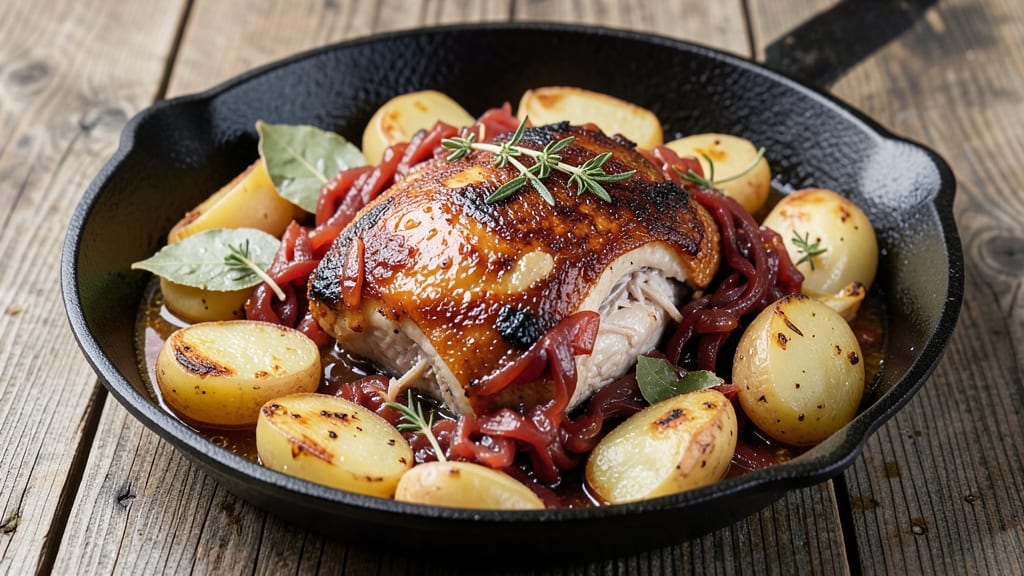
This chicken sauerkraut and potatoes recipe delivers the kind of hearty, one-pan comfort that feels like a hug from German countryside traditions. Growing up in small-town Georgia, I learned how simple ingredients—sauerkraut's tangy punch, potatoes' earthy sweetness, and chicken's savory depth—could transform a weeknight into a celebration.
The secret lies in balancing those flavors through slow braising, where the sauerkraut's acidity tenderizes the chicken while the potatoes soak up all that rich, herby goodness.
The beauty of this dish is its simplicity: one pan, minimal prep, and a method that rewards patience. You'll start with pan-seared chicken thighs for crispy skin and juicy centers, then layer in sauerkraut and potatoes to braise together.
The result is a dish where every bite delivers that perfect harmony of textures—tender chicken, buttery potatoes, and sauerkraut that's just crisp enough to cut through the richness. It's the kind of meal that tastes even better the next day, when flavors have fully melded.
What makes this recipe particularly satisfying is how it transforms humble ingredients into something extraordinary without requiring fancy techniques. The chicken develops deep flavor from the sauerkraut's brine, while the potatoes become fork-tender without falling apart.
Serve it with a cold German lager or a dollop of mustard sauce for that authentic touch, and you've got a complete meal that feels like a restaurant experience at home.
This dish is perfect for family dinners, potlucks, or whenever you crave something substantial yet comforting. The leftovers keep well for days, making it an ideal make-ahead option for busy weeks. Here's how to bring this classic German comfort to your table with professional results and minimal fuss.
Ingredients for chicken sauerkraut potato
German countryside comfort meets one-pan simplicity with these hearty ingredients.
| Ingredient | Amount | Notes |
|---|---|---|
| Chicken Thighs, Bone-In 🍗 | 1 ½ lb | Skin-on, cut into even pieces |
| Yellow Onions 🧅 | 1 whole | Medium size, sliced into half-moons |
| Russet Potatoes 🥔 | 2 lb | Cut into 1-inch chunks, peeled |
| Sauerkraut, Unpasteurized 🥬 | 2 cups | Drained, rinsed if too acidic |
| Fresh Thyme Sprigs 🌿 | 4 whole | Leaves stripped from stems |
| Fresh Bay Leaves 🍃 | 2 whole | For aromatic depth |
| Extra-Virgin Olive Oil 🫒 | ¼ cup | For searing chicken |
| Dijon Mustard 🍯 | 1 tbsp | For tangy richness |
| Dry White Wine 🍷 | ½ cup | Sauvignon Blanc preferred |
| Chicken Broth 💧 | 1 ½ cups | Low-sodium preferred |
| Kosher Salt 🧂 | 1 ½ tsp | Diamond Crystal preferred |
| Freshly Ground Black Pepper 🌶️ | ½ tsp | For seasoning |
| Fresh Parsley 🌿 | ¼ cup | Chopped, for garnish |
The chicken thighs are the foundation—bone-in, skin-on pieces deliver unmatched flavor and moisture. Look for thighs with good marbling at specialty butchers or high-end grocery stores like Whole Foods or Eataly. If you can't find bone-in, skin-on thighs, substitute bone-in, skinless as a second choice. The sauerkraut should be unpasteurized for authentic tang, available in the refrigerated section of most grocery stores. Bubba's or Rehr's brands are excellent choices. For the potatoes, russets are ideal—they hold their shape during braising while developing a creamy texture. Pre-peeling and cutting them ahead saves time during the busy searing stage.
No unpasteurized sauerkraut? Pasteurized will work in a pinch, though it lacks that signature tang. Substitute with 1 cup of white wine vinegar plus 1 tbsp sugar to mimic the acidity. Fresh thyme and bay leaves can be swapped for 1 tsp each of dried thyme and bay leaf powder, though fresh imparts superior aroma. The white wine adds brightness—substitute with extra chicken broth plus 1 tbsp lemon juice if unavailable. For the mustard, Dijon is essential; whole-grain mustard won't provide the same smooth texture. The extra-virgin olive oil should have a peppery finish—California Olive Ranch or Bertolli are reliable brands. If you're avoiding wine, increase the broth to 2 cups and add 1 tbsp apple cider vinegar for depth.
This dish tastes even better the next day as flavors meld. Store leftovers in an airtight container in the refrigerator for up to 4 days. For longer storage, freeze portions in sealed containers for up to 3 months. The potatoes and chicken can be prepped ahead—store separately in the fridge until ready to braise. When reheating, add 1-2 tbsp water or broth to prevent drying. Garnish with fresh parsley just before serving to maintain vibrant color. For serving, pair with a cold German lager or a dollop of homemade mustard sauce to elevate the dish to restaurant-quality standards.
Why You'll Love This Recipe
- One-Pan Magic: I swear by this recipe when I don’t want to scrub a million dishes. The Dutch oven does all the work—chicken, potatoes, and sauerkraut all cook together while I sip my coffee. Just slice, sear, simmer, and serve. That’s it.
- Tangy-Creamy Balance: Honestly, the sauerkraut and Dijon mustard combo is where this dish shines. The tang cuts through the richness of the chicken thighs, while the caramelized onions and thyme add this deep, earthy warmth. It’s the kind of flavor that makes you close your eyes and savor every bite—no fancy plating needed.
- Meal Prep Dream: Between us, this is my go-to for busy nights and lazy Sundays. The leftovers reheat beautifully (up to 4 days in the fridge, or freeze for months), and the flavors only get better the next day. Pack it for lunch or serve it cold with a dollop of sour cream—it’s that versatile.
- Budget-Friendly Feast: You’re getting a full meal for under $15, thanks to affordable chicken thighs, hearty potatoes, and pantry staples like sauerkraut and broth. Plus, the wine and olive oil make it feel special without breaking the bank. It’s the kind of dish that makes you feel like you’re treating yourself, even when you’re just feeding the family.
Step-by-step instructions for chicken sauerkraut and potatoes
A hearty German-inspired dish that delivers deep flavors and satisfying textures in one pan.
Sear the Chicken Until Golden Brown
Heat the 0.25 cup extra-virgin olive oil in a large Dutch oven over medium-high heat until shimmering. Pat the 1.5 lb chicken thighs, bone-in dry with paper towels and season generously with 1.5 tsp kosher salt and 0.5 tsp freshly ground black pepper. Place the chicken skin-side down in the pan and sear undisturbed for 5-6 minutes until the skin is deeply golden and crispy.
Here's the thing—don't rush this step. The rendered fat from the chicken skin will create the foundation for your sauce. Once the skin is crisp and the chicken releases easily from the pan, flip the thighs and sear the other side for another 3-4 minutes. Remove the chicken and set aside on a plate, leaving the rendered fat in the pan.
Build the Sauce with Aromatics and Wine
In the same Dutch oven, add the sliced 1 whole yellow onions and cook over medium heat for 5-6 minutes until softened and beginning to caramelize. Add the 1 tbsp Dijon mustard and stir to combine, allowing it to cook for 1 minute to deepen its flavor.
Pour in the 0.5 cup dry white wine and scrape up any browned bits from the bottom of the pan with a wooden spoon. This deglazing step captures all the concentrated flavors. Let the wine simmer for 3-4 minutes until reduced by half, creating a glossy, flavorful base for your dish.
Simmer Potatoes and Sauerkraut Together
Add the 2 lb russet potatoes, cut into 1-inch chunks, to the Dutch oven. Pour in the 1.5 cups chicken broth and bring the mixture to a gentle simmer. Stir in the 2 cups sauerkraut, unpasteurized, the 4 whole fresh thyme sprigs (leaves stripped from stems), and the 2 whole fresh bay leaves. Cover and simmer for 15-18 minutes until the potatoes are tender when pierced with a fork.
Real talk: The potatoes should be fork-tender but not falling apart. If the liquid reduces too quickly, add a splash of water to maintain a gentle simmer. The sauerkraut will soften slightly but retain its tangy texture, balancing the richness of the chicken and potatoes.
Return Chicken and Finish with Herbs
Carefully return the seared chicken thighs to the Dutch oven, skin-side up. Cover and simmer for an additional 10-12 minutes until the chicken reaches an internal temperature of 165°F and the juices run clear. The residual heat will finish cooking the chicken while absorbing the flavors of the sauce.
Remove the chicken from the pan and let it rest for 5 minutes before serving. Discard the thyme sprigs and bay leaves. Stir in the 0.25 cup fresh parsley, chopped, for a bright finish. The parsley not only adds freshness but also ties all the flavors together beautifully.
Serve with Crispy Skin and Tangy Sauce
Slice the chicken thighs against the grain and arrange them over the potatoes and sauerkraut. Spoon the flavorful sauce from the pan over the top. The contrast of crispy chicken skin, tender potatoes, and tangy sauerkraut creates a harmonious balance of textures and flavors.
This dish delivers on comfort with its rich, savory depth and satisfying bite. Serve immediately with crusty bread to soak up every last drop of that delicious sauce—it's worth the effort, and you'll want to make it again.
Pro Tips For Making Chicken Sauerkraut Potato
- Don’t Rush the Wine: Let that 0.5 cup dry white wine bubble away until it’s actually reduced by half—about 3-4 minutes of steady simmering. Skimping here means a flat, thin sauce instead of a rich, glossy one that clings to every bite. (Yes, even if you’re impatient like me.)
- Test Potatoes Early: The 2 lb russet potatoes need to be fork-tender but not mush—so check them at 15 minutes, not 18. If they’re still firm, cover and wait another 2-3 minutes. Overcooking turns them gluey, and no one wants sad, waterlogged spuds in this dish.
- Rinse Sauerkraut Judiciously: That 2 cups unpasteurized sauerkraut might taste like a pickle bomb if it’s too sharp—so rinse it only if it’s overwhelming. Drain well, then taste a spoonful before adding. You’re aiming for tangy, not vinegary. (Trust me, you’ll regret it if you skip this.)
- Rest Chicken Like Your Life Depends On It: After pulling those thighs from the pan, give them a solid 5 minutes under foil before slicing. This lets the juices redistribute, so every bite stays juicy—not dry and stringy. (Your future self will thank you.)
Dietary considerations for this dish
Gluten-Free Adaptation
This dish is naturally gluten-free, but watch the sauerkraut label—some brands add wheat flour as a thickener. I always check the packaging or opt for Bubba's or Rehr's brands, which are certified gluten-free.
The wine and broth must also be gluten-free, so I recommend Freixenet white wine and Imagine gluten-free chicken broth. The potatoes and chicken are inherently safe, so no substitutions are needed beyond verifying your sauerkraut. 🌾
Low-Carb Version
Swap the 2 lb russet potatoes for 2 cups cauliflower florets to cut carbs while keeping the dish hearty. Roast the cauliflower separately with 1 tbsp olive oil, ½ tsp salt, and ¼ tsp black pepper at 425°F for 20 minutes until crispy.
The texture won't be identical, but it adds a satisfying bite. For extra richness, stir in 2 tbsp sour cream at the end. 🥬
Dairy-Free Option
This recipe is already dairy-free, but if you're avoiding all potential traces, double-check your sauerkraut for whey or milk additives. The only dairy concern is butter, which isn't used here. For extra flavor, add 1 tbsp nutritional yeast when stirring in the parsley—it adds a cheesy depth without dairy. 🥛
Protein Swaps
For a lighter option, replace the chicken with 1.5 lb pork tenderloin, cut into even pieces. Sear it the same way but reduce the cook time to 8-10 minutes after returning it to the pan.
If you prefer seafood, try 1.5 lb firm white fish like cod or halibut, cooking it for just 6-8 minutes after adding it back to the pan. The sauerkraut's acidity works beautifully with fish. 🐟
Vegetarian Adaptation
Swap the chicken for 1.5 lb extra-firm tofu, pressed and cubed, or 2 cups chickpeas for a heartier option. Sauté the tofu or chickpeas in 1 tbsp olive oil until golden before removing them.
Return them to the pan with the potatoes and sauerkraut, simmering for 10 minutes to absorb flavors. Add 1 tbsp soy sauce to the chickpeas for extra umami. 🌱
Allergen-Friendly Notes
This recipe is nut-free and egg-free by default, but always verify ingredient labels. For soy allergies, avoid chickpea substitutions and stick with tofu or chicken.
If you're sensitive to nightshades, omit the Dijon mustard and replace it with 1 tbsp apple cider vinegar plus ½ tsp sugar to maintain tanginess. 🚫
Nutrition facts
Frequently asked questions
Why does this recipe use bone-in chicken thighs instead of breasts?
The bone-in, skin-on thighs stay juicier and develop deeper flavor during the long braising process. The bone adds natural richness, while the skin creates crispy, flavorful edges when seared. Bone-in chicken also cooks more evenly than breasts, which can dry out in sauerkraut's acidic environment. For best results, don't substitute boneless breasts—they'll lose moisture and flavor.
Can I make this dish ahead of time for a dinner party?
This recipe actually tastes better the next day as flavors meld. Prepare everything up to Step 4, then refrigerate the assembled dish (covered) for up to 24 hours. Reheat gently in the Dutch oven over low heat for 15-20 minutes, adding 2-3 tbsp water if needed to prevent drying. The sauerkraut's acidity helps preserve moisture, making reheating effortless.
What's the best way to achieve crispy chicken skin?
Pat the chicken thighs extremely dry with paper towels before seasoning—moisture is the enemy of crispiness. Use a large Dutch oven (not a small skillet) to prevent overcrowding, and sear skin-side down over medium-high heat for the full 5-6 minutes without moving. The key is patience—the skin needs time to render fat and crisp thoroughly. Don't peek or flip too soon!
How can I adjust this for a larger crowd?
Double all ingredients (including the 0.25 cup olive oil and 0.5 cup wine) and use a 6-8 quart Dutch oven. For even cooking, arrange chicken pieces in a single layer and sear in batches if needed. The potatoes and sauerkraut can be added all at once—they'll adjust to the pan size. For serving, consider two 12-inch cast-iron skillets instead of one large pot.
What happens if I skip the wine?
You'll lose some brightness, but the dish will still work. Replace the 0.5 cup dry white wine with 0.5 cup chicken broth plus 1 tbsp lemon juice to maintain acidity. The mustard and sauerkraut will still provide tang, but the wine adds a subtle complexity that's hard to replicate. For best results, use a Sauvignon Blanc—its crisp acidity cuts through the richness beautifully.