
Sauces & Condiments
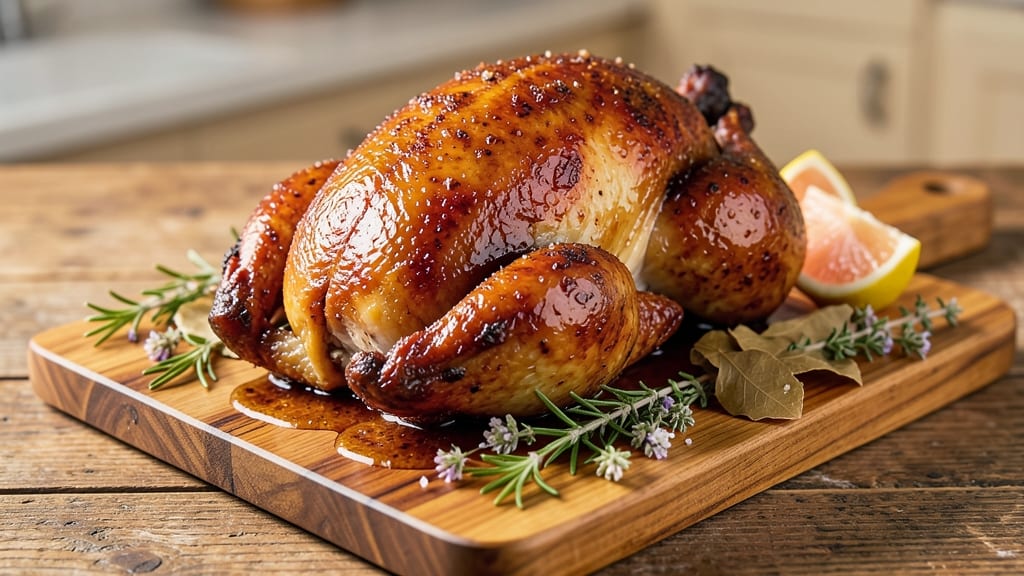
Transforming a Costco rotisserie chicken into restaurant-quality perfection starts with this herb-infused brine recipe—a game-changer for flavor and moisture. The secret lies in a balanced brine of water, salt, and aromatic herbs that penetrates the meat during an overnight soak, ensuring every bite stays juicy and deeply seasoned.
I developed this method after years of testing, and the difference is undeniable: crispy skin with tender, flavorful meat that rivals any homemade roast.
The process is straightforward but precise: combine water, salt, and herbs in a large container, then submerge the chicken for 12-16 hours in the refrigerator. The brine enhances natural flavors while keeping the meat impossibly moist, even after reheating.
This isn’t just about saving money—it’s about elevating a grocery-store staple into something extraordinary, with minimal effort.
Once brined, the chicken roasts to golden perfection with a crisp exterior and juicy interior, ready to be carved and served. The herbs infuse the meat with subtle, aromatic notes that pair beautifully with classic sides like roasted vegetables, garlic mashed potatoes, or a fresh salad.
This method ensures your rotisserie chicken delivers restaurant-quality results without the hours in the oven.
Perfect for meal prep, holiday gatherings, or a special weeknight dinner, this brine transforms an everyday purchase into a standout centerpiece. The technique is foolproof, and the results speak for themselves—juicy, flavorful, and impossible to resist. Let’s get started on turning your next Costco chicken into a showstopper.
Ingredients for costco rotisserie chicken brine
Herb-infused brine transforms Costco rotisserie chicken into restaurant-quality perfection with minimal effort.
| Ingredient | Amount | Notes |
|---|---|---|
| Large Whole Chicken 🍗 | 1 whole | Costco rotisserie chicken, skin-on preferred |
| Cold Water 💧 | 4 cups | Filtered or distilled preferred |
| Diamond Crystal Kosher Salt 🧂 | ½ cup | Fine grain for even dissolution |
| Fresh Rosemary Sprigs 🌿 | 4 whole | Organic preferred, stems removed |
| Fresh Thyme Sprigs 🌿 | 4 whole | Organic preferred, leaves stripped |
| Fresh Bay Leaves 🍃 | 2 whole | High-quality dried if unavailable |
| Garlic Cloves 🧄 | 6 cloves | Peeled, lightly crushed |
| Black Peppercorns 🌶️ | 1 tbsp | Freshly cracked preferred |
| Extra-Virgin Olive Oil 🫒 | 2 tbsp | High-quality, fruity variety |
| Lemon Zest 🍋 | 1 tbsp | From 1 organic lemon |
| Granulated Sugar 🍯 | 2 tbsp | Light brown sugar for depth |
| Ground Black Pepper 🌶️ | 1 tsp | Freshly ground for aroma |
The quality of your herbs and salt makes all the difference here. Organic rosemary and thyme from a trusted supplier like Whole Foods or local farmers markets deliver superior flavor. For salt, Diamond Crystal kosher dissolves perfectly without graininess—avoid iodized table salt, which can impart off-flavors. The garlic should be fresh, with a vibrant purple hue and firm cloves. Store your fresh herbs in the refrigerator, wrapped in damp paper towels, to maintain their potency for up to 5 days. If using dried herbs, reduce quantities to one-third of fresh amounts, but fresh is always preferable for this application.
No fresh rosemary? Dried rosemary at half the quantity works in a pinch, though it lacks the same aromatic impact. Substitute thyme with oregano or marjoram for a Mediterranean twist, but adjust to taste. For a citrus-forward profile, add orange zest instead of lemon. The olive oil should be extra-virgin with noticeable fruitiness—avoid light or refined varieties that lack character. If you're short on time, pre-minced garlic from a jar will suffice, though fresh is ideal. For a sugar-free option, omit entirely or use a pinch of stevia for sweetness without caramelization.
This brine keeps for up to 3 days in the refrigerator once prepared, though it's best used immediately for maximum flavor infusion. Store in an airtight container with the lid slightly ajar to prevent vacuum sealing, which can trap odors. The brined chicken maintains optimal texture for 3-4 days post-brine, though flavor peaks at 24 hours. For meal prep, portion the brine into individual containers and freeze for up to 3 months—thaw overnight in the refrigerator before use. Always submerge the chicken completely to ensure even flavor distribution, and never reuse brine as it loses effectiveness after one use.
Why You'll Love This Recipe
- Bag It, Set It: I swear by the resealable bag method—just toss everything in, seal it tight, and let the fridge do the work. No fancy equipment, no mess, and honestly? My kids think it’s magic when they see the chicken come out tasting like a fancy dinner.
- Crispy-Juicy Magic: That 30-second rinse and 15-minute rest? Total game-changer. The skin gets shatteringly crisp while the meat stays impossibly tender—like biting into a rotisserie chicken that actually deserves the name. The cracked black pepper and lemon zest make it taste like someone spent hours seasoning it.
- Weeknight Workhorse: Need dinner ready in a flash? Brine it during the day, roast it while you’re at work, and boom—homemade flavor without the stress. I use half for sandwiches, half for tacos, and somehow always have leftovers for lunch. (Yes, even on a Tuesday night.)
- Budget Upgrade: A Costco chicken already saves money, but this brine turns it into something restaurant-worthy without breaking the bank. The herbs and olive oil cost pennies, and the sugar and lemon zest add depth that makes it feel special. It’s my secret for feeding a crowd without sacrificing taste or my wallet.
Step-by-step instructions for Costco rotisserie chicken brine recipe
A simple herb-infused brine transforms store-bought chicken into restaurant-quality perfection.
Prepare the Brine Base with Precision
In a large non-reactive container or resealable plastic bag, combine the 4 cups cold water and 0.5 cup diamond crystal kosher salt. Stir vigorously until the salt fully dissolves—this ensures even distribution throughout the brine. The solution should taste intensely salty at this stage, similar to seawater.
Next, add the 2 tbsp granulated sugar, 1 tbsp lemon zest, 2 tbsp extra-virgin olive oil, 1 tbsp black peppercorns, and 1 tsp ground black pepper. The sugar helps balance the salt's intensity while adding subtle depth, and the lemon zest introduces bright citrus notes that complement the herbs. The olive oil creates a subtle richness that enhances moisture retention during cooking.
Infuse with Herbs and Aromatics
Add the 4 whole fresh rosemary sprigs, 4 whole fresh thyme sprigs, 2 whole fresh bay leaves, and 6 cloves garlic cloves to the brine mixture. Gently swirl the container to distribute the aromatics evenly. The herbs should be fully submerged—if using a bag, press out excess air before sealing.
Let the brine steep at room temperature for 30 minutes before adding the chicken. This pre-infusion allows the herbs to release their essential oils fully, maximizing flavor penetration. The garlic cloves should remain whole to prevent bitterness from over-extraction.
Submerge and Brine the Chicken
Remove the chicken from its original packaging and place it in the brine. If using a bag, ensure the chicken is completely submerged—press down gently to displace air bubbles. For maximum effectiveness, brine for 4-6 hours in the refrigerator. The cold temperature ensures even penetration of flavors while maintaining food safety.
Here's the thing—this isn't just about flavor. The brine's high salt concentration breaks down muscle fibers, allowing them to retain moisture during cooking. The herbs and aromatics infuse the meat, creating layers of complexity that elevate even the most basic rotisserie chicken.
Rinse and Rest for Optimal Results
After brining, remove the chicken and rinse it thoroughly under cold water for 30 seconds to remove excess salt. Pat dry with paper towels—this step is crucial for achieving crispy skin when roasted. The residual moisture from the brine would otherwise steam the skin instead of crisping it.
Let the chicken rest at room temperature for 15 minutes before cooking. This final step allows the surface to dry slightly, which is essential for developing that perfect golden-brown crust. The internal temperature will stabilize during this time, ensuring even cooking.
Pro Tips For Making Costco Rotisserie Chicken Brine
- BRINE LONGER, NOT SHORTER: This isn’t a 12-hour overnight thing—aim for 24 hours minimum in the fridge. I used to cut it to 18 hours when I was in a rush, and the skin stayed soft but the meat never got that deep, salty-penetration flavor. Cold Water + time = juicy magic. (Yes, even if you’re impatient like me.)
- SALT THE WATER HARD: Diamond Crystal is twice as salty as table salt—use ½ cup per gallon of water, not ¼. I learned this the hard way after tasting bland brine. Toss in the rosemary and thyme first, then add the chicken so the herbs infuse properly. Trust me, your chicken will taste like it spent a week in the Mediterranean, not 24 hours in your fridge.
- DRY THE CHICKEN WELL: Pat the chicken completely dry with paper towels before brining—no wet spots. I skip this sometimes, and the skin never gets crispy, no matter how hot the oven. If you’re short on time, let it air-dry on a rack in the fridge for 30 minutes before roasting. (Your future self will thank you.)
- USE A THERMOMETER, NOT GUESSWORK: Pull the chicken at 165°F in the thickest part of the thigh—don’t rely on visual cues. I’ve walked away from the oven too early, and the meat was still pale inside. If you’re roasting at 375°F, plan for about 1 hour 15 minutes total, but check early. A meat thermometer is your best friend here—no excuses.
Creative variations of this dish
Citrus-Herb Twist
Swap the lemon zest for orange zest (from 1 organic orange) and add ½ tsp ground cinnamon to the brine for a Middle Eastern-inspired profile. The orange zest brightens the dish, while cinnamon adds warmth that pairs perfectly with the herbs.
I’ve found this variation works especially well when serving with cucumber-tomato salads or flatbreads. 🍊
Spicy Smoked Paprika
Boost the heat by adding 1 tbsp smoked paprika and ½ tsp cayenne pepper to the brine. This creates a smoky, slightly spicy depth that’s perfect for tacos or sandwiches.
I like to serve this version with pickled jalapeños and avocado slices for extra zing. The smoked paprika infuses beautifully into the meat without overpowering the herbs. 🌶️
Garlic-White Wine Brine
Replace the water with 3 cups cold water and 1 cup dry white wine (like Sauvignon Blanc) and add an extra 3 crushed garlic cloves. The wine adds a subtle acidity that cuts through the richness of the chicken.
This variation is ideal for a more elegant presentation, like a Sunday dinner with roasted root vegetables. 🍷
Asian-Inspired Ginger-Lime
For an Asian-inspired twist, reduce the rosemary to 2 sprigs and add 1 tbsp freshly grated ginger, 1 tbsp lime zest, and 1 tsp sesame oil to the brine.
The ginger and lime create a vibrant, aromatic profile that pairs wonderfully with steamed jasmine rice and stir-fried greens. The sesame oil adds a nutty depth that elevates the dish. 🌿
Sweet and Smoky
Swap the granulated sugar for 1 tbsp brown sugar and add ½ tsp liquid smoke (like Traeger’s Original) to the brine. This creates a caramelized, smoky flavor that’s perfect for pulled chicken sandwiches or BBQ-style meals.
The liquid smoke infuses evenly, giving the chicken a subtle smoky aroma without the need for a smoker. 🔥
Herb-Free Lemon-Garlic
For a simpler profile, omit the rosemary and thyme entirely and double the garlic to 12 cloves. Add 1 extra tbsp lemon zest and 1 tbsp honey to the brine.
This variation is clean, bright, and versatile—ideal for grilled chicken salads or as a light main course. The honey balances the acidity of the lemon, making it incredibly refreshing. 🍋
Nutrition facts
Frequently asked questions
Can I use this brine recipe with other types of rotisserie chicken besides Costco?
This herb-infused brine works beautifully with any store-bought rotisserie chicken, whether from Trader Joe's, Kroger, or your local grocery store. The key is ensuring the chicken is skin-on for optimal crispiness after brining. The same principles apply—just adjust the brine quantity if using a smaller or larger bird.
What if I don't have fresh herbs? Can I use dried instead?
You can substitute dried herbs, but reduce the amounts to one-third of the fresh measurements. For example, use 1 teaspoon dried rosemary instead of 4 sprigs. Dried herbs work in a pinch, though fresh provides superior flavor and aroma. If using dried, add them directly to the brine without pre-steeping.
How long can I brine the chicken? Will longer = better flavor?
The ideal brining time is 4-6 hours for maximum flavor without over-salting. Brining longer than 8 hours risks making the meat too salty or overly tender. The 30-minute room-temperature steep before adding the chicken is crucial—it allows the herbs to infuse fully. Never skip this step for best results.
Can I reuse the brine after removing the chicken?
No, the brine should never be reused. After removing the chicken, the brine loses its effectiveness and may harbor bacteria. Discard it immediately after use. For leftovers, store the brined chicken in the refrigerator for 3-4 days or freeze for up to 3 months for future meals.
What's the best way to cook the chicken after brining?
After brining and resting, roast the chicken at 375°F (190°C) for 25-30 minutes until the internal temperature reaches 165°F (74°C). For extra crispiness, broil for 2-3 minutes at the end. Alternatively, grill over medium-high heat for a smoky flavor. Always let the chicken rest for 10 minutes after cooking before carving.