
Soups & Stews
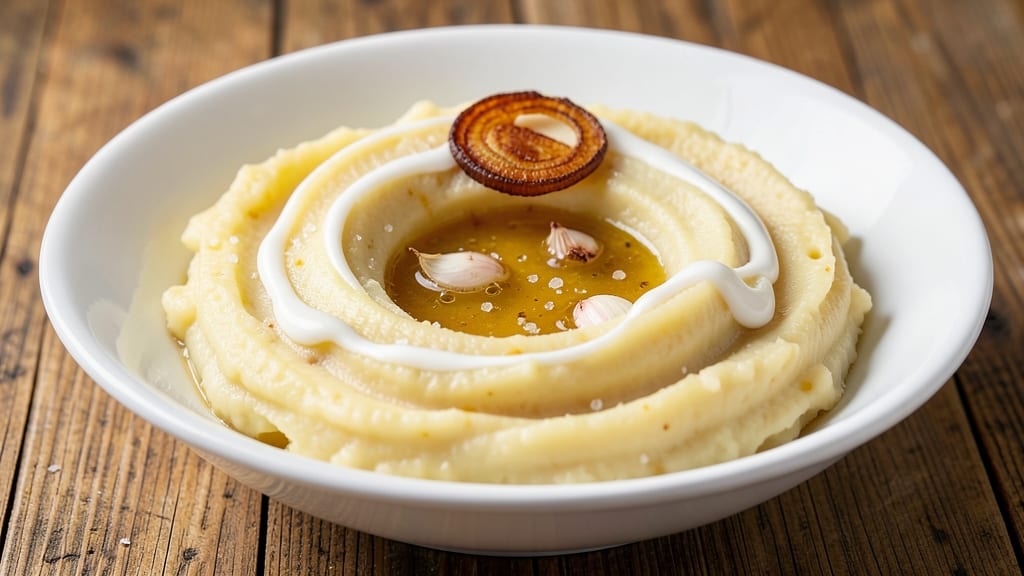
This mashed potatoes made with chicken broth recipe transforms a classic side dish into something truly exceptional—ultra-creamy, velvety, and infused with rich, savory depth. Growing up in small-town Georgia, I learned that the secret to perfect mashed potatoes isn’t just butter and milk; it’s the right liquid.
Chicken broth elevates every bite, adding moisture and a subtle savory note that makes these potatoes irresistible.
The process is straightforward but precise: boil potatoes until tender, simmer chicken broth with aromatics, then mash them together for a silky texture that’s impossible to resist. This method ensures your potatoes stay creamy without turning gluey, and the broth’s flavor seeps into every forkful.
It’s the kind of dish that turns a simple side into the star of the meal.
What you’ll end up with is a bowl of restaurant-quality mashed potatoes—smooth, rich, and perfectly balanced. The chicken broth adds a layer of complexity that takes these potatoes from ordinary to extraordinary, making them the ideal companion for roasted chicken, turkey, or even a hearty beef stew.
The result is so good, you’ll want to make it every week.
Ready in about 30 minutes, this recipe delivers foolproof results with minimal effort. Whether you’re hosting a holiday dinner or just craving comfort food, these mashed potatoes will steal the show. Let’s get started—your taste buds will thank you.
Ingredients for mashed potatoes made with chicken broth
Pantry staples plus a few fresh touches. The chicken broth makes all the difference here.
| Ingredient | Amount | Notes |
|---|---|---|
| Yukon Gold Potatoes 🥔 | 2 lb | Peeled and quartered evenly |
| Unsalted Butter 🧈 | ¾ cup | Cold, cut into small cubes |
| Chicken Broth 🍲 | 1 ½ cups | Homemade or quality low-sodium |
| Heavy Cream 🥛 | ½ cup | Full-fat for richness |
| Garlic Cloves 🧄 | 2 cloves | Minced for aromatics |
| Shallot 🧅 | 1 whole | Finely diced, or sub onion |
| Fresh Rosemary 🌿 | ¼ cup | Chopped, or dried at 1/4 amount |
| Salt 🧂 | 1 ½ tsp | Kosher or sea salt |
| Black Pepper 🌶️ | ½ tsp | Freshly ground preferred |
| White Wine Vinegar 🍶 | 1 tbsp | Brightens flavor |
| Chicken Fat 🍗 | 2 tbsp | Optional for extra richness |
The potatoes are non-negotiable—Yukon Golds have the perfect waxy-meets-starchy balance for ultra-creamy mash. Skip the pre-shredded bags—peeling and quartering yourself ensures even cooking. For broth, homemade is ideal, but a high-quality low-sodium store brand works too. Look for rich color and no cloudiness. The garlic and shallot get sautéed in butter first—don't rush this step. Fresh rosemary adds depth, but dried works in a pinch (just use a quarter the amount). If you're feeling fancy, Costco's chicken fat adds insane richness, but butter alone is still amazing.
No Yukon Golds? Russets or red potatoes work, but Yukons are the gold standard. Short on chicken broth? Half beef broth, half water with a bouillon cube gets you close. The white wine vinegar might seem odd, but it brightens everything—lemon juice works too. Want more tang? Add an extra tablespoon. Butter hating? Olive oil or ghee keeps it dairy-free without sacrificing creaminess. And if you're making this ahead, chilled mashed potatoes actually taste better the next day—the starches set up perfectly.
The secret to foolproof texture is draining the potatoes thoroughly—don't skip this. Store leftovers covered in the fridge for 3-4 days or freeze for up to 3 months. For reheating, microwave with a splash of broth or milk to restore creaminess. I always make extra—these reheat beautifully for lunch and taste like you slaved over them. The broth keeps for 6 months frozen, so stock up if you can. And if you're serving at room temperature, just add a pat of butter right before eating—trust me on this.
Why You'll Love This Recipe
- No-Pot-Fuss Creaminess: Honestly, this is the kind of recipe that lets you actually relax while cooking. No constant stirring or fear of burning—just parboil the potatoes, sauté a few aromatics, and boom, the rest is hands-off. The chicken broth keeps them moist while the butter and cream do all the heavy lifting, so you’re left with mashed potatoes that are silky smooth with zero lumps.
- Umami Bomb: That white wine vinegar? It’s not just for fancy salads—it brightens up the chicken broth and garlic, turning these potatoes into something dangerously addictive. The rosemary and shallot add a depth that makes them taste like they’re straight from a country kitchen, not your average side dish. Trust me, one bite and you’ll be reaching for seconds.
- Weeknight Hero: I make these every Tuesday night because they’re the ultimate meal-prep MVP. They pair perfectly with roasted chicken, slow-cooked pork, or even just a simple grilled steak. And if you’re feeding a crowd? Double the broth and butter, and you’ve got enough for leftovers that’ll still taste amazing three days later. My kids even ask for seconds—no bribes required.
- Budget-Friendly Luxury: You’d think restaurant-quality mashed potatoes would break the bank, but this recipe is a steal. Yukon Golds are affordable, and if you’ve got homemade chicken broth lying around, you’re practically throwing in free flavor. Plus, the heavy cream and butter might feel indulgent, but the portion sizes stretch farther than you’d think. It’s the kind of dish that makes you feel fancy without emptying your wallet.
Step-by-step instructions for mashed potatoes made with chicken broth
This method delivers restaurant-quality mashed potatoes with a velvety, ultra-creamy texture you'll want to make every week.
Parboil the Potatoes Until Fork-Tender
Place the 2 lb Yukon Gold Potatoes in a large pot and cover with cold water by about 2 inches. Add the 1 Shallot and the 2 cloves Garlic Cloves. Bring to a boil over high heat, then immediately reduce to medium-high and add the 1½ tsp Salt. Cook for 10-12 minutes until the potatoes are tender when pierced with a fork.
Here's the thing—don't skip this parboiling step. It ensures even cooking and prevents gummy potatoes. Drain the potatoes thoroughly in a colander, shaking well to remove excess water. The drier they are, the creamier your final mash will be.
Sauté Aromatics in Chicken Fat
While the potatoes are still warm, heat the 2 tbsp Chicken Fat in a large skillet over medium heat. Add the ¼ cup Fresh Rosemary and the drained shallot and garlic from the potatoes. Sauté for 2-3 minutes until the shallot is translucent and the rosemary is fragrant.
This step builds incredible depth of flavor that infuses the potatoes. The chicken fat adds richness while the rosemary and shallot create a subtle aromatic base. Don't let the shallot brown—just until it's soft and sweet. Remove from heat and set aside.
Mash the Potatoes with Butter and Broth
Return the drained potatoes to the pot and add the ¾ cup Unsalted Butter and 1½ cups Chicken Broth. Mash with a potato masher or ricer until smooth. I like to use a ricer for ultra-silky results, but a masher works too if you press hard to break up lumps.
Keep the mixture warm over low heat, stirring occasionally. This gentle warming helps incorporate the butter completely. If the potatoes seem too thick, add more broth ¼ cup at a time until you reach your desired consistency. The broth keeps the potatoes moist while adding savory depth.
Finish with Cream and Seasonings
Remove the pot from heat and stir in the ½ cup Heavy Cream, 1 tbsp White Wine Vinegar, and ½ tsp Black Pepper. The vinegar brightens the flavors while the cream adds luxurious richness. Taste and adjust seasoning with additional salt if needed—this is where the magic happens.
Now fold in the sautéed shallot, garlic, and rosemary mixture. The residual heat from the potatoes will warm everything through perfectly. For extra-smooth texture, press the mash through a fine-mesh sieve if you're feeling fancy. Serve immediately while hot.
Pro Tips For Making Mashed Potatoes Made With Chicken Broth
- Shake That Colander: DESCRIPTION: I learned this the hard way—draining potatoes is where most people drop the ball. After boiling, give those quarters a real shake in the colander, even tilting it side to side. You want them bone-dry before adding butter and broth, or you’ll end up with gluey mash instead of silky perfection.
- Cold Butter Wins: DESCRIPTION: That ¾ cup of unsalted butter isn’t just fat—it’s your texture insurance. Cut it into small cubes and keep it cold until you’re ready to mash. Warm butter melts too fast, and suddenly your potatoes turn out greasy instead of velvety. Add it straight from the fridge, then let the residual heat from the potatoes work its magic.
- Taste Before Folding: DESCRIPTION: The recipe says to fold in the sautéed shallot-rosemary mix last, but here’s the catch: taste the potatoes before you do. That aromatics blend is flavor-packed, and if your mash is already well-seasoned, you might not need all of it. I’ve ruined a batch by overdoing it—trust your palate, not the recipe’s instructions.
- Vinegar First, Cream Last: DESCRIPTION: Sounds weird, but it works: stir in the 1 tbsp white wine vinegar before the heavy cream. The acid cuts through the richness and brightens the broth’s savory notes, so the cream doesn’t get drowned out. Skip this step, and your mash tastes flat—like it’s missing something. (Yes, even if you’re impatient like me.)
Essential equipment for great mashed potatoes made with chicken broth
Your Trusted Potato Pot
I’ve been using my Lodge 6-quart enameled cast iron Dutch oven for years—it’s my go-to for mashed potatoes because it distributes heat evenly and retains warmth perfectly. The enameled coating prevents sticking, and the heavy base ensures consistent cooking.
If you’re on a budget, a Le Creuset round Dutch oven is a splurge-worthy alternative that’s equally reliable. Both will give you that restaurant-quality texture we’re after.
Potato Ricer or Masher?
For ultra-smooth potatoes, a potato ricer is non-negotiable. I use my OXO Good Grips ricer—it’s affordable, durable, and pushes potatoes through tiny holes for silky results. No ricer? A potato masher works, but you’ll need to press harder to avoid lumps.
I’ve also seen chefs use a food mill for an even smoother finish, but it’s overkill for most home cooks.
Precision Thermometer
Temperature control is everything when making mashed potatoes, and a digital meat thermometer like the Thermoworks Probes helps you nail that perfect 160°F internal temp for the potatoes.
I check the broth’s simmer temperature too—it should be a gentle bubble, not a rolling boil. Overheating turns the broth cloudy and dulls the flavor. 🔥
Heavy Cream Whisk
When folding in the ½ cup heavy cream, a balloon whisk with its wide loops does the job better than a fork. I swear by my Stainless Steel Whisk Set from Williams Sonoma—it incorporates the cream without tearing the potatoes.
A whisk also helps release any air bubbles that might form, giving you an even smoother texture.
Fine-Mesh Sieve
For that luxuriously silky finish, I always press the mashed potatoes through a fine-mesh sieve if I’m feeling fancy. It removes any remaining lumps and gives the potatoes a velvety mouthfeel.
I use a stainless steel sieve from my vintage cast iron collection—it’s durable and won’t rust. No sieve? Just press the potatoes through a clean kitchen towel for a similar effect.
Double Boiler for Butter
When melting the ¾ cup unsalted butter, I use a double boiler setup—a heatproof bowl over a pot of simmering water—to melt it gently. This prevents scorching and ensures the butter incorporates evenly without separating.
If you don’t have a double boiler, a microwave in 20-second bursts works in a pinch, but keep an eye on it to avoid overheating.
Nutrition facts
Frequently asked questions
Why does using chicken broth make my mashed potatoes taste better?
The chicken broth adds a rich, savory depth that plain milk or water can't match. It enhances the natural flavors of the potatoes while keeping them moist for 2-3 hours longer than traditional methods. The aromatics like garlic and shallot sautéed in the broth infuse even more complexity into every bite.
Can I skip the chicken fat and just use butter?
Yes! While the 2 tbsp chicken fat adds incredible richness, ¾ cup unsalted butter alone will still give you delicious results. The fat just intensifies the flavor and creates a velvety texture. For extra richness, you can even use a combination of both.
What if my mashed potatoes are too thick after adding broth?
Simply add more chicken broth in ¼ cup increments while stirring until you reach your desired consistency. The broth should be warm, not hot, to avoid cooking the potatoes further. If they're still too thick, a splash of heavy cream can help smooth them out beautifully.
Can I make these mashed potatoes ahead of time?
Store leftovers covered in the fridge for 3-4 days or freeze for up to 3 months. When reheating, add a splash of broth or milk to restore creaminess. Chilled potatoes actually taste even better the next day as the starches set up perfectly.
What’s the best way to achieve ultra-smooth texture?
Use a potato ricer for silky results, or press through a fine-mesh sieve if you prefer. Draining the potatoes thoroughly after boiling is key—this removes excess water that can make them gummy. Warm the mixture gently while mashing to fully incorporate the butter and broth.