
Main Courses
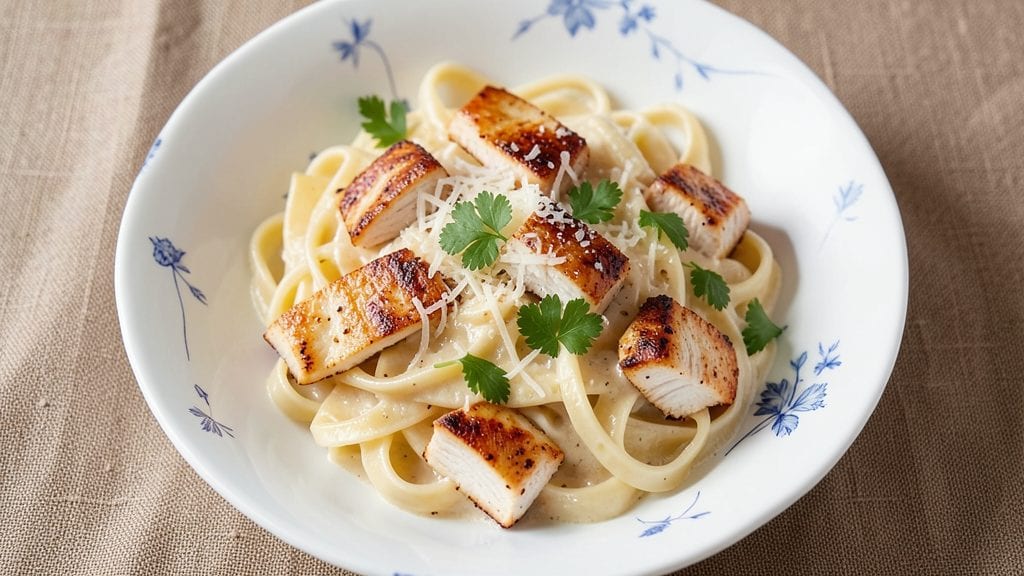
This Olive Garden Chicken Fettuccine Alfredo copycat recipe delivers the creamy, cheesy sauce that clings to every strand of fettuccine—just like the restaurant version. I've perfected the technique after years of testing, ensuring the sauce is rich without being overly heavy or breaking apart.
The key lies in proper browning of the chicken and a precise balance of cream, cheese, and butter in the sauce.
What sets this recipe apart is the foolproof method for achieving that signature creamy texture while keeping the dish restaurant-quality at home. You'll start with a simple seasoning on the chicken, then build the alfredo sauce by melting butter, adding cream, and incorporating cheese until smooth.
The fettuccine cooks directly in the sauce, absorbing all that velvety goodness for a dish that's impossible to resist.
By the time you plate it, you'll have tender chicken pieces nestled in a silky, clingy sauce that coats every noodle perfectly. The sauce stays creamy even when reheated, making this an ideal meal for busy weeknights or dinner parties.
The secret is patience—letting the sauce simmer gently so it thickens just enough without separating.
This recipe scales beautifully, whether you're feeding a family of four or a crowd. The instructions break down each step clearly, from browning the chicken to combining all components, so you can achieve that copycat perfection every time. Let's get started on making this Italian classic at home.
Ingredients for olive garden chicken fettuccine alfredo copycat
Pantry staples plus a few key ingredients. Creamy, cheesy perfection that sticks to every noodle.
| Ingredient | Amount | Notes |
|---|---|---|
| Boneless, Skinless Chicken Breast 🍗 | 1 ½ lb | Cut into 1-inch pieces |
| Fettuccine Noodles 🍝 | 12 oz | Uncooked, high-quality brand |
| Unsalted Butter 🧈 | ¾ cup | Full-fat for creaminess |
| Heavy Whipping Cream 🥛 | 1 cup | Full-fat preferred |
| Parmesan Cheese 🧀 | 1 ½ cups | Freshly grated, block preferred |
| Garlic Cloves 🧄 | 4 cloves | Minced, fresh preferred |
| All-Purpose Flour 🌾 | ¼ cup | For thickening sauce |
| Salt 🧂 | 1 ½ tsp | Kosher or sea salt |
| Ground Black Pepper 🌶️ | ½ tsp | Freshly ground preferred |
| Garlic Powder 🧄 | ½ tsp | For seasoning chicken |
| Dried Parsley 🌿 | 1 tbsp | For garnish, optional |
| Extra-Virgin Olive Oil 🫒 | 1 tbsp | For browning chicken |
| Red Pepper Flakes 🌶️ | ¼ tsp | Optional, for heat |
The Parmesan and butter are non-negotiable here. Grab a wedge of Parmigiano-Reggiano from the deli counter—pre-grated gets clumpy and lacks flavor. For butter, Land O'Lakes or Plugrá work great, but anything full-fat is fine. The chicken should be boneless, skinless breasts—Perdue or Tyson are reliable. Cut it into even 1-inch pieces so it cooks through without drying out. Fresh garlic makes a difference, but powder works in a pinch if you're short on time. I always grab extra Parmesan since it keeps for months in the freezer.
No heavy cream? Half-and-half or whole milk with a splash of cream cheese gets you close—just add a little extra Parmesan to balance. Short on butter? Olive oil or margarine work, but the sauce won't be quite as rich. The flour is just for thickening, so don't skip it—it's what keeps the sauce from breaking. For the fettuccine, De Cecco or Barilla are my go-tos, but any good-quality brand works. If you're making this ahead, cook the noodles al dente and toss them with a little olive oil to prevent sticking. The red pepper flakes are optional, but they add a nice kick if you like it spicy.
This sauce reheats beautifully—just add a splash of milk or cream to loosen it up. Keeps in the fridge for 3-4 days and freezes for 2-3 months. I like to portion the sauce into containers with the chicken and noodles so it's ready to go. The chicken can be browned ahead of time and stored separately. For serving, a sprinkle of fresh parsley (if you've got it) makes it look restaurant-worthy. The sauce gets even better the next day as the flavors meld together.
Why You'll Love This Recipe
- The secret’s in the sauce: full-fat butter, heavy cream, and 1.5 cups of freshly grated Parmesan make it rich enough to coat every noodle without being cloying. That crispy chicken? It’s the perfect contrast to the velvety sauce—every bite is a balance of textures.
- One-Skillet Magic: I love that this recipe turns one pan into a creamy, cheesy masterpiece. No extra dishes, just toss the chicken in olive oil, sear it golden, then let the same skillet become your sauce station—flour, garlic, cream, and butter all blend into that dreamy Alfredo without switching pots.
- Creamy, Cheesy Perfection: The secret’s in the sauce: full-fat butter, heavy cream, and 1.5 cups of freshly grated Parmesan make it rich enough to coat every noodle without being cloying. That crispy chicken? It’s the perfect contrast to the velvety sauce—every bite is a balance of textures.
- Leftover Hero: This dish actually tastes better the next day. The sauce thickens just right, and reheating it with a splash of pasta water keeps it luscious. I pack half for lunch, and honestly, my coworkers beg for the recipe—it’s that reliable.
Step-by-step instructions for olive garden chicken fettuccine Alfredo
This copycat recipe delivers that signature creamy, cheesy sauce that clings perfectly to every noodle.
Season and Brown the Chicken
Cut the 1½ lb boneless, skinless chicken breast into 1-inch pieces. In a bowl, toss the chicken with ½ tsp garlic powder, ½ tsp ground black pepper, and 1½ tsp salt until evenly coated. This seasoning ensures every bite has that signature flavor.
Heat 1 tbsp extra-virgin olive oil in a large skillet over medium-high heat until shimmering. Add the seasoned chicken and cook for 5-6 minutes, stirring occasionally, until the pieces are golden brown and cooked through. The chicken should reach an internal temperature of 165°F. Remove the chicken from the skillet and set it aside on a plate.
Make the Creamy Alfredo Sauce
In the same skillet, reduce the heat to medium and add 4 minced garlic cloves. Sauté for 30 seconds until fragrant—don't let it brown, or it'll turn bitter. Immediately whisk in ¼ cup all-purpose flour and cook for 1 minute, stirring constantly to form a smooth paste. This creates the perfect thickening base for the sauce.
Gradually pour in 1 cup heavy whipping cream while whisking vigorously to prevent lumps from forming. Let the mixture simmer for 2-3 minutes until slightly thickened. Then, reduce heat to low and stir in ¾ cup unsalted butter and 1½ cups freshly grated Parmesan cheese until fully melted and smooth. The sauce should be velvety and rich, clinging to the back of a spoon. If it's too thick, add 1 tablespoon of reserved pasta water at a time to adjust consistency.
Cook the Fettuccine Noodles
Bring a large pot of water to a rolling boil and add the 12 oz fettuccine noodles. Cook according to package instructions until al dente—about 1 minute less than suggested. Reserve ½ cup of pasta water before draining, as this starchy liquid is key for adjusting the sauce consistency later.
Once drained, return the fettuccine to the pot and toss with the creamy Alfredo sauce over medium heat. Stir in the browned chicken pieces and heat through for 1-2 minutes. The sauce should now coat the noodles perfectly, creating that signature Olive Garden texture. If needed, add reserved pasta water 1 tablespoon at a time until the sauce reaches your desired consistency.
Finish and Serve
Remove the skillet from heat and stir in ¼ tsp red pepper flakes (if using) and 1 tbsp dried parsley. Taste and adjust seasoning with additional salt or pepper if needed. The sauce should be rich, creamy, and perfectly balanced with a hint of spice.
Serve immediately, garnished with extra grated Parmesan cheese and fresh parsley if desired. The sauce will continue to thicken slightly as it sits, so don't wait too long before serving. Each forkful should deliver that iconic creamy, cheesy flavor that clings to every strand of fettuccine.
Pro Tips For Making Olive Garden Chicken Fettuccine Alfredo Copycat
- Grate Parmesan Fresh: Pre-shredded Parmesan is full of anti-caking agents that make it clump like glue in your sauce. Grab a block, use a microplane or box grater, and grate it yourself—it melts smoother and tastes richer. I learned this the hard way after dealing with a sauce that looked like it had been through a blender.
- Don’t Rush the Cream: When you add the 1 cup heavy whipping cream to the flour-garlic roux, whisk like you’re stirring a snowstorm—slow and steady. Dumping it in too fast or stirring too aggressively creates lumps that turn into gritty bits in your sauce. I used to rush this, and my sauce always ended up looking like it had been put through a food processor.
- Save That Pasta Water: Reserve ½ cup of starchy pasta water before draining—it’s liquid gold for adjusting your sauce. If the Alfredo sauce turns out too thick, add it 1 tablespoon at a time until it’s silky. Skipping this step means you’re stuck with a gluey mess or a watery disaster. Trust me, that starchy water is your secret weapon.
- Cook Chicken to 165°F: Chicken breast dries out fast, but hitting 165°F internal temp guarantees it’s safe and juicy. Cut a piece open—if it’s still pink, it’s undercooked. If it’s bone-dry, you overcooked it. The sweet spot? Golden brown outside, just enough moisture inside to stay tender when tossed in the sauce. No one wants rubbery chicken in their Alfredo.
Essential equipment for this recipe
Non-Stick Skillet
Your best friend for browning chicken without sticking is a 10-12 inch non-stick skillet, like the All-Clad Stainless Steel or Le Creuset Dutch Oven. I prefer All-Clad because it heats evenly and lasts forever—my grandma's was passed down, and it still cooks like new.
A good non-stick surface lets you sear the chicken at medium-high heat without burning it or needing extra oil. 🔥
Digital Meat Thermometer
A ThermoWorks Smoke or Meater Plus thermometer is a game-changer for chicken. You'll want to hit 165°F internal temperature for safety, but also to ensure juicy, perfectly cooked pieces. I keep one on my countertop at all times—I've lost count of how many times it's saved me from undercooked chicken.
Pro tip: Stick it in the thickest part of the chicken piece.
Heavy-Bottomed Pot
For the fettuccine, a stainless steel pot with a tight-fitting lid is essential. I use my vintage All-Clad Stainless 6 Qt because it distributes heat evenly and won’t warp over time.
The pot needs to handle boiling water for 12 oz of noodles without scorching the bottom. A lid helps maintain a steady boil, which is crucial for al dente pasta.
Microplane for Cheese
Freshly grated Parmesan is non-negotiable for that authentic Olive Garden flavor, and a Microplane makes all the difference. I have a whole set—one for cheese, one for garlic, one for citrus zest.
Grating cheese by hand gives you 1.5 cups of freshly grated Parmesan that's much creamier and less clumpy than pre-shredded. It's worth the investment!
Whisk Set
You’ll need a sturdy balloon whisk or flat whisk to blend the flour into the cream without lumps. I keep a set of OXO Good Grips whisks in my kitchen—I love how they fit comfortably in my hand and really get into those corners of the pan.
Whisking vigorously is key when you add the cream to the roux to avoid that dreaded clumpy sauce. 💫
Serving Platter
For plating, a ceramic or stoneware platter elevates the dish like a pro. I use my Le Creuset stoneware because it holds heat well and looks beautiful on the table.
A little extra grated Parmesan and fresh parsley make it look like it came straight from the restaurant. Trust me, presentation matters—especially when you're serving a crowd.
Nutrition facts
Frequently asked questions
Why does my sauce break or separate when I make this?
The sauce separates most often when the flour isn't cooked long enough to form a proper roux before adding cream. Stir constantly for 1 minute after adding flour to create a smooth paste. Also, avoid overmixing after adding cream—just whisk gently until combined. If it thickens too much, use reserved pasta water to loosen it gradually.
Can I use chicken thighs instead of breast for this recipe?
Yes, you can! Chicken thighs will make the dish even more flavorful and juicy. Just reduce the cooking time to 4-5 minutes since they cook faster than breast. Season them with the same ½ tsp garlic powder and ½ tsp pepper for that signature taste. The sauce will still cling perfectly to the noodles.
How do I prevent the noodles from sticking together when reheating?
If reheating leftovers, add a 1 tablespoon of water or pasta water to the pan and stir well before heating. Toss the noodles gently with a fork or tongs to separate them. For extra insurance, toss them with a little 1 teaspoon olive oil before storing to create a protective barrier. This keeps them from clumping up.
What's the best way to store this dish for leftovers?
Let the dish cool completely before storing in an airtight container. The sauce will thicken as it cools, so add a splash of milk or cream when reheating to restore its creamy texture. This recipe keeps well in the fridge for 3-4 days and freezes beautifully for 2-3 months. Just thaw overnight in the fridge before reheating.